


Introduction: A Night of Disappointment in the Capital
In the high-stakes theater of the Handball-Bundesliga (HBL), momentum is a currency that can fluctuate with the turn of a single possession. On Sunday evening, the atmosphere inside the Max-Schmeling-Halle was electric, charged with the anticipation of a routine victory for the home favorites, Fuchse Berlin. However, the script was rewritten by a resilient and tactically disciplined TBV Lemgo Lippe side, who walked away with a stunning 37-36 victory.
For Fuchse Berlin, the defeat marks their first home loss of the current season—a result that stings particularly hard given the team’s aspirations for the league title. Despite a heroic individual performance from Tim Freihöfer, who notched an impressive 14 goals, and a constant threat from superstar Mathias Gidsel, who added 10, the collective defensive structure of the "Foxes" crumbled when it mattered most. The result serves as a stark reminder of the parity within the German top flight, where no lead is safe and no opponent can be taken lightly.
Chronology of the Clash: From Despair to Drama
The contest began in a manner that caught many spectators off guard. Fuchse Berlin, typically known for their explosive starts, looked sluggish and disjointed in the opening minutes. Head coach Nicolej Krickau watched in frustration as his squad committed a series of unforced turnovers, allowing the visitors to capitalize on the chaos. TBV Lemgo Lippe, sensing blood in the water, raced out to an early 7-3 advantage, effectively silencing the home crowd.
The Mid-Game Shift
As the match progressed, the tension intensified—not just on the court, but in the officiating. A series of controversial decisions by the referees sparked widespread protests from the Berlin bench and the 8,525 fans in attendance. While the officiating certainly fueled the fire, it appeared to serve as a catalyst for the Berliners. They tightened their grip on the game, matching Lemgo’s physical intensity and stringing together a series of successful offensive transitions.
By the midpoint of the first half, the momentum had swung entirely. The Foxes erased the four-goal deficit and clawed their way into a lead. By the time the halftime whistle blew, Berlin held a 19-17 advantage. Statistically, however, the first half revealed a hidden flaw: the goalkeeping tandem of Andreas Palicka and Lasse Ludwig were struggling to provide the "save percentage" necessary to build a comfortable cushion, leaving the burden of the lead entirely on the shoulders of the attacking unit.
The Final Descent
The second half saw a regression to the early-game errors. Lemgo Lippe, playing with a level of composure that belied their underdog status, refused to fade away. As the clock ticked down, the game devolved into a high-intensity back-and-forth. The hosts lost their rhythm, and by the midway point of the second half, the scoreline read 27-28 in favor of the visitors.
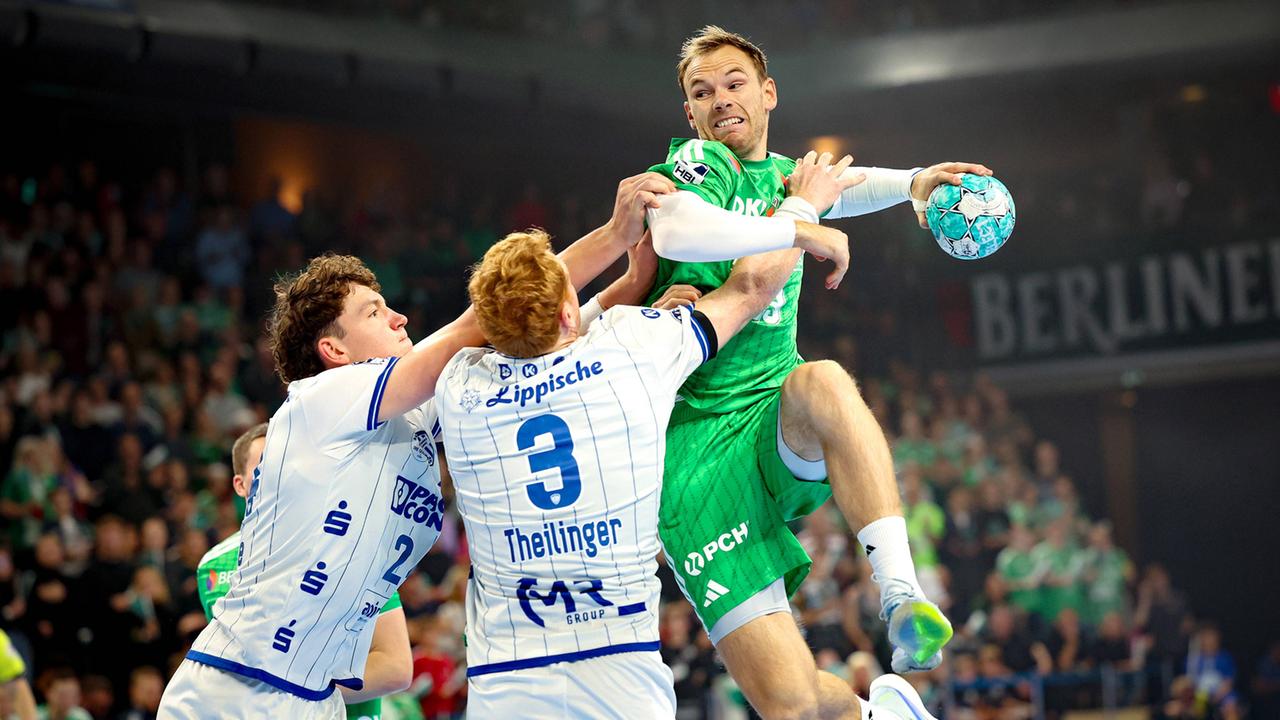
The endgame was a masterclass in nerves. With just 31 seconds remaining on the clock, Lemgo’s Niels Versteijnen delivered the decisive blow, finding the back of the net to put the visitors up 37-35. Despite a desperate final push, the Fuchse could not bridge the gap, ultimately falling 36-37 in a result that will be dissected in the training ground for days to come.
Supporting Data: An Offensive Feast, A Defensive Famine
To understand the loss, one must look at the box score. The total of 36 goals scored by Berlin is, in most circumstances, a winning tally. Under normal conditions, an offense producing 36 goals should secure a victory regardless of the opponent.
- Tim Freihöfer (14 goals): A standout performance, demonstrating his elite finishing ability and composure under pressure.
- Mathias Gidsel (10 goals): Despite the loss, Gidsel continued his campaign as one of the world’s premier playmakers, consistently finding ways to penetrate the Lemgo defense.
- Goalkeeping Disparity: The absence of crucial saves was the primary differentiator. In a game decided by a single goal, the inability of the Berlin keepers to provide the "extra" stop proved fatal.
- Turnovers: The early-game sloppiness and the late-game inability to protect the ball in crunch time were the primary tactical failures of the match.
Official Perspectives and Coaching Analysis
In the immediate aftermath, the mood in the Berlin camp was one of profound disappointment. Coach Nicolej Krickau acknowledged the tactical shortcomings during his post-match assessment. "We allowed them to dictate the pace in the opening minutes, and we never fully regained control of the emotional narrative of the game," Krickau noted. He highlighted that while the offensive output was sufficient, the team lacked the defensive solidity required to stop a team as organized as Lemgo.
From the Lemgo side, the victory was hailed as a benchmark performance. The coaching staff emphasized the importance of defensive discipline and the ability to withstand the pressure of the Max-Schmeling-Halle. For them, the win was a validation of their game plan: forcing the Foxes into high-tempo, chaotic transitions where errors were more likely to occur.
Implications for the Handball-Bundesliga Season
While Fuchse Berlin retains their position as the fourth-ranked team in the league, the loss carries significant weight. In a league as competitive as the HBL, dropping home points to mid-table opposition can be the difference between a championship run and a finish outside the European spots.
The Road Ahead
- Psychological Impact: The Foxes must now prove they can bounce back from a "shock" loss. The mental fortitude of the squad will be tested in their next fixture, where the pressure to perform will be heightened.
- Defensive Reconfiguration: Coach Krickau will likely spend the coming week focusing on defensive drills. The reliance on high-scoring offensive games is not a sustainable model for long-term success if the goal is the title.
- Title Race Dynamics: The result keeps the top of the table congested. Other title contenders will view this loss as an opportunity to gain ground, adding immense pressure to every subsequent round of matches.
Conclusion: A Wake-Up Call
The 36-37 loss to TBV Lemgo Lippe is more than just a notch in the loss column; it is a wake-up call for a team that has set the highest possible standards for itself. The handball season is a marathon, not a sprint, and there is still ample time for Fuchse Berlin to adjust their trajectory. However, the loss serves as a potent reminder that in the Bundesliga, talent alone is never enough. It is the marriage of tactical discipline, consistent goalkeeping, and the ability to execute under pressure that separates the contenders from the champions. For Berlin, the path to redemption begins in the next training session, as they look to turn this frustration into the fuel for a renewed championship push.










