


By International Environmental Desk
October 2, 2026
The summer of 2026 will be remembered not merely as a season of warmth, but as a watershed moment in the climatic history of Europe. According to the latest comprehensive data released by the European Union’s Copernicus Climate Change Service, Western Europe has experienced its most brutal, intense, and sustained heatwave since the onset of reliable meteorological record-keeping. With average temperatures soaring to unprecedented levels, the continent has faced a multi-pronged crisis: extreme heat, catastrophic drought, and a stark escalation in health-related risks that have pushed infrastructure and public health systems to their breaking point.
The Data: A New Baseline for Extremes
The figures released by Copernicus paint a grim picture of the atmospheric shift occurring across the European theater. The average temperature for the summer season in Western Europe reached 21.7 degrees Celsius (71.1 degrees Fahrenheit), a staggering 2.5 degrees Celsius above the long-term average calculated between 1991 and 2020. This milestone officially dethrones the infamous 2003 heatwave, which had long stood as the benchmark for extreme summer heat.
The frequency of these events is perhaps more alarming than the raw averages. In more than 50% of Western Europe, residents experienced 17 days where the mercury surged past the 30-degree Celsius (86-degree Fahrenheit) threshold. To place this in historical context, the previous year saw only seven such days, and even during the record-breaking summer of 2003, there were only eleven.
Furthermore, the heat was not confined to the traditional mid-summer window. Unusual temperature spikes were observed as early as May and persisted well into September, suggesting that the seasonal boundaries of European heatwaves are rapidly expanding.
Chronology of the Crisis
The unfolding of the 2026 heat crisis followed a pattern of escalating volatility:
- Late Spring (May): Unseasonable warmth arrived early, drying out soil moisture levels before the summer peak, setting the stage for the subsequent drought.
- Mid-Summer (June-July): The primary heat dome settled over Western Europe. During this period, the "heat stress" index—a measure of how the body experiences environmental conditions—reached critical levels. Copernicus reported that 52% of the continent was exposed to "very strong" heat stress, defined as a perceived temperature of 38 degrees Celsius (100.4 degrees Fahrenheit) or higher.
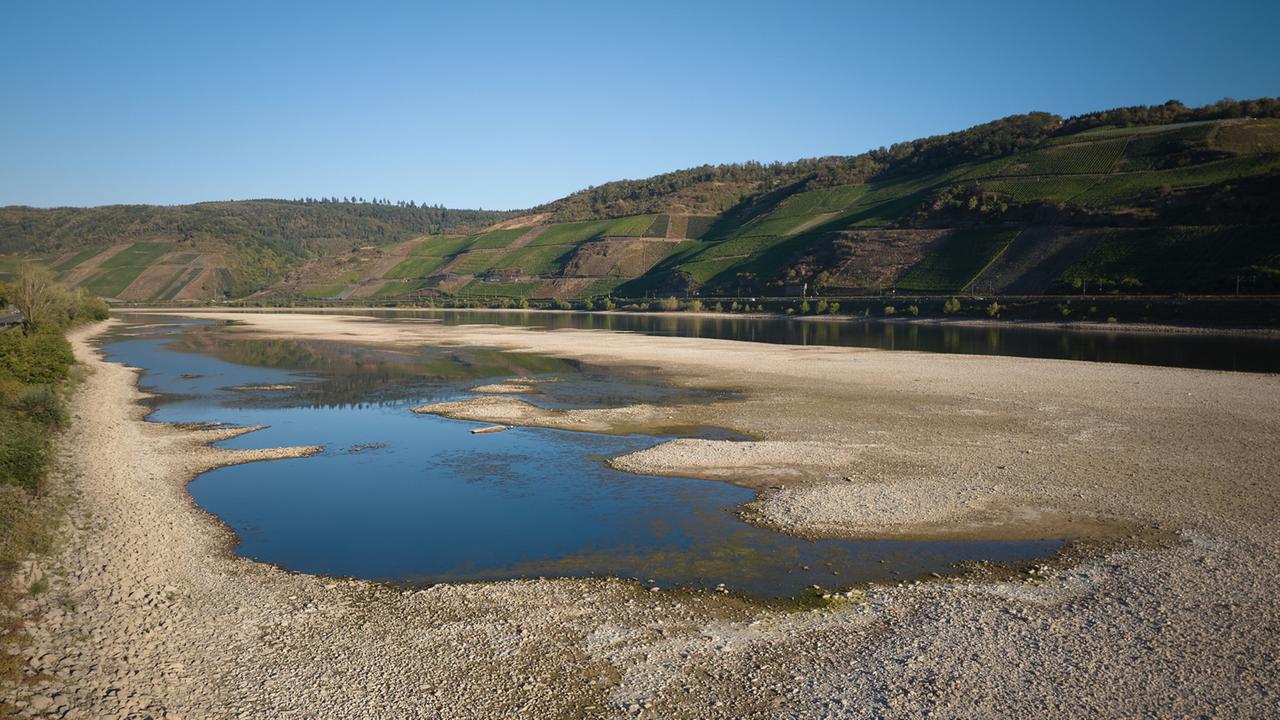
- Late Summer (August): The compounding effects of low rainfall and extreme heat led to a precipitous drop in water levels across major arterial waterways, including the Rhine and the Danube.
- Transition to Autumn (September): Even as the astronomical summer concluded, high temperatures lingered, preventing the typical cooling recovery that usually mitigates the impact of summer heat on ecosystems and agriculture.
The Human Cost: Extreme Health Risks
The public health implications of this summer have been severe. Health experts and climatologists agree that the human body has a finite capacity to cope with sustained high temperatures, particularly when nighttime relief is absent.
"When temperatures remain elevated through the night, the human body cannot recover from the stress of the day," noted public health analysts. With the rise of "tropical nights," where temperatures rarely drop below 20 degrees Celsius, the cumulative burden on the cardiovascular and respiratory systems of the population, particularly the elderly and those with pre-existing conditions, reached critical thresholds.
Preliminary reports indicate that the excess mortality rate during these sustained heatwaves reached tens of thousands of deaths. This has sparked a renewed debate about the adequacy of European "heat action plans," which were largely designed for sporadic heat events rather than the sustained, month-long durations observed in 2026.
Environmental Implications: Parched Earth and Burning Forests
Beyond the immediate human health concerns, the continent’s geography has undergone a physical transformation. The drought, which accompanied the heat, has been described by hydrologists as the most severe since the early 1990s.
The Water Crisis
The Rhine and the Danube, the two most critical commercial waterways in Europe, saw their water levels drop to record lows. This had an immediate impact on the European economy, as inland shipping—a cornerstone of European logistics—was severely disrupted. Cargo vessels were forced to operate at drastically reduced capacities to avoid running aground, leading to supply chain bottlenecks and increased energy costs.
The Fire Threat
The European Forest Fire Information System (EFFIS) reported that by early September, the total area of land incinerated by wildfires within the EU was nearly double the average recorded between 2006 and 2025. The combination of parched vegetation and high winds turned forests into tinderboxes. These fires did not just destroy timber; they impacted biodiversity, destroyed homes, and released vast amounts of carbon into the atmosphere, creating a feedback loop that further accelerates the warming process.
Official Responses and Strategic Shifts
Samantha Burgess, the Lead Climate Strategist at the European Centre for Medium-Range Weather Forecasts (ECMWF), underscored the gravity of the situation. "These overlapping climate extremes serve as a clarion call," Burgess stated. "We are no longer looking at isolated events. We are looking at a system of interconnected risks that require a fundamental shift in our approach to climate resilience."
The European Commission and various national governments are now under intense pressure to move beyond climate adaptation rhetoric and toward systemic infrastructure overhaul. This includes:
- Water Management: Redesigning irrigation and water storage systems to handle long-term drought conditions rather than assuming seasonal replenishment.
- Urban Planning: Implementing "cool city" initiatives, such as increased green canopy cover, heat-reflective building materials, and the redesign of public spaces to mitigate the urban heat island effect.
- Energy Resilience: Decoupling energy production from water-dependent cooling systems, as thermal power plants were forced to throttle output this summer due to high water temperatures and low water availability.
Conclusion: The New Normal?
The 2026 summer data reaffirms a trend that scientists have highlighted for years: Europe is warming faster than any other continent on Earth. The rapid rate of temperature increase in Europe is attributed to a variety of factors, including the continent’s latitude, the warming of the surrounding seas, and land-use changes.
As the continent looks toward the future, the message from the Copernicus findings is unequivocal. The "extraordinary" has become the "expected." Whether European nations can mobilize the political will and financial resources to build a society capable of thriving in this new, volatile climate remains the defining question of the decade. The environmental data from 2026 does not merely record the past; it provides a stark preview of a future that has already arrived.













