By MDR Sachsen Editorial Staff
Last updated: September 27, 2026, 19:59
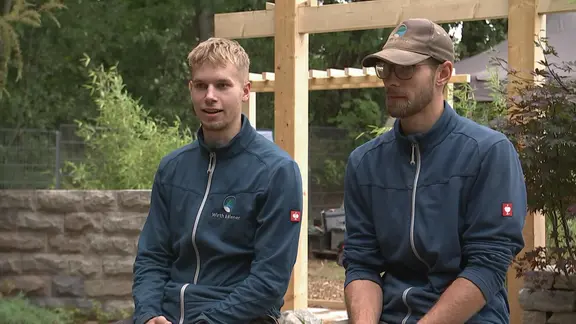
In a spectacular display of vocational excellence, two young landscaping professionals from Chemnitz have returned from the global stage with a prestigious accolade. Marc-Aurel Spalek and Lennard Weitzmann, both apprentices at the Chemnitz-based firm Wirth & Wiener, secured the bronze medal in the "Landscape Gardening" category at the WorldSkills competition in Shanghai. This achievement marks a significant milestone for both the young tradesmen and the German dual education system, proving that German vocational training remains among the best in the world.
The Pinnacle of Vocational Excellence
The WorldSkills competition, often referred to as the "Olympics of Skills," serves as the premier global platform for vocational excellence. Held this year in the bustling metropolis of Shanghai, the event brought together approximately 1,500 of the world’s most talented young professionals, representing nearly 70 countries and regions. These competitors were tasked with proving their mastery in their respective crafts under intense scrutiny, time pressure, and the watchful eyes of international experts.
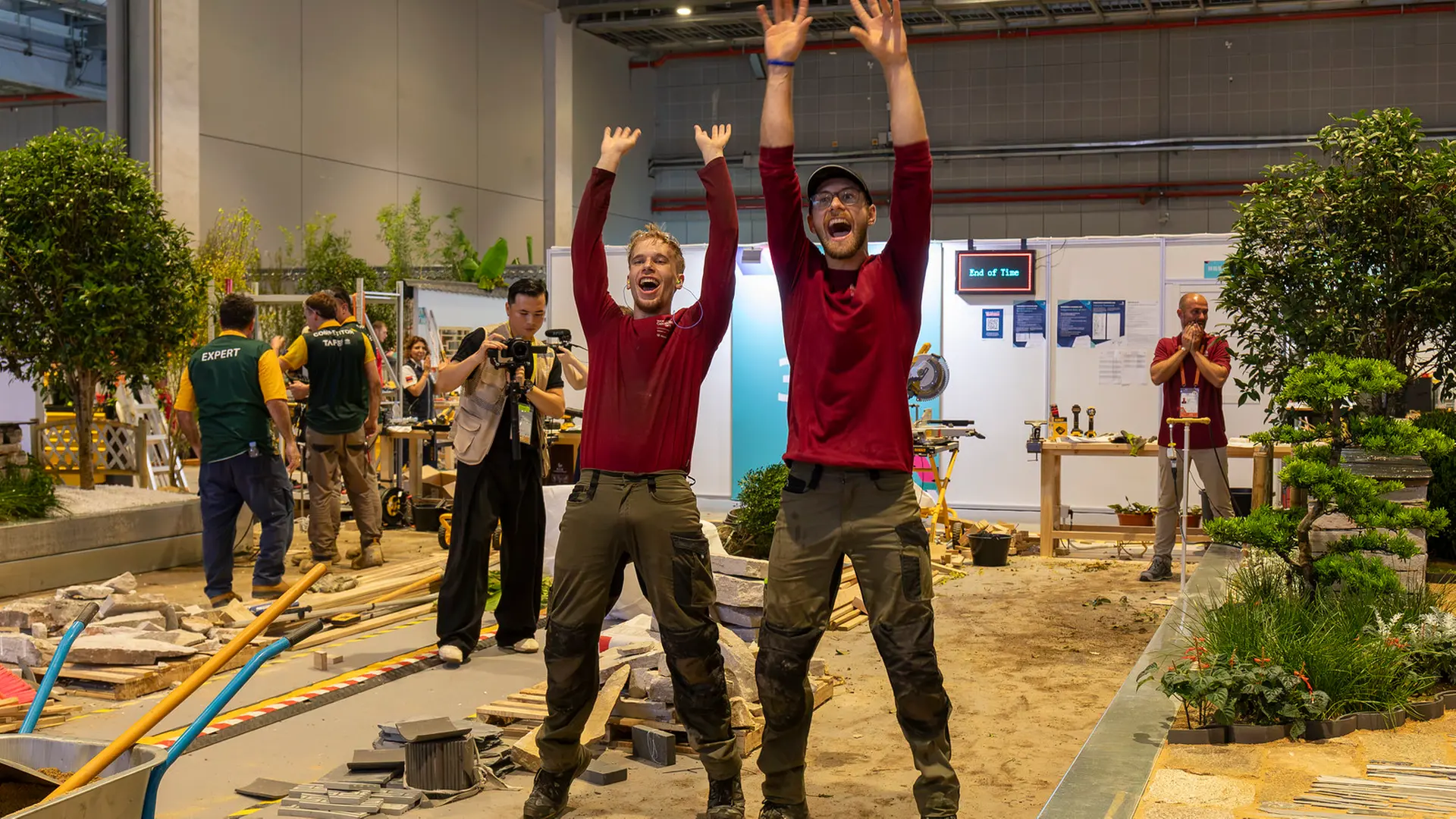
For Spalek and Weitzmann, the journey to the podium in China began long before they touched down in Shanghai. Having proven their mettle by winning the German Landscape Gardener Cup, the duo earned the right to represent their nation. Their success is not merely a personal triumph but a testament to the rigorous, high-quality training provided by their employer, Wirth & Wiener, and the standardized vocational curriculum in Saxony.
Chronology of the Competition: Four Days of Precision
The landscape gardening competition is notoriously demanding. It requires more than just physical stamina; it requires an intricate understanding of design, engineering, and horticulture. The competition structure was designed to simulate a high-pressure, real-world project, forcing participants to navigate complex spatial constraints and technical specifications over four grueling days.
Day 1: Laying the Foundation
The competition kicked off with the essential groundwork—the "bones" of the garden. Teams were tasked with interpreting architectural blueprints and setting out the site. Precision was paramount, as errors made in the initial phase would cascade into significant issues later on. The Chemnitz team demonstrated exceptional spatial awareness, ensuring that the elevations and drainage systems were perfectly aligned with the project specifications.
Day 2: Structural Integration
The second day shifted focus to hardscaping. This involved the precise cutting and laying of stone, the construction of retaining walls, and the installation of complex paths. The judges evaluated the teams on the consistency of joint patterns, the structural integrity of the masonry, and the efficiency of their workflow. Spalek and Weitzmann’s ability to coordinate their movements under pressure allowed them to stay ahead of the clock while maintaining the exacting standards of German craft.
Day 3: Horticultural Artistry
With the hardscaping completed, the third day was dedicated to the aesthetic heart of the project: planting. This required extensive botanical knowledge, as the participants had to ensure that the chosen flora was suited to the specific micro-climates created by the structural elements they had built. The aesthetic arrangement, color harmony, and health of the plants were the primary focus of the judging panel during this phase.
Day 4: Final Detailing and Review
The final day was a race against time for finishing touches. From cleaning the stone surfaces to mulching, installing irrigation features, and conducting a final quality check, the teams were evaluated on their "attention to detail." This phase often separates the top-tier contenders from the rest of the pack, as the judges look for the smallest imperfections. By the time the final whistle blew, the duo from Chemnitz had presented a garden that balanced technical complexity with visual elegance.

Supporting Data: The Scale of the Achievement
To understand the significance of this bronze medal, one must look at the sheer scale of the WorldSkills competition. With 1,500 participants and 70 participating nations, the competition is a melting pot of diverse techniques and philosophies.
The "Landscape Gardening" category is consistently one of the most popular and fiercely contested sectors. Unlike many other trades that take place in climate-controlled indoor settings, landscape gardening is subject to the elements. The competition organizers in Shanghai maintained a rigorous judging rubric, weighing factors such as:
- Accuracy: Deviations from the blueprint, measured in millimeters.
- Efficiency: Management of materials and waste reduction.
- Safety: Adherence to international occupational health and safety protocols.
- Aesthetics: The visual impact and harmony of the finished installation.
By achieving a podium finish, Spalek and Weitzmann have demonstrated that they are in the top 0.1% of their field globally.

Official Responses and Local Pride
Back in Chemnitz, the atmosphere at the Wirth & Wiener offices has been one of intense pride and celebration. For a regional medium-sized enterprise, having apprentices reach the world stage is the ultimate validation of their internal training programs.
"We have been following their progress from the very first day of the competition," said a spokesperson for Wirth & Wiener. "The team at the office has been glued to the live updates and the social media feeds. When the news of the bronze medal arrived, the entire company celebrated. These young men have shown that passion and precision are universal languages."
The company released a short video on their Instagram channel, capturing the raw emotion of the two young gardeners as they received the news in the Shanghai arena. The video went viral among local landscaping professionals and industry peers, serving as a beacon of inspiration for the next generation of German apprentices.

Implications for the Industry
The success of the Chemnitz duo carries several broader implications for the German vocational landscape:
1. Strengthening the "Dual" System
The German dual education system—which combines classroom instruction with on-the-job training—is often cited as a global gold standard. However, it faces ongoing challenges, including a perception among some students that university education is the only path to success. The WorldSkills success of Spalek and Weitzmann acts as a powerful marketing tool for the trade, proving that a career in landscaping is not only essential but offers a path to international recognition and achievement.
2. Promoting Green Careers
As urbanization increases and climate change forces cities to reconsider their green spaces, the role of the landscape architect and the professional landscaper is becoming increasingly vital. The skills displayed in Shanghai—such as sustainable water management, carbon-sequestration planting, and the use of eco-friendly materials—are exactly what the industry needs to solve the challenges of the 21st century.

3. Economic Impact on the Region
For the city of Chemnitz, this win is a point of pride. It highlights the region’s commitment to fostering high-skilled talent. It also enhances the reputation of local businesses like Wirth & Wiener, who are now recognized as elite trainers on the world stage. This, in turn, can help attract more young people to the region, eager to learn from the best in the business.
Looking Ahead: The Future of the Champions
For Marc-Aurel Spalek and Lennard Weitzmann, the bronze medal is not a finish line but a stepping stone. Having competed at the highest level, they return to Saxony with a wealth of experience, international connections, and a refined set of skills that will undoubtedly elevate their work as they transition from apprentices to full-time professionals.
The WorldSkills competition will continue to evolve, and the success of these two young men sets a high bar for the next cycle of competitors. As they settle back into their roles at Wirth & Wiener, they carry the distinction of being world-class craftsmen, representing the pinnacle of what hard work, dedication, and high-quality training can achieve.

The triumph in Shanghai is a reminder that even in an increasingly digital world, the ability to shape the physical environment with one’s own hands remains a fundamental and highly celebrated human achievement. The "Gartenprofis" from Chemnitz have proven that with the right foundation, they can take on the world—and succeed.