By Global Science Desk
As the global climate enters a period of unprecedented volatility, a new, sobering report from the Climate Impact Lab has sounded an alarm that transcends mere environmental statistics. According to the research, which incorporates data from the University of Chicago and the University of California, Berkeley, the ongoing El Niño phenomenon is projected to cause approximately 450,000 additional heat-related deaths worldwide by the end of February 2027.
This staggering figure represents only the excess mortality directly attributable to extreme heat. It does not account for the secondary, often deadlier, ripple effects of El Niño, such as catastrophic wildfires, severe flooding, and the widespread crop failures that trigger humanitarian crises. As the world watches temperatures climb, the scientific community is warning that we are entering a phase of climatic upheaval that could redefine public health challenges for the next decade.
The Anatomy of a Climate Crisis
What is El Niño?
El Niño is a periodic climate pattern characterized by the warming of surface waters in the central and eastern Pacific Ocean. Occurring, on average, every four years, this phenomenon disrupts global atmospheric circulation. The resulting shifts in trade winds and ocean currents act as a global thermal engine, triggering a cascade of meteorological extremes.
While the world is accustomed to the cyclical nature of El Niño, the current iteration is distinct. Meteorologists are monitoring the development of a "Super El Niño"—an event of such magnitude that it threatens to eclipse all records since the beginning of modern scientific observations. The current season commenced earlier and with far greater intensity than historical models predicted, with the atmospheric and oceanic feedback loops suggesting that the most severe impacts are yet to come during the upcoming autumn and winter months.

Methodology: Measuring the Human Toll
The projections released by the Climate Impact Lab are not merely speculative; they are the result of rigorous statistical modeling. The research team calculated the mortality toll by cross-referencing regional vulnerability indices against predicted temperature anomalies. By comparing these figures to the baseline mortality rates observed over the past three decades, researchers established a clear delta—the "excess" deaths directly tied to the abnormal thermal stress of this specific El Niño event. The timeframe of this analysis covers June 2026 through February 2027, highlighting a compressed period of extreme risk.
A Global Chronology of Escalating Heat
The trajectory of this climate event is best understood through its impact across different temporal stages.
- Early 2026 (The Onset): Initial reports from tropical regions indicated an unseasonable warming trend. Early-season heatwaves in Southeast Asia and parts of South America served as the first indicators of an accelerated cycle.
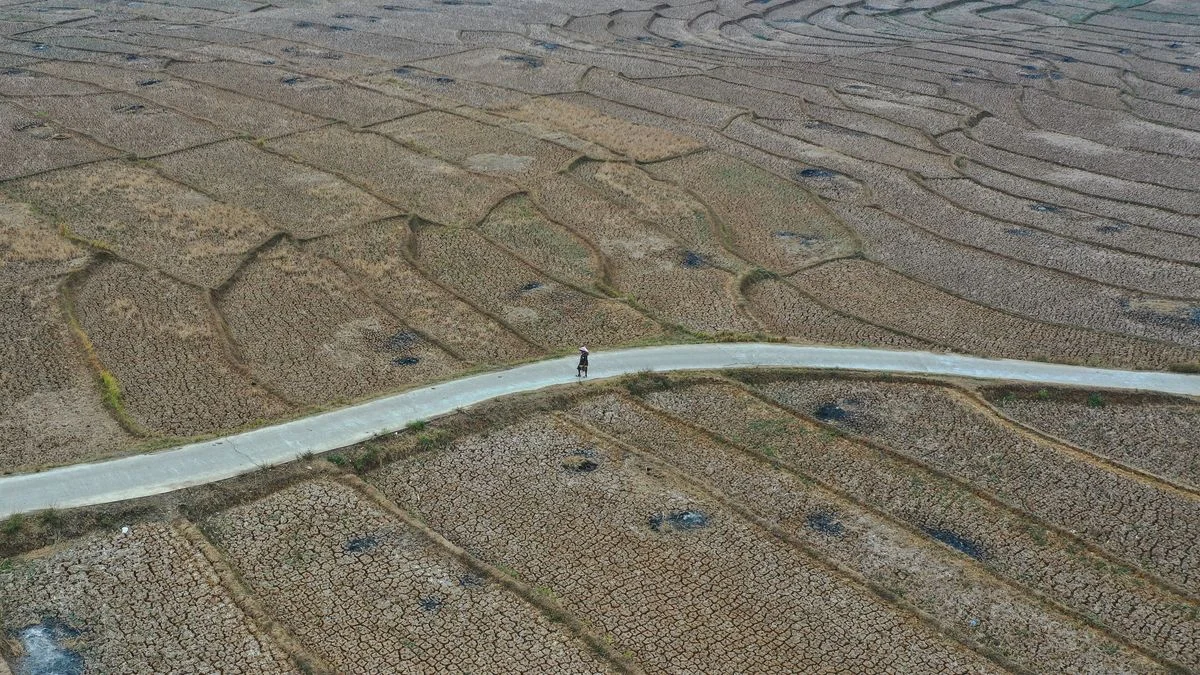
- Summer 2026 (The Acceleration): As the event gained momentum, the focus shifted to the Sahel region of Africa. Droughts began to strip the landscape of moisture, creating a feedback loop where dry soil exacerbated surface temperatures.
- Autumn/Winter 2026–2027 (The Peak): Current climate models indicate that the "Super El Niño" will reach its maximum intensity during these months. This is the period when the 450,000-death projection is most heavily concentrated. The combination of sustained, record-breaking temperatures during what should be cooler months poses a critical risk to elderly populations and outdoor laborers.
Regional Vulnerability: The Global South at the Epicenter
The report highlights a cruel irony of the climate crisis: the regions least responsible for historical carbon emissions are those bearing the brunt of the mortality burden.
The Sahel and Nigeria
The Sahel zone is identified as the most critically endangered region, with a projected 67,000 excess heat-related deaths. Nigeria, in particular, is singled out as a focal point of the crisis. With a rapidly growing population and infrastructure that is not yet optimized for extreme heat mitigation, the socio-economic impact of this death toll threatens to destabilize local public health systems.
Asia-Pacific and South America
Southeast Asian nations, including Thailand, Vietnam, the Philippines, and Indonesia, are experiencing extreme thermal stress. In these regions, high humidity combined with high temperatures creates "wet-bulb" conditions, where the human body’s ability to regulate temperature through sweating is compromised, making even short-term exposure to the elements lethal. In South America, Brazil stands at the center of the crisis, as the interplay between deforestation and El Niño-induced drought creates a dangerous thermal environment across the Amazon basin and urban centers alike.

Official Responses and Strategic Mitigation
The release of the report has spurred a debate among policymakers regarding the necessity of immediate, localized intervention. Michael Greenstone, a lead author from the University of Chicago, emphasized that the data is not just a warning, but a roadmap for survival.
Essential Public Health Measures
The Climate Impact Lab recommends a multi-tiered approach to mitigate the loss of life:
- Early Warning Systems: Integrating meteorological data with public health alerts to notify vulnerable populations hours or days before a heat spike.
- Cooling Infrastructure: Establishing "cooling centers"—public spaces equipped with power and air conditioning—to provide refuge for those without home climate control.
- Water Access: Implementing emergency drinking water distribution programs in drought-stricken areas to prevent dehydration and heatstroke.
- Labor Protections: Mandatory work-stoppage protocols for outdoor industries during peak heat hours, ensuring that agricultural and construction workers are not forced to endure lethal conditions.
Implications: A New Era of Climate Risk
The findings of this report serve as a pivot point in the climate debate. For years, the scientific community was cautious about directly linking individual weather events to the broader trend of anthropogenic climate change. However, the intensity of this Super El Niño, coupled with the projected mortality figures, is forcing a shift in that narrative.
The Economic and Moral Cost
Beyond the immediate humanitarian tragedy, the economic implications are staggering. Experts estimate that the combined damage from the current El Niño—ranging from agricultural losses to infrastructure destruction—could reach into the trillions of dollars. When the loss of human capital is factored in, the "cost of inaction" becomes impossible to ignore.
The Link to the Climate Crisis
The burning question remains: Is this the "new normal"? While El Niño is a natural phenomenon, the scientific consensus is shifting toward the idea that the climate crisis is acting as a "force multiplier." By elevating the baseline temperature of the planet, climate change ensures that every El Niño cycle begins from a higher starting point, making each subsequent event more lethal than the last.

As the international community grapples with these findings, the report serves as a somber reminder that the climate crisis is no longer a future threat to be managed by the next generation. It is a present-day reality claiming lives in real-time. The window for implementing life-saving measures is narrow, and as Dr. Greenstone noted, the actions taken in the next few months will determine whether we can prevent a preventable tragedy of unprecedented scale.
The data provided by the Climate Impact Lab is clear: the heat is coming, the trajectory is set, and the world’s ability to respond to this humanitarian challenge will define the effectiveness of global climate governance for years to come.