

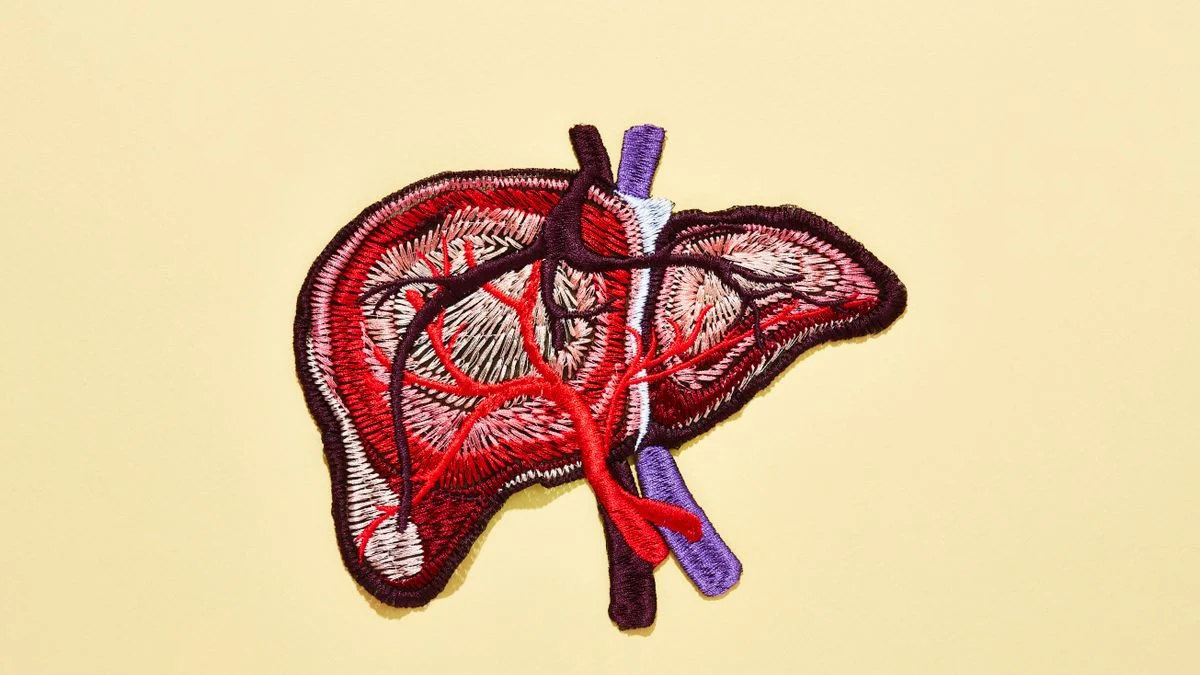
When we hear the term "liver disease," our minds often instinctively jump to specific stereotypes: the chronic heavy drinker or the individual struggling with significant obesity. For decades, the public narrative has framed liver damage as a consequence of extreme lifestyle choices—a moralizing view that has masked a far more insidious and widespread reality.
The truth, according to leading medical experts, is that the liver is currently facing a quiet crisis that respects neither social status, age, nor physical appearance. Today, an estimated one in three people worldwide is living with a fatty liver. In Germany, the figure stands at roughly one in four. The most alarming aspect of this health crisis is its invisibility; many affected individuals remain completely unaware of their condition until the organ has already begun to suffer from permanent inflammatory and scarring processes.
The Invisible Threat: Understanding Fatty Liver Disease
The liver is arguably the most resilient organ in the human body. As Münevver Demir, a specialist in hepatology at the renowned Charité Berlin, explains, the liver is a "master of regeneration." It is designed to filter toxins, process nutrients, and regulate metabolism with incredible efficiency. However, even this biological powerhouse has its breaking point.
Modern living has introduced a constant, overwhelming supply of refined sugars, processed snacks, and low-quality fats into our daily diets. When the liver is perpetually flooded with these substances, it struggles to process the excess energy. Instead of burning it, the organ begins to store it as fat.
"The liver is a master of regeneration," Demir emphasizes, "but a permanent oversupply of sugar, snacks, and unhealthy fats causes the organ to become diseased." While the early stages of fatty liver disease are often reversible, the progression can be lethal if left unchecked. In the worst-case scenarios, chronic inflammation leads to fibrosis—the scarring of liver tissue—which can eventually culminate in liver cirrhosis and total organ failure.
A Chronology of the Condition: From Silent Accumulation to Systemic Failure
To understand the severity of the situation, it is necessary to track how the condition develops. It is rarely an overnight transformation; rather, it is a gradual erosion of health that often goes unnoticed for years.
Phase 1: The Asymptomatic Accumulation
In the initial stages, the liver begins to accumulate excess fat deposits. During this period, most patients experience zero symptoms. There is no pain, no jaundice, and no obvious fatigue. Because the liver lacks pain receptors, it can continue to function while being significantly compromised.
Phase 2: Steatohepatitis (Inflammation)
When the fat accumulation triggers an immune response, the liver becomes inflamed. This is the stage known as Non-Alcoholic Steatohepatitis (NASH). The liver is now actively fighting against the stress placed upon it by the body’s metabolic state. Even here, many people still feel "healthy," masking the internal damage through a veneer of normal blood panels.
Phase 3: Fibrosis and Scarring
As the inflammation persists, the liver cells die and are replaced by fibrous, scar-like tissue. This is the body’s attempt to "heal," but it ironically prevents the organ from functioning correctly. The liver begins to harden, reducing its ability to filter blood effectively.
Phase 4: Cirrhosis and End-Stage Failure
In the final stages, the liver is so riddled with scar tissue that it can no longer perform its vital life-sustaining functions. At this point, the damage is often irreversible, and the patient may face severe complications, including internal bleeding, fluid buildup in the abdomen, and hepatic encephalopathy.
Supporting Data: Why "Thin" Doesn’t Mean "Healthy"
One of the most dangerous myths surrounding liver health is that if you are slim, you are safe. Medical data consistently debunks this. "Lean" fatty liver disease is a growing phenomenon. Individuals who appear thin on the outside may carry "visceral fat"—fat that surrounds the internal organs rather than just the subcutaneous fat found under the skin.
This visceral fat is metabolically active and highly inflammatory. It releases fatty acids directly into the portal vein, which carries blood straight to the liver. Consequently, a person with a "normal" BMI may still suffer from a fatty liver if their diet is high in fructose and ultra-processed foods.

Data from global health organizations suggests that as rates of metabolic syndrome rise, so too does the incidence of fatty liver. The correlation between sedentary lifestyles, the consumption of high-fructose corn syrup, and the rising prevalence of liver disease is now statistically undeniable.
Clinical Perspectives: Expert Insights from the Frontlines
Münevver Demir’s work at the Charité is part of a broader effort to rebrand liver disease as a "Volkskrankheit"—a widespread disease of the population. The medical community is shifting its focus from reactive treatment to proactive screening and education.
"We have to stop thinking of liver disease as a ‘drinking problem,’" experts argue. While alcohol is a significant factor in liver damage, the sheer volume of patients presenting with non-alcoholic fatty liver disease (NAFLD) suggests that our dietary environment is the primary driver.
In her professional capacity, Demir emphasizes that while the situation is dire, it is not hopeless. "There are measures we can take to counteract this process and heal our liver ourselves," she notes. This typically involves a "triple-threat" approach to lifestyle modification:
- Dietary Overhaul: Reducing added sugars (especially fructose) and processed carbohydrates.
- Increased Physical Activity: Regular movement helps the body process stored fat and improves insulin sensitivity.
- Alcohol Moderation: While not everyone must abstain completely, alcohol places an additional burden on an already stressed liver.
Implications for Public Health
The rise of fatty liver disease has profound implications for public healthcare systems. As more people progress to cirrhosis and liver failure, the demand for hepatology services and liver transplants will grow. If the current trend continues, the economic burden on society—in terms of both healthcare costs and lost productivity—will be massive.
Public policy, therefore, must evolve. Just as we have public health campaigns for smoking cessation and heart health, there is an urgent need for awareness campaigns regarding liver health. Nutrition labeling, the regulation of sugar content in processed foods, and the promotion of metabolic screening in routine check-ups are essential steps in turning the tide.
Taking Control: What You Can Do
The empowerment of the individual is central to preventing the escalation of liver disease. Because the liver has such high regenerative capacity, it is one of the few organs that can genuinely "heal" if given the right environment.
If you are concerned about your liver health, the first step is a consultation with a primary care physician. Simple blood tests for liver enzymes (such as ALT and AST) and ultrasound imaging can often provide a clear picture of the liver’s condition.
For those interested in a deeper dive into the mechanics of liver health, preventative strategies, and the truth about lifestyle impacts, experts like Münevver Demir provide essential guidance. Her contributions to the SPIEGEL podcast "Smarter leben" explore these nuances, answering the burning questions: How do we recognize a fatty liver early? Is total abstinence from alcohol required? How can we change our habits without succumbing to the pressure of fad diets?
Conclusion
The "silent" nature of fatty liver disease is its most dangerous weapon. By the time it "speaks" through symptoms, the damage is often advanced. However, by acknowledging the reality that this is a widespread, diet-driven condition that can affect anyone, we can shift the narrative. Awareness is the first step toward prevention. Through conscious eating, active living, and regular medical check-ups, we can protect the master of regeneration and ensure our liver continues to support our health for a lifetime.
For those seeking more information or looking to improve their daily habits, the "Smarter leben" podcast provides a wealth of expert-led insights. Listeners are encouraged to subscribe via their preferred podcast app or visit the archive to explore previous episodes on wellness, nutrition, and holistic health.

























