

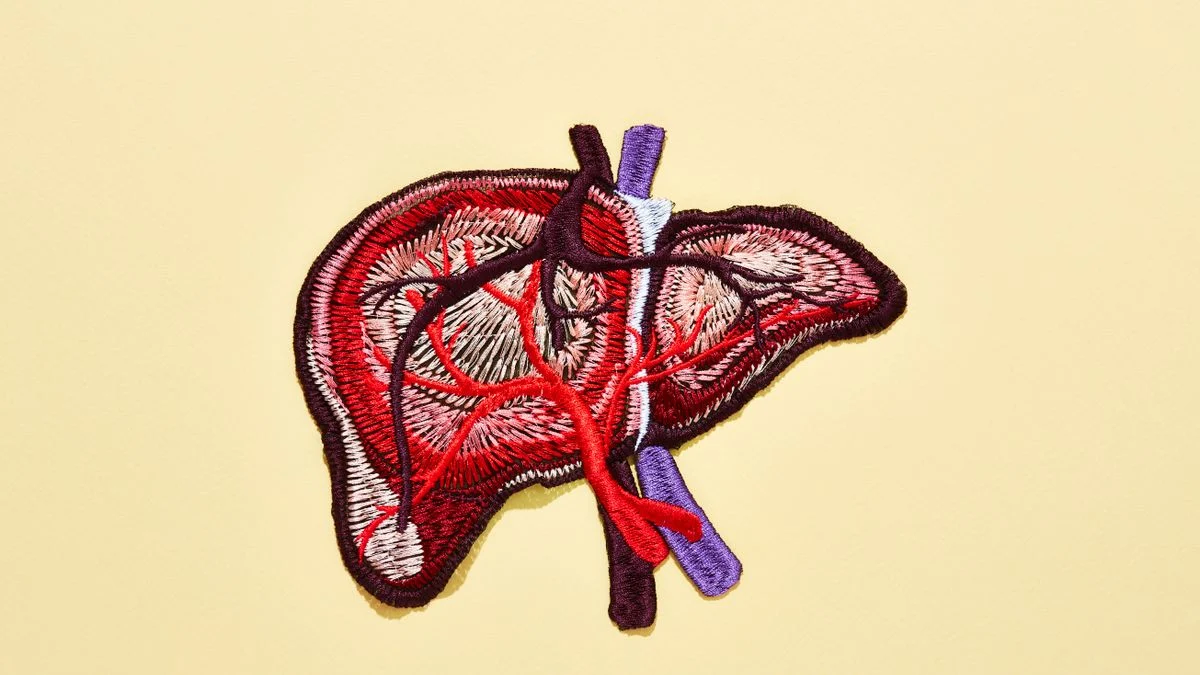
When most of us consider the primary drivers of liver disease, our minds instinctively drift toward well-worn stereotypes: the heavy drinker or the individual struggling with clinical obesity. These associations, while grounded in medical reality, have created a dangerous blind spot in public health perception. The truth is far more insidious. Liver disease does not discriminate based on weight, social status, or lifestyle choices, and a significant portion of the population is walking around with a damaged organ while appearing—and feeling—entirely healthy.
Globally, it is estimated that one in three people suffers from a fatty liver. In Germany, the statistics are equally sobering, with approximately one in four citizens affected. The central tragedy of this condition is its "silent" progression; many patients remain asymptomatic until the liver has already undergone irreversible inflammatory and scarring processes.
Main Facts: The Anatomy of a Modern Crisis
The liver is the body’s metabolic powerhouse, a resilient, multi-functional organ responsible for filtering toxins, managing energy storage, and regulating blood sugar. However, its reputation for being a "master of regeneration" has become a double-edged sword. Because the liver can absorb significant abuse before showing outward signs of failure, many people neglect their liver health until they reach a crisis point.
A "fatty liver" occurs when fat accumulates in liver cells, often as a result of metabolic imbalances. While alcohol-related liver disease is a well-documented issue, non-alcoholic fatty liver disease (NAFLD) has surged, driven by the modern diet. Münevver Demir, a specialist in hepatology at Berlin’s Charité hospital, characterizes the fatty liver as a true "volkskrankheit"—a widespread disease of the people.
"The liver is a master of regeneration, yes," Dr. Demir explains. "But a permanent, excessive supply of sugar, processed snacks, and poor-quality fats causes the organ to fall ill." When the liver is constantly inundated with more energy than it can process, it begins to store that excess as fat. Over time, this fat acts as a chronic irritant, triggering inflammation (steatohepatitis), which can eventually lead to fibrosis (scarring) and, in the most severe cases, liver cirrhosis or total organ failure.
Chronology of a Silent Decline
The progression of liver disease is rarely a sudden event. It is a slow, methodical decline that spans years, if not decades.
- The Accumulation Phase: Initially, the liver begins to accumulate triglycerides. At this stage, there are virtually no symptoms. Blood tests might appear normal, and the patient may feel perfectly healthy.
- The Inflammatory Stage: As the fat buildup persists, the liver tissue becomes inflamed. This is the stage where the organ begins to struggle with its metabolic functions, though the patient often remains unaware of the internal battle.
- The Fibrotic Shift: Chronic inflammation leads to the development of scar tissue. The liver loses its suppleness and its ability to regenerate effectively.
- Cirrhosis and Failure: Eventually, the healthy tissue is largely replaced by dense, non-functional scar tissue. At this stage, the liver can no longer perform its essential life-sustaining tasks, leading to systemic health complications, including jaundice, fluid retention, and cognitive impairment.
Supporting Data and the "Thin" Patient Paradox
One of the most counterintuitive findings in modern hepatology is the prevalence of fatty liver disease among "lean" individuals. Often referred to as "Lean NAFLD," this phenomenon highlights that visceral fat—the fat stored deep inside the abdomen, surrounding the organs—is a far more dangerous marker of health than subcutaneous fat (the fat we can pinch under our skin).
Data suggests that individuals who may look slender but possess a high "visceral fat-to-muscle ratio" are at a higher risk of developing metabolic complications, including fatty liver. This challenges the public health narrative that BMI is the definitive metric for metabolic health.
Furthermore, the ubiquity of refined carbohydrates and high-fructose corn syrup in the Western diet has created a "perfect storm" for the liver. Fructose, in particular, is metabolized almost exclusively in the liver, meaning that high consumption directly taxes the organ in a way that glucose does not. When the liver is overwhelmed, it converts this surplus into fat, effectively "clogging" its own machinery.

Official Perspectives: The Path to Recovery
Dr. Münevver Demir emphasizes that while the situation is dire for millions, it is not hopeless. "There are measures we can take to counteract this process and heal our livers ourselves," she notes.
The "cure" for a fatty liver is rarely found in a pharmacy. Instead, it requires a fundamental shift in lifestyle. The liver is remarkably capable of repair if the source of the metabolic stress is removed. Key interventions include:
- Sugar Reduction: Eliminating liquid sugars (sodas, sweetened juices) and reducing processed fructose is the most effective way to stop the inflow of fat to the liver.
- The Power of Movement: Regular physical activity, even in the absence of weight loss, improves the liver’s insulin sensitivity, helping it process fats and sugars more efficiently.
- Alcohol Moderation: While alcohol is not the sole cause of fatty liver, it adds a massive toxic burden to an already stressed organ. For those with existing fatty liver, periods of total abstinence are often recommended to allow the organ to recover.
- Whole Food Integration: Transitioning to a Mediterranean-style diet—rich in fiber, healthy fats like olive oil, and leafy greens—provides the liver with the nutrients it needs to manage its complex chemical tasks.
Implications for Public Health
The rise of the fatty liver is an indictment of the modern, hyper-processed food environment. The fact that one in four Germans is affected suggests that this is not merely an individual failing, but a structural crisis.
If healthcare systems continue to treat the symptoms of liver failure (such as diabetes, cardiovascular disease, and hypertension) without addressing the root cause—the health of the liver itself—we will continue to see an increase in terminal cases. The implication is clear: we need to move toward early screening protocols. Currently, most people only discover they have a fatty liver when they are admitted to the hospital for an unrelated check-up or when the disease has already progressed to a dangerous stage.
Routine ultrasound screenings for individuals with metabolic risk factors (even if they appear "thin") could save countless lives. Education is the first line of defense. By understanding the link between the sugar-heavy "grab-and-go" culture and the health of our internal organs, the public can begin to make more informed, protective choices.
Beyond the Diagnosis
As discussed in the SPIEGEL podcast "Smarter leben," the conversation around liver health needs to be normalized. It should not be a topic of shame or judgment, but rather a standard component of preventative medicine.
Münevver Demir’s message is one of empowerment. She argues that the liver is an incredibly forgiving organ. If we stop the cycle of over-nutrition and chronic inflammation, the liver can often reverse the damage. However, this requires a conscious departure from the dietary habits that have become the "new normal" in the 21st century.
As we look toward the future of metabolic health, the liver stands as the primary indicator of our long-term vitality. It is time to stop viewing it as a silent bystander and start treating it with the care it deserves. Whether it is through the conscious reduction of late-night snacks or the commitment to a more active lifestyle, the power to heal the liver starts with the choices we make today—well before the doctor delivers a diagnosis that we cannot reverse.
For those interested in exploring this topic further, Münevver Demir’s insights are available in her latest work. You can also listen to the full discussion on the "Smarter leben" podcast, where she breaks down the myths and realities of liver health for the everyday listener. The "Smarter leben" podcast, hosted by Lenne Kaffka, continues to offer practical advice for those looking to navigate the complexities of modern living with a more conscious approach to their health.
























