As the summer travel season approaches, millions of tourists across Europe are finalizing their itineraries, with historic cathedrals and grand basilicas often topping the list of "must-see" destinations. However, the experience of stepping inside these architectural marvels is undergoing a quiet, yet significant, shift. In Germany, the announcement that the Cologne Cathedral—a UNESCO World Heritage site and one of the world’s most visited landmarks—plans to implement an entry fee starting in July 2026 has sparked a fierce national debate.
While the Cologne proposal has dominated headlines, the reality of the German church landscape is far more nuanced. From the centuries-old tradition of the Freiberg Cathedral to the "open door" policy of the Dresden Frauenkirche, the nation is currently grappling with a fundamental question: Should a house of God be a sanctuary for all, or a self-sustaining institution in an age of rising maintenance costs and dwindling congregations?
The Main Facts: A Shift in Paradigms
The core of the current controversy lies in the financial sustainability of Germany’s vast cultural and religious heritage. Historically, German cathedrals were funded through a combination of state subsidies, church taxes paid by registered members, and private donations. However, the economic climate has shifted. Inflation, skyrocketing energy costs, and the need for constant, specialized restoration work on aging masonry have placed immense pressure on parish budgets.
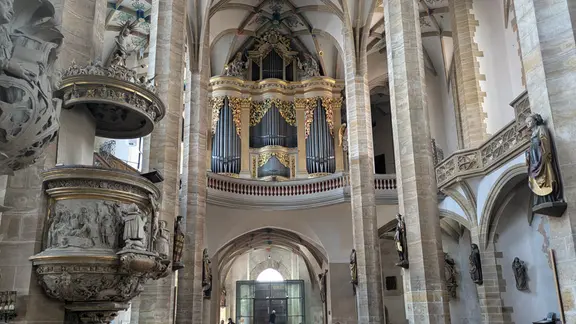
In Freiberg, the Dom St. Marien has long been an outlier in its approach. Unlike many churches that rely on the "goodwill" of visitors, the Freiberg Cathedral has charged an entry fee since the late 1980s—a practice that began during the era of the German Democratic Republic (GDR). Today, a five-euro ticket grants visitors access to the cathedral’s famous Silbermann organ and its intricate architecture. Unlike the volatile reaction seen in Cologne, the Freiberg model has gained a measure of social acceptance. Tourists and local visitors alike have largely come to view the fee as a necessary "entry tax" for the preservation of a national monument.
Chronology: From Sanctuary to Managed Tourism
The history of church entry fees in Germany is not a sudden invention but a long, slow evolution driven by necessity:
- 1989 and Before: The Freiberg Cathedral implements its entry fee system, a rare practice at the time, to maintain the structural integrity of the building under the limited resources of the East German state.
- The Early 2000s: Following the reconstruction of the Dresden Frauenkirche, the church establishes itself as a beacon of reconciliation. It adopts a strict "open door" policy, rejecting entry fees in favor of a donation-based model.
- 2015–2023: Across Germany, rising operational costs, including electricity, heating, and labor, begin to outpace the growth of church tax revenues, which are falling due to the shrinking number of registered church members.
- 2024: The Archdiocese of Cologne announces its intention to introduce entry fees by July 2026, triggering a nationwide debate on the ethics of charging for access to a place of worship.
- 2026 (Projected): The implementation of the Cologne Cathedral fee marks a potential turning point, signaling a shift where major German tourist cathedrals may move toward a mandatory ticketed model to ensure survival.
Supporting Data: The Financial Burden of Heritage
The economics of maintaining a medieval cathedral are staggering. In Freiberg, the five-euro entry fee is not merely a profit-seeking venture; it is a lifeline. With approximately 33,000 visitors annually, the site generates over 160,000 euros. These funds are immediately funneled back into the building: energy bills, specialized restoration work on stone facades, and the wages of professional church guides who provide context to the art and history within.
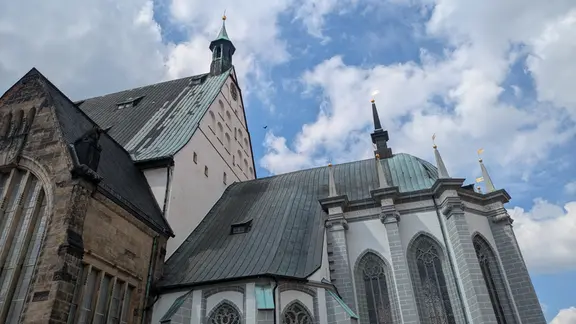
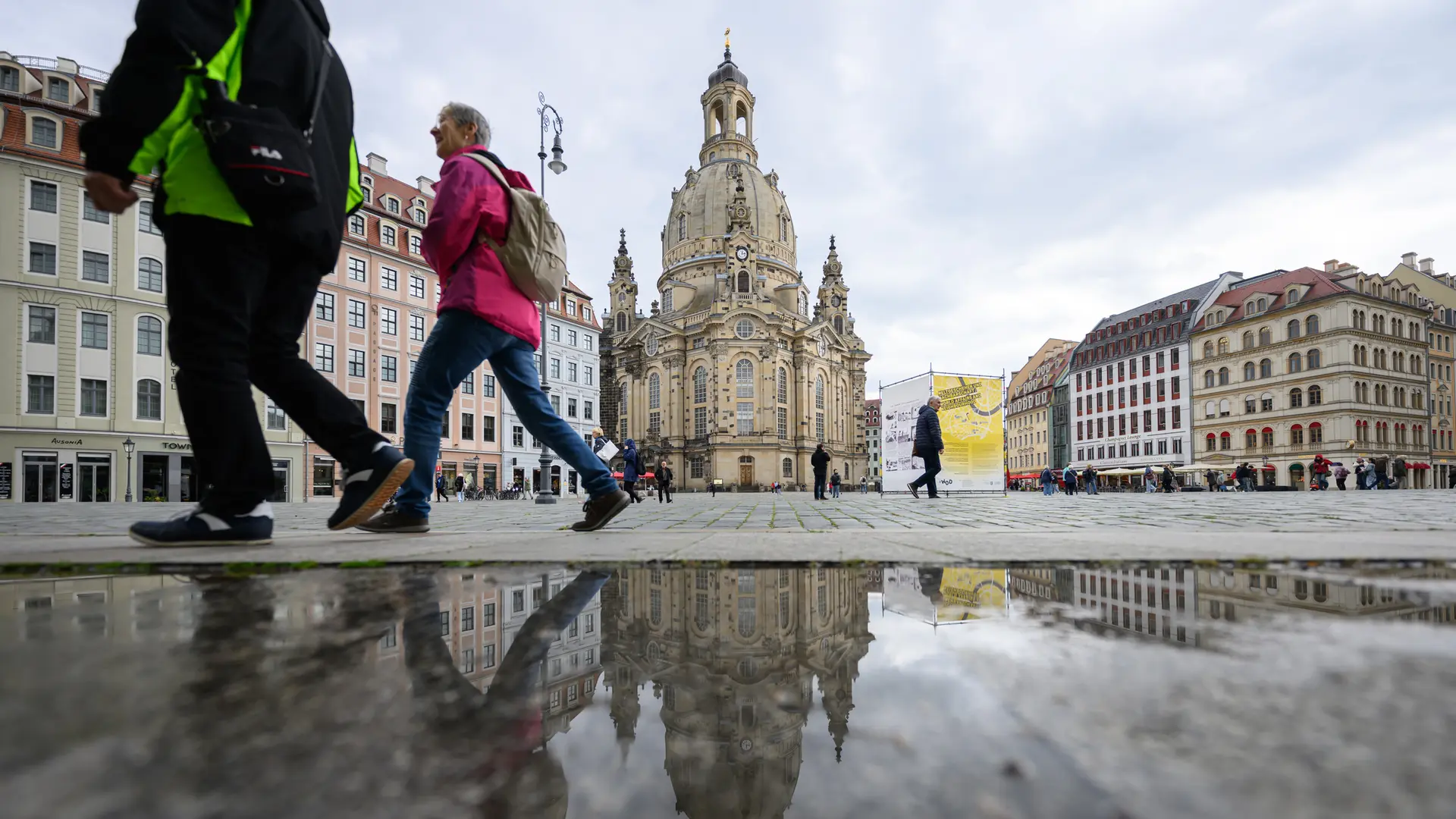
In contrast, the Dresden Frauenkirche provides a fascinating case study in the power of voluntary contributions. Operating as a foundation, the Frauenkirche maintains an annual budget of approximately 6 million euros. While it remains free to enter, the institution relies heavily on donations, which account for roughly 25% of its total budget.
The data reveals a stark reality: 1.5 million people visit the Frauenkirche annually. If each visitor donated just one euro, the financial pressures would vanish. However, the current average donation is closer to 30 cents per person. While this brings in 450,000 euros annually, it forces the foundation to be remarkably creative. They now offer "sponsorships" for individual seats, stones, and even specific pipes in their organ, proving that even "free" churches are becoming increasingly professionalized in their fundraising efforts.
Official Responses: The Clash of Philosophies
The debate is characterized by two distinct philosophical schools of thought among church leaders.
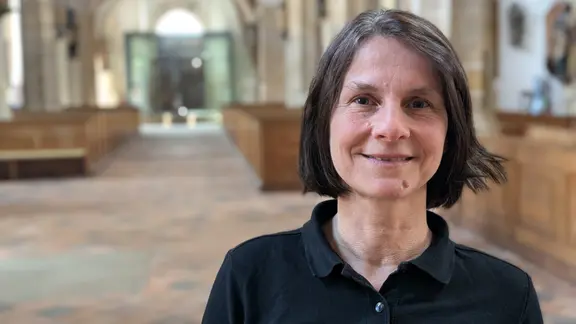
Jana Tschapek, the head of the tourism department for the Freiberg Cathedral, argues from a position of pragmatic stewardship. "A large portion of our guests understand that such a building simply requires money," she says. "They see the work being done, the history being preserved, and they accept that there is a cost associated with that experience."
Conversely, the leadership at the Dresden Frauenkirche, represented by Managing Director Maria Noth, emphasizes the theological and symbolic importance of the open door. "As a memorial for peace and reconciliation, it is close to our hearts to say: This church should really be open to all people during the day," Noth explains. For the Frauenkirche, the act of keeping the door open is an extension of their mission to serve the public, even if it forces them to live on the edge of financial viability.
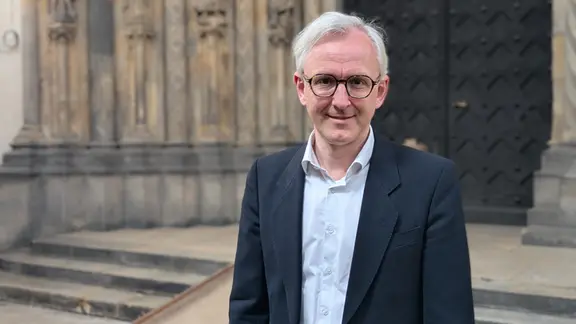
Dompfarrer (Cathedral Pastor) Gunnar Wiegand of Freiberg offers a middle ground. He acknowledges the necessity of the fee but expresses a desire for a "sacred space" within the church that remains free of charge. "I hope that after our upcoming renovations, we can carve out an area where people can come for silence, to light a candle, and to pray without the barrier of a ticket," Wiegand notes. He recognizes that while the building is a tourist destination, it remains, fundamentally, a house of prayer.
Implications: The Future of German Sacred Spaces
The implications of the Cologne decision are likely to ripple across the country. If the most iconic cathedral in Germany can successfully implement an entry fee, it creates a precedent that other parishes—struggling with the same financial constraints—will find difficult to ignore.
1. The "Museumification" of Religion
There is a legitimate fear that by charging admission, churches are being transformed into museums. This shift alters the visitor’s mindset from "pilgrim" to "consumer." Once a visitor pays an entry fee, they may feel entitled to certain amenities, such as air conditioning, souvenir shops, or photography access, which can clash with the somber atmosphere of a sanctuary.
2. The Loss of the "Chance Encounter"
The greatest casualty of the entry fee model is the spontaneous visitor. The person seeking a moment of peace, the lost traveler looking for shelter, or the curious passerby who might otherwise be drawn into a spiritual encounter are all deterred by a price tag at the door. If churches become "gated" by ticket booths, they may lose their role as the "spiritual heart" of the community.
3. A New Era of Fundraising
The success of the Frauenkirche’s sponsorship programs—allowing individuals to "buy" a brick or an organ pipe—suggests that the future of church funding lies in personal engagement. Rather than a flat fee, which is impersonal, churches may increasingly turn to micro-donations and emotional branding to close the funding gap.
Conclusion
As July 2026 approaches, the German debate over cathedral entry fees serves as a mirror for the broader challenges facing European Christianity. It is a struggle between the need for cold, hard cash to preserve ancient stone and the desire to remain an accessible, welcoming beacon of faith in a secularizing world.
Whether through the mandatory ticket model of Cologne and Freiberg or the donation-led, community-supported model of Dresden, one thing is certain: the preservation of these cultural treasures will no longer be an invisible act of faith, but a visible, financial commitment from the public that visits them. The churches will survive, but the definition of what it means to enter a "house of God" is being rewritten in real-time, one ticket at a time.