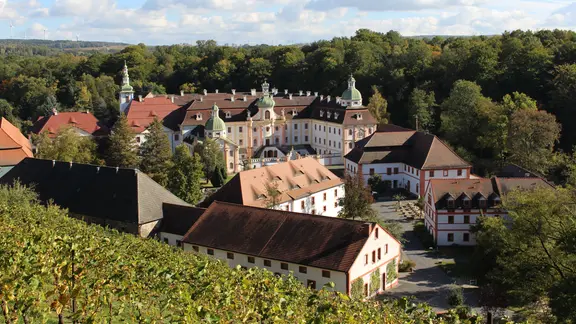
Deep within the serene landscape of the Upper Lusatia region, nestled between the towns of Görlitz and Zittau, lies the Monastery of St. Marienthal. Beyond its spiritual significance and picturesque architecture, the monastery houses a profound cultural repository: a historic library that serves as a time capsule of European intellectual and ecclesiastical history. Since the Free State of Saxony acquired this invaluable book collection in 2023, the Sächsische Landes-, Staats- und Universitätsbibliothek Dresden (SLUB) has taken on the monumental task of preserving, cataloging, and interpreting a legacy that spans centuries.
Main Facts: A New Chapter for a Centuries-Old Collection
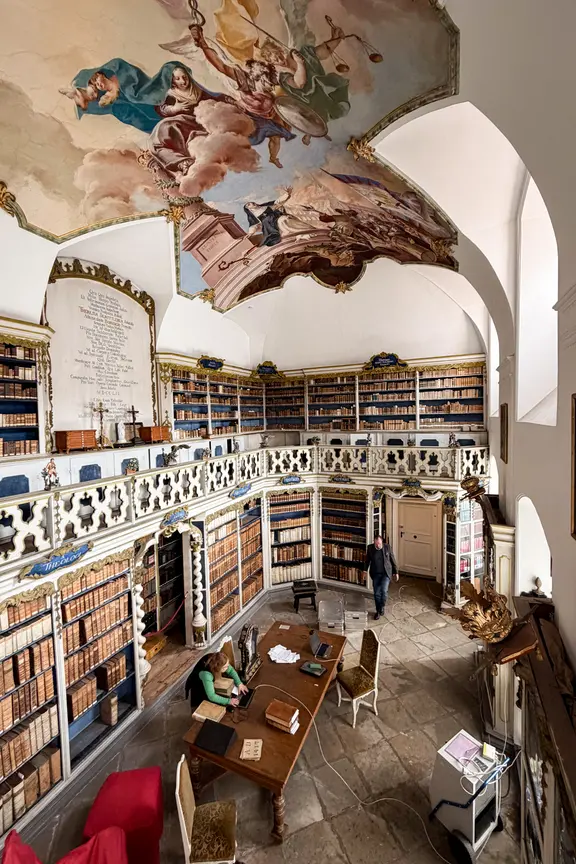
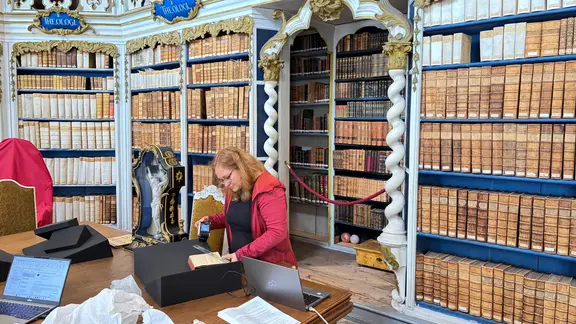
The library of St. Marienthal is more than just a room filled with dusty tomes; it is a meticulously preserved baroque ensemble dating back to 1752. The collection, comprising approximately 2,700 volumes, serves as a bridge between the 16th and 19th centuries. The interior, characterized by white-and-blue ornate shelving, an elegant mezzanine, and a ceiling fresco that breathes life into the space, provides a stunning backdrop for one of the most significant literary findings in modern Saxon history.
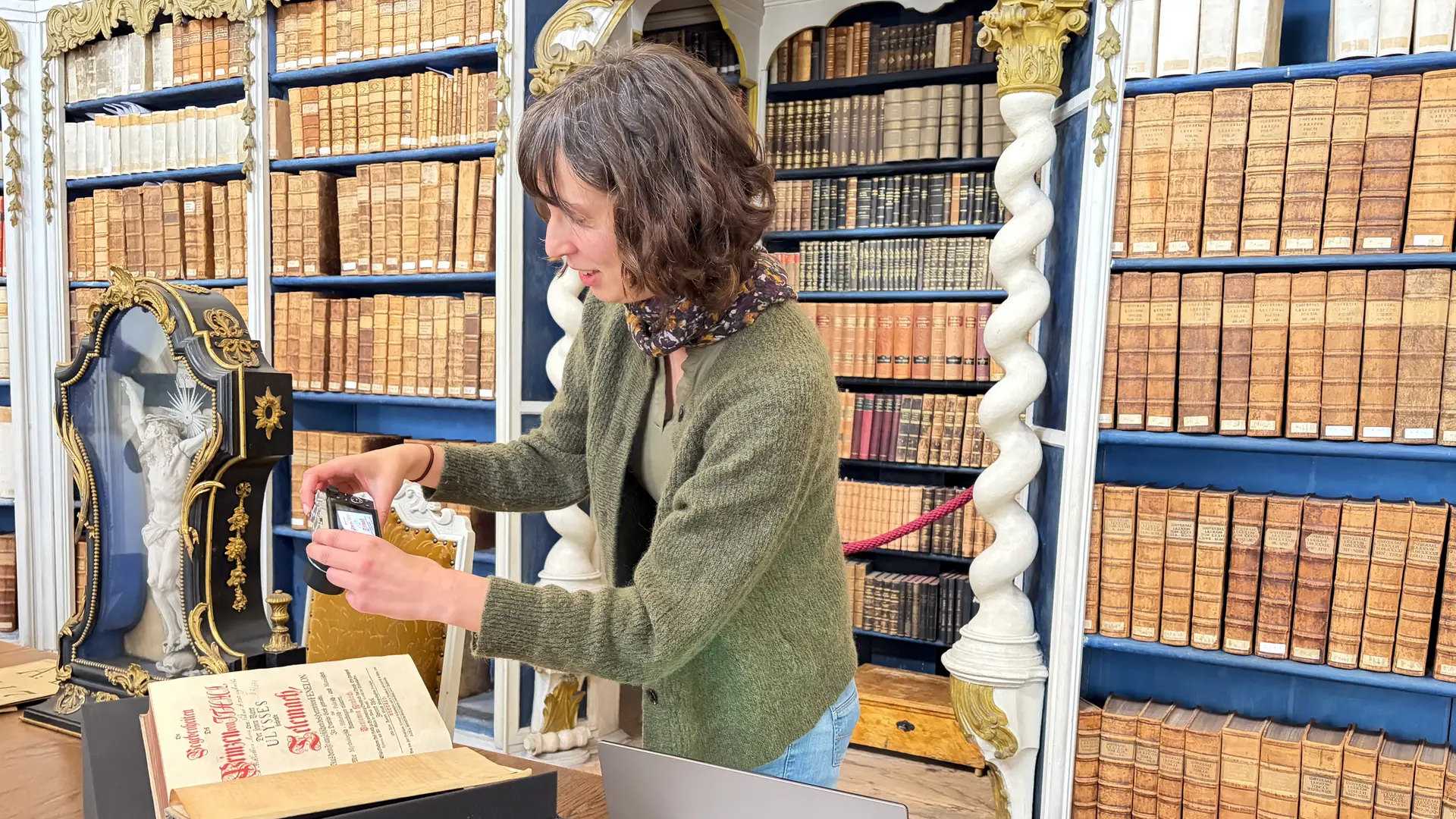
When the Free State of Saxony stepped in to purchase the collection in 2023, it was not merely a transaction—it was an act of cultural rescue. The state recognized that the monastery’s literary wealth was at risk of degradation or dispersal. Under the stewardship of the SLUB, the collection is now undergoing rigorous scientific examination, transforming it from a static historical display into a dynamic research subject.
The Chronology of Custodianship
The history of St. Marienthal’s library is one of resilience. The monastery itself has been ravaged by fire on multiple occasions throughout its long existence, yet the library collection survived, albeit with a complex provenance.
- 16th – 19th Century: The accumulation of the current collection, with significant contributions from various abbesses, including the noted Theresia Hözan von Harras.
- 1752: Completion of the current baroque library room, establishing the aesthetic and spatial framework that remains largely intact today.
- 2023: The Free State of Saxony formally acquires the historic book collection, transferring the responsibility of care to the SLUB Dresden.
- 2024 – Present: Initiation of a two-year research project, funded by the Carl Friedrich von Siemens Foundation, in collaboration with the Leipzig University Library, to digitize records and trace the history of the volumes.
Supporting Data: Mapping Medieval Networks
The current research, led by Thomas Stern—an expert in ancient manuscripts and rare prints at the SLUB—seeks to understand the "biography" of these books. By investigating where the books originated and how they arrived in the St. Marienthal collection, researchers are uncovering a web of intellectual exchange that once defined the Cistercian order.
"We aren’t just looking at the contents of the books, but at the traces left by their previous owners," says Stern. "By analyzing inscriptions, ex-libris marks, and provenance markers, we are reconstructing the relationships between monasteries. We see how books traveled from the Cistercian monastery at Pforte near Naumburg to Altzelle, and eventually to St. Marienthal."

Among the most notable artifacts are:
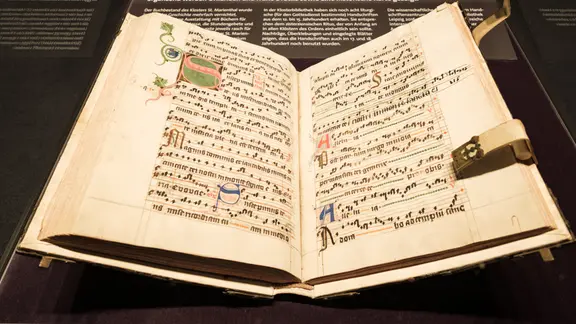
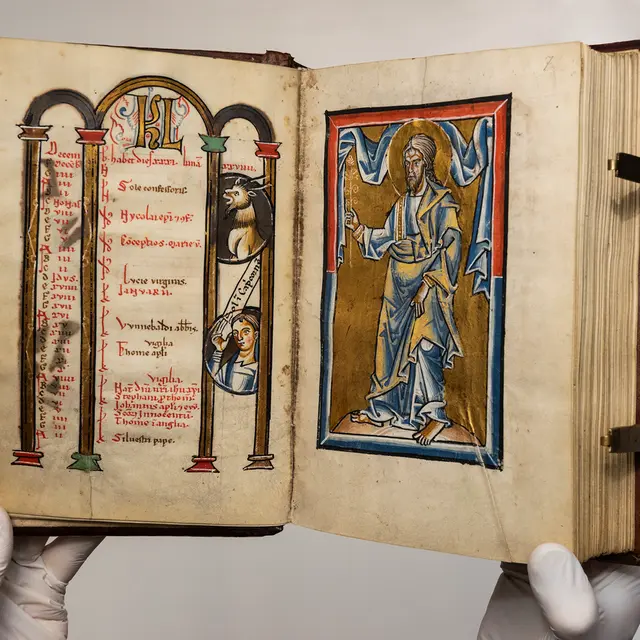
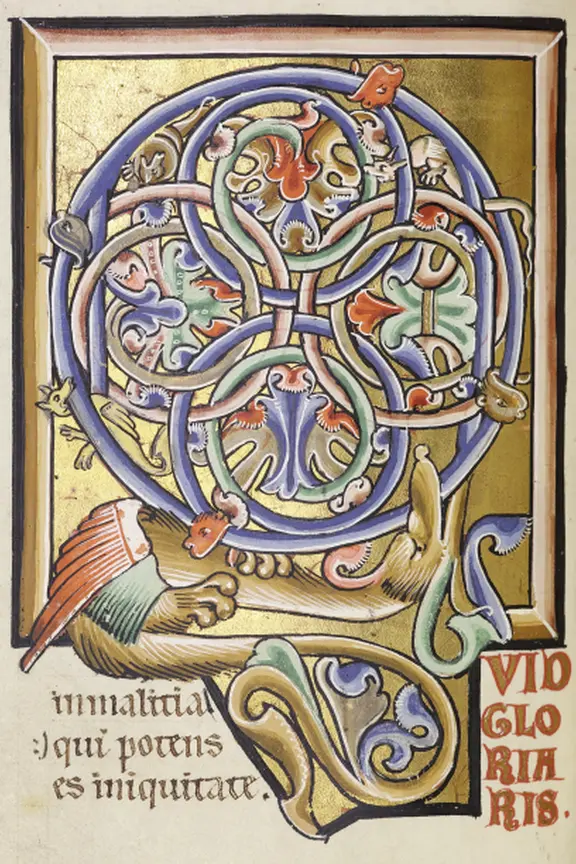
- The St. Marienthaler Psalter: An 800-year-old, richly illustrated manuscript that serves as a cornerstone of the collection.
- The Kapiteloffiziumsbuch of Altzelle (1174/75): A document that highlights the rigorous scholarship and liturgical life of medieval monks.
These documents are not merely relics; they are evidence of a sophisticated "knowledge transfer" system that functioned centuries before the invention of the internet, proving that monastic networks were the original information hubs of Europe.
Official Responses and Preservation Strategy
The approach to the library is twofold: preservation and accessibility. Thomas Stern explains that the most fragile and historically significant items have been relocated to ensure their long-term survival. The eight most precious medieval manuscripts are now safely housed in Leipzig, while 21 rare incunabula (early printed books) and various historical documents are kept in the SLUB or the Main State Archives in Dresden.
"We are balancing the need for physical preservation with the desire for public engagement," says a representative of the SLUB team. "By moving the most vulnerable items to climate-controlled environments, we ensure their survival for the next millennium, while the remaining, more robust volumes stay in the original, beautiful library space at the monastery."
To bridge the gap for researchers and the public, the team is actively digitizing the collection. A dedicated program allows scholars worldwide to access these texts online, effectively "unlocking" the collection without risking physical damage to the paper.
The Implications: Why This Matters Today
The efforts at St. Marienthal carry profound implications for how we view cultural heritage in the 21st century.
1. The Power of Provenance
In an age where the digital and physical worlds collide, the study of provenance—the history of ownership—has become a vital field. By mapping how books moved between cloisters, the SLUB team is teaching us about the socio-economic and intellectual links of the Middle Ages. This research helps combat the erasure of history, ensuring that the "silent" witnesses of the past—the books—continue to speak.
2. Digital Democratization
The digitisation process, while slow and methodical, is a victory for open science. By making rare, handwritten manuscripts accessible to anyone with an internet connection, the project moves these treasures from the restricted halls of the monastery to the global stage. This is particularly important for the current generation of students and historians who rely on digital archives to conduct their research.
3. A Model for Collaborative Care
The partnership between the state, the church, and the academic library system represents a model for cultural governance. It proves that when state resources are combined with expert knowledge, cultural institutions can successfully manage, restore, and interpret complex collections that might otherwise be lost to time.
Conclusion: A Living Legacy
While the grand, white-and-blue library in St. Marienthal may not always be open to the public, the intellectual treasures it contains are more available than ever. The ongoing work of the SLUB, the financial backing of the state, and the dedicated research into the medieval networks of the Cistercians remind us that our modern world is built on the foundations laid by those who came before us.
As the team continues to catalog the remaining volumes and digitize the pages, they are doing more than just preserving books; they are preserving the identity of the region. The library of St. Marienthal remains a testament to the fact that, even in the most remote corners of the world, human curiosity and the desire to collect and disseminate knowledge have always been a primary driving force of civilization. Through this project, the silent shelves of the monastery are finally beginning to tell their full, intricate story.