By [Author Name/News Desk]
Updated: October 8, 2026
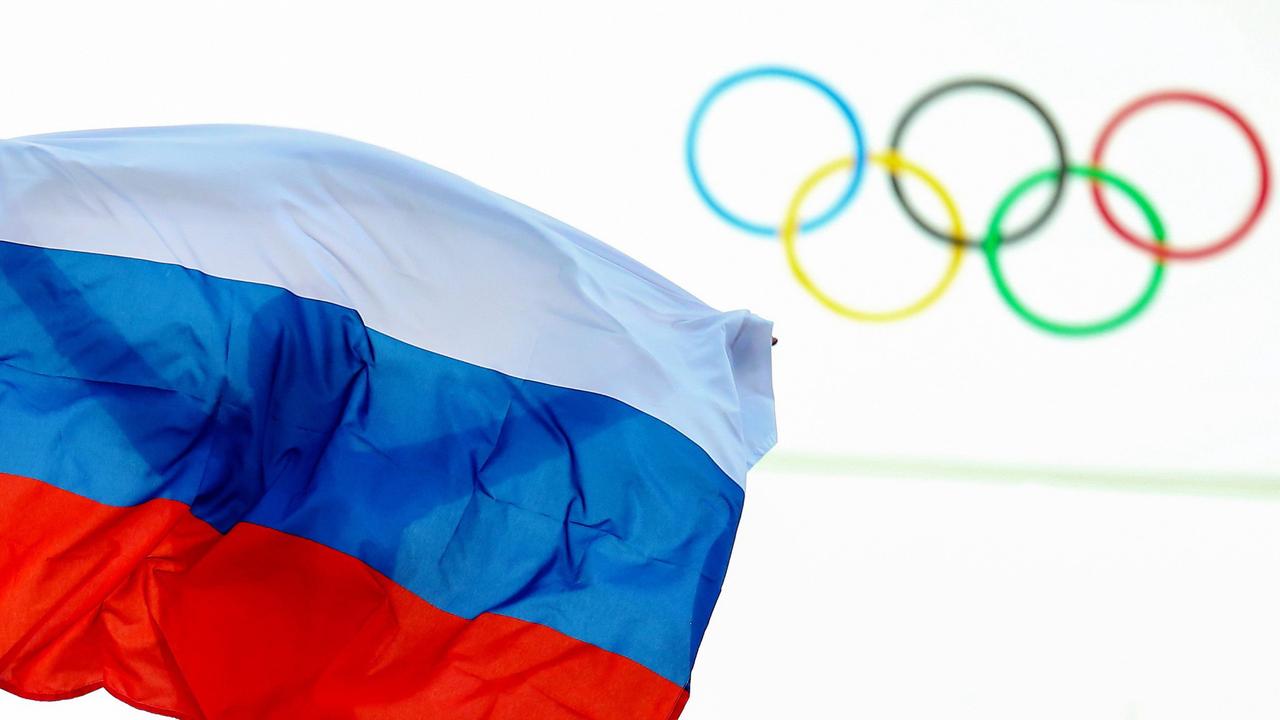
The landscape of international sport is undergoing a seismic shift. Since the summer of 2026, the barriers that once isolated Russian athletics from the global stage have systematically crumbled. Following a series of high-level decisions by the International Olympic Committee (IOC) and various international sports federations, Russia is rapidly reclaiming its position as a central player in the global sporting arena. With the ban officially lifted, the return of the Russian flag and national anthem has become a common sight, signaling a return to "business as usual" that has sparked fierce debate across the sporting world.
The Turning Tide: A Summary of Current Events
The isolation that characterized the Russian sports sector following the invasion of Ukraine in 2022 has effectively ended. The IOC, once a staunch proponent of "neutrality," has moved toward full reintegration. This transition is not merely administrative; it is a profound political statement.
Russian athletes are now competing under their national colors in major global championships. From the wrestling mats in Astana to fencing arenas in Hong Kong, the tricolor flag has returned to the podium. Behind the scenes, the IOC is engaging in proactive diplomacy, working to ensure that Russian athletes face no visa restrictions in host nations, effectively pressuring governments to align their entry requirements with the IOC’s inclusive mandate.
A Chronology of Reintegration
The path to this moment was paved by calculated legal and political maneuvers.
- 2023: The IOC suspends the Russian Olympic Committee (ROC) following its decision to incorporate sports organizations from the occupied Ukrainian territories of Donetsk, Luhansk, Saporischschja, and Cherson.
- December 2024: In a bid to satisfy IOC requirements, the ROC removes all regional Olympic councils from its charter and deletes language claiming jurisdiction over the entirety of the Russian Federation.
- May 2026: The international wrestling federation (UWW) becomes one of the first major bodies to return the Russian flag and anthem to its athletes.
- July 7, 2026: The IOC officially lifts the suspension of the ROC. It declares that its previous recommendations—which limited Russian athletes to "neutral" status and barred those with military ties—are "no longer applicable."
- Late 2026: Preparations for the 2028 Los Angeles Olympic Games enter a new phase, with the IOC asserting that all athletes must have equal access to qualification tournaments.
The "Flicker" of Neutrality: Why the System is Fracturing
Despite the IOC’s insistence that it is not creating a "patchwork" of regulations, the reality on the ground is highly inconsistent. Some federations, such as those governing weightlifting, have embraced full reintegration. Others, like the International Skating Union (ISU), have struggled with the optics of individual cases.
The case of figure skater Kamila Valieva serves as a prime example of this confusion. Initially granted neutral status, she saw that status revoked in September 2026 after protests regarding her ties to state-sanctioned figures, including the wife of Kremlin spokesperson Dmitry Peskov. This inconsistency highlights the fundamental friction between the IOC’s push for total readmission and the individual ethical mandates of specific sports bodies.
Official Responses and the Diplomacy of Pressure
The leadership in Moscow has adopted an aggressive stance. Russian Sports Minister and ROC President Mikhail Degtyarev has been at the forefront of this campaign. Undeterred by EU sanctions, Degtyarev has engaged in numerous non-public meetings in Switzerland, lobbying international federations and IOC officials directly.
"We are fully restored," Degtyarev declared in a recent interview. His rhetoric is matched by a willingness to utilize the legal system. Moscow has threatened massive lawsuits against federations and host nations that attempt to block Russian athletes, citing damages reaching into the hundreds of millions of euros.
Conversely, the IOC, led by figures like Kirsty Coventry, maintains that it refuses to hold athletes responsible for the actions of their governments. The IOC’s internal directives, however, reveal a more assertive strategy. In a leaked document addressed to international federations, the IOC suggests that qualification events for Los Angeles 2028 should only be awarded to countries that guarantee visas for all athletes, including those from Russia and Belarus. This effectively forces host nations to choose between hosting prestigious events and enforcing their own diplomatic sanctions.
The Impact on Global Sports Diplomacy
The implications of this shift are profound, moving well beyond the track or the field.
1. The Legal Battlefield
The Court of Arbitration for Sport (CAS) remains a central arena. With a pending case filed by Ukraine challenging the IOC’s decision to readmit Russia, the legal legitimacy of this return remains contested. However, recent precedents—where CAS overturned blanket bans in skiing and table tennis—have emboldened Russia’s legal team and weakened the resolve of many international federations.
2. The "Visa War"
Countries that have attempted to maintain a hard line, such as Poland, the Baltic states, and Germany, are now facing the direct consequences of the IOC’s new policy. By withholding visas for Russian delegations, these nations are essentially being told by the Olympic establishment that they are no longer suitable hosts for international competition. Minister Degtyarev has publicly signaled that Russia intends to hold these nations accountable, effectively turning sports diplomacy into a weaponized exchange of sanctions and counter-sanctions.
3. The Erosion of Human Rights Standards in Sport
Critics argue that by removing the ban on athletes with links to the Russian military, the Olympic movement has abandoned its own moral compass. Figures like Mikhail Mamiaschwili, who holds rank in the Russian military, are now leading the charge back into international competition. For many observers, this represents a normalization of state-linked athletic programs that were previously held in check by the international community.
Looking Toward Los Angeles 2028
As the world looks toward the 2028 Los Angeles Olympics, the trajectory is clear: the IOC is committed to a Russian presence. While the question of whether the Russian flag will fly over the opening ceremony in California remains "under review," the competitive path is wide open.
"We have a plan, a strategy for every sport, for every athlete," Degtyarev stated. "We are going there, for sure."
The return of Russia to the international fold is a victory for the "sport-as-neutral-ground" philosophy, but it comes at a significant cost. It has fractured the unity of the sporting world, pitted federations against host governments, and reignited debates about the role of the IOC in global politics. As the qualifying events for 2028 ramp up, the international community must grapple with the reality that the playing field has been fundamentally altered—and the price of admission may be the very principles that sport was once intended to uphold.
Data Summary: The Current State of Play
| Sport/Federation | Status of Russian Athletes |
|---|---|
| Wrestling (UWW) | Full reinstatement (Flag & Anthem) |
| Fencing | Full reinstatement |
| Boxing | Full reinstatement |
| Weightlifting | Full reinstatement |
| Swimming | Neutral/Limited access |
| Biathlon | Continued exclusion |
| Figure Skating | Case-by-case (Highly volatile) |
The situation remains fluid as more federations align their bylaws with the latest IOC directives issued in July 2026.