

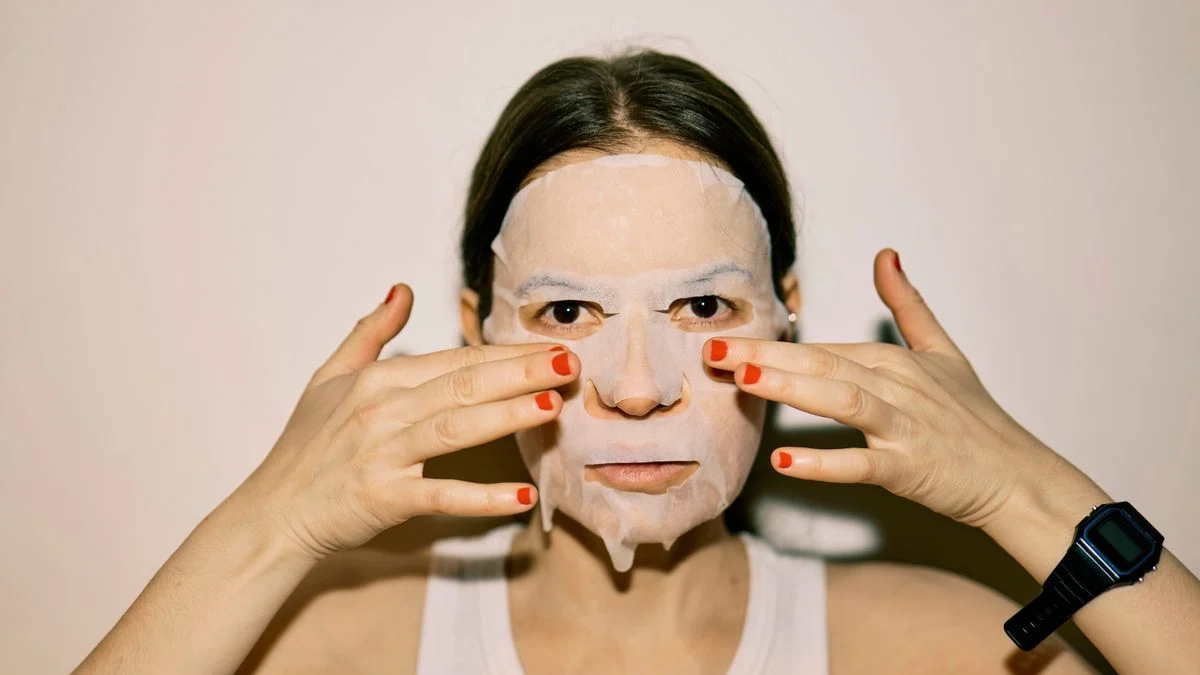
The quest for eternal youth has transitioned from the mythological springs of antiquity to the sterile, high-tech laboratories of the 21st century. As global populations age, the "anti-aging" industry has ballooned into a multi-billion-dollar juggernaut, promising everything from cellular rejuvenation to the wholesale erasure of wrinkles. But behind the sophisticated marketing and the promise of "revolutionary" peptides, what does the science actually say?
This report examines the efficacy of modern anti-aging interventions, the chronology of cosmetic innovation, and the divide between clinical reality and consumer expectation.
I. The Main Facts: Defining Anti-Aging in the Modern Era
At its core, the anti-aging market is divided into two distinct categories: the cosmetic, which focuses on the appearance of aging (wrinkles, skin laxity, pigmentation), and the gerontological, which focuses on biological age and the extension of "healthspan."
Current dermatological standards emphasize a "prejuvenation" strategy. The industry has shifted away from corrective procedures toward preventative maintenance. Central to this are retinoids—the gold standard of topical skin care—which remain the only class of compounds with significant, peer-reviewed clinical evidence for collagen stimulation and cell turnover.
However, the surge in "bio-hacking" and longevity supplements, such as NMN (Nicotinamide Mononucleotide) and Resveratrol, remains a point of intense contention. While animal studies have shown potential in cellular repair, human trials are currently inconclusive. The main fact remains: there is no "cure" for aging, but there is significant evidence that lifestyle interventions—sun protection, diet, and sleep—outperform the vast majority of over-the-counter serums.
II. Chronology of Cosmetic Innovation
To understand where we are, we must look at the timeline of the industry’s evolution:
- 1950s–1970s: The Era of Hydration. The market was dominated by heavy creams, primarily focused on occlusive ingredients like petroleum jelly and lanolin. The goal was to prevent transepidermal water loss, not to alter skin structure.
- 1980s: The Retin-A Breakthrough. The FDA approval of Tretinoin (Retin-A) for acne treatment revealed a significant side effect: users experienced a marked reduction in fine lines and skin roughness. This marked the shift from "moisturizing" to "active" skincare.
- 1990s: The Antioxidant Revolution. Vitamin C, Vitamin E, and Ferulic acid entered the mainstream, promising to neutralize free radicals caused by UV exposure and pollution.
- 2000s–2010s: The Peptide and Growth Factor Boom. Science turned toward cell-signaling. Peptides, designed to "trick" the skin into thinking it had been injured (and thus stimulate repair), became the backbone of luxury skincare.
- 2020–Present: The "Skin Barrier" and Longevity Era. The focus has moved toward the microbiome and mitochondrial health. We are currently in an era where consumers are moving away from harsh "peel" treatments toward barrier-repairing, science-backed formulations, while simultaneously exploring systemic longevity interventions.
III. Supporting Data: What Actually Works?
When evaluating the efficacy of anti-aging products, the data often points to a hierarchy of evidence.
The Tiered Hierarchy of Efficacy
- Level 1: The Non-Negotiables. Daily broad-spectrum SPF 30+ is the single most effective anti-aging product ever created. Data from the Australian Cancer Council confirms that consistent sun protection prevents up to 80% of premature facial aging.
- Level 2: Vitamin A Derivatives. Clinical trials consistently show that Retinoids (Tretinoin, Retinol, Retinaldehyde) increase dermal thickness. A study published in the Journal of Dermatological Science demonstrated that long-term topical retinol application results in significant clinical improvements in fine lines.
- Level 3: Hydrators and Antioxidants. Hyaluronic acid and Niacinamide provide immediate cosmetic improvements by plumping the stratum corneum and reducing inflammation, though their "anti-aging" impact is largely superficial rather than structural.
- Level 4: The Gray Zone. Supplements and ingestible collagen. While some studies suggest oral collagen can improve skin elasticity, the bioavailability remains debated. The digestive system breaks down proteins into amino acids, meaning the body does not necessarily "send" collagen peptides directly to the skin.
IV. Official Responses and Industry Skepticism
The medical community, particularly the American Academy of Dermatology (AAD), maintains a cautious stance on the industry’s more aggressive claims. Dermatologists often warn against the "ingredient-stacking" phenomenon—the tendency for consumers to use too many active products, which leads to compromised skin barriers and chronic inflammation, ironically accelerating the aging process.
Furthermore, the lack of regulation in the "cosmeceutical" space is a recurring point of contention. Because these products are categorized as cosmetics rather than drugs in many jurisdictions, they are not subject to the same rigorous clinical trials required for pharmaceuticals. Dr. Helena Varga, a leading researcher in dermatological pharmacology, notes: "The marketing budget of a skincare line is often ten times the research budget. Consumers are paying for the brand’s narrative, not the molecule’s efficacy."
Regulatory bodies are increasingly scrutinizing "anti-aging" labels, with some countries pushing for terminology changes to "pro-aging" or "healthy aging" to combat the psychological distress caused by the industry’s fear-based marketing.
V. Implications: The Future of Aging
The implications of this industry reach far beyond the vanity mirror. We are witnessing a demographic shift where the "silver economy" is becoming the primary target of innovation.
The Shift Toward Personalized Care
The future of anti-aging lies in personalization. Using AI to analyze skin texture and genetic predispositions, companies are moving toward bespoke formulations. This minimizes the risk of irritation and ensures that active ingredients are optimized for an individual’s specific biological needs.
The Psychological Impact
There is a growing social movement questioning the morality of the "anti-aging" narrative. Sociologists argue that by framing aging as a disease to be cured, the industry contributes to systemic ageism. As we move forward, the most successful brands will likely be those that pivot from "erasing the past" to "supporting healthspan."
Sustainability Concerns
The rapid turnover of cosmetic trends (the "new ingredient every month" cycle) has led to significant environmental waste. The industry is under pressure to move toward refillable systems and more transparent supply chains.
Conclusion: A Balanced Perspective
While the dream of a fountain of youth remains unfulfilled, the science of skin health has never been more robust. Consumers today have access to effective tools that were unimaginable even two decades ago. However, the path to healthy skin is rarely found in a high-priced jar alone.
The most effective "anti-aging" program remains remarkably low-tech: rigorous sun protection, a diet rich in antioxidants, adequate hydration, and the disciplined use of clinically proven topicals like retinoids. The industry may continue to market the impossible, but for the informed consumer, the science is clear: aging is inevitable, but the manner in which we age—and the health of our skin—is significantly within our control.
As we look toward the next decade, the conversation must shift from the impossible goal of staying 25 forever to the achievable goal of maintaining cellular integrity, skin health, and vitality at every stage of the human experience. The true "anti-aging" breakthrough is not a chemical compound; it is the acceptance that skin health is a lifelong commitment, not a temporary battle against time.





















