

By Editorial Staff
September 13, 2026
In a move aimed at alleviating the mounting frustration of rail passengers, German Federal Transport Minister Steffen Bilger has announced that he is in active negotiations with Deutsche Bahn to reintroduce the much-lamented family seat reservation scheme. The policy, which was abruptly scrapped in June 2025, has become a lightning rod for criticism, symbolizing for many families the deteriorating service quality and rising costs of rail travel in Germany.
As the government grapples with declining public approval and an infrastructure system under intense strain, the push to restore this benefit is seen as both a practical necessity for families and a strategic move to restore faith in public transit.
The Core Issue: Why Families are Suffering
Until the summer of 2025, the Deutsche Bahn family reservation offer was a cornerstone of family-friendly travel. For a flat fee of 10.40 euros, families could secure up to five seats together in a single booking process. This provided not only significant cost savings but also the psychological security of knowing that parents and children would not be separated across different carriages—a common nightmare for anyone traveling with small children or luggage.
The cancellation of this service forced families to book each seat individually. Under the current regime, the cumulative cost of individual reservations has led to a steep price hike, effectively penalizing parents for choosing the train over the car. The backlash was immediate and fierce. Consumer advocacy groups, most notably the Verkehrsclub Deutschland (VCD), launched a campaign that garnered over 128,000 signatures, demanding that the rail operator reconsider the move.
A Chronology of the Discontent
To understand the current impasse, one must look at the timeline of the policy shift and the subsequent leadership changes within the transport sector:
- Pre-June 2025: The family reservation flat-rate model is in place, functioning as a popular incentive for rail travel.
- June 2025: Deutsche Bahn announces the termination of the family reservation service, citing operational adjustments.
- Summer 2025: Public outcry reaches a fever pitch. Steffen Bilger takes office as Federal Transport Minister in late July, inheriting a ministry under fire for the state of the railways.
- September 2025: A major leadership transition occurs at the helm of Deutsche Bahn as Evelyn Palla takes over as CEO, signaling a potential shift in corporate strategy.
- September 13, 2026: Minister Bilger confirms in an interview with the Funke Mediengruppe that he is pushing for the policy’s reinstatement, acknowledging the "justifiable dissatisfaction" among the public.
Official Responses and Political Pressure
Minister Bilger, a member of the CDU, has been vocal about his disagreement with the previous management’s decision to scrap the discount. "We are in discussions with the railway regarding this," Bilger stated. His comments reflect a broader political realization that the "customer experience" at Deutsche Bahn has become a liability for the ruling coalition.
The transition to Evelyn Palla’s leadership at Deutsche Bahn has provided a window of opportunity for this policy reversal. Unlike her predecessors, Palla is tasked with stabilizing a network that has been plagued by chronic delays and technical failures. Restoring the family reservation system is being viewed as a "low-hanging fruit"—a relatively simple operational change that could yield high returns in terms of public goodwill.
The Broader Context: A "Wholly Insufficient" Infrastructure
While the family reservation debate is the immediate focus, Minister Bilger acknowledges that it is merely a symptom of a larger, systemic failure. During his recent interviews, he did not mince words, describing the current state of Germany’s rail infrastructure as "wholly insufficient."
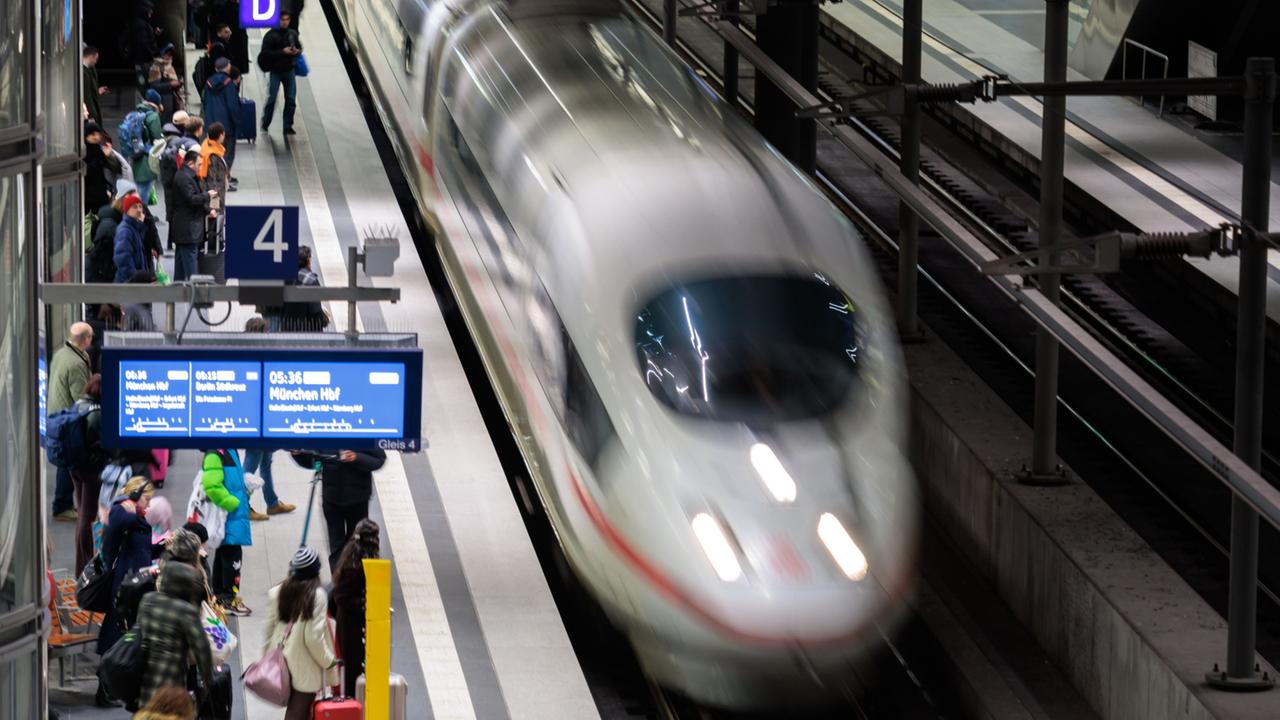
This assessment resonates with a public that has seen rail travel become synonymous with uncertainty. When asked whether the dysfunction of the transport sector contributed to the recent electoral losses of the CDU in states like Saxony-Anhalt, Bilger admitted that there was a clear link. "I see a certain connection," he noted, explaining that the issue is the most frequent topic raised by citizens in his constituency and during his public appearances.
The frustration is not limited to ticketing policies; it extends to the perpetual construction sites that disrupt travel. Bilger defends the current construction boom, arguing that while the short-term impact is an increase in delays, the long-term objective is a modernized, more resilient grid. "The investments in renovation and maintenance will eventually improve punctuality," he insisted. "But we have to get through this phase of intensive construction first."
Economic and Social Implications
The removal of the family reservation was, at its core, a move by the railway to maximize revenue per seat in an environment where demand often outstrips supply. However, the social cost of this decision has been high. By making train travel less affordable and less convenient, the railway inadvertently incentivized families to return to private vehicle travel, directly undermining the government’s stated environmental and climate protection goals.
For families, the current cost structure is not merely an inconvenience—it is a deterrent. A family of five traveling from Berlin to Munich now pays significantly more for the privilege of sitting together than they did 18 months ago. This is particularly damaging at a time when the cost-of-living crisis is already placing pressure on household budgets.
Challenges to Reimplementation
Despite the Minister’s desire to see the policy restored, several hurdles remain:
- Revenue Loss: Deutsche Bahn, currently operating under strict budgetary constraints, may be hesitant to sacrifice the revenue generated by individual seat bookings.
- Operational Complexity: The technical integration of a "family bundle" into the current digital booking systems—which have undergone various updates since 2025—requires time and resources.
- Capacity Constraints: With the current shortage of rolling stock, the railway may fear that incentivizing family travel will only exacerbate the issue of overcrowded trains, particularly on peak holiday weekends.
The Path Forward
As the government and Deutsche Bahn continue their talks, the outcome will serve as a bellwether for the future of German transport policy. If the family reservation is restored, it will represent a rare instance of a government successfully responding to grassroots consumer pressure to reverse a corporate decision.
However, as Minister Bilger noted, the broader challenge remains the fundamental overhaul of the infrastructure itself. "The people are tired of excuses," he admitted. "They want a railway that works, that is affordable, and that treats them as valued customers."
Whether the return of the family reservation will be enough to quell the tide of public discontent remains to be seen. For now, it stands as the most tangible hope for millions of German families who simply want to travel together without the burden of an unnecessary financial penalty. As the autumn of 2026 progresses, all eyes will be on the boardroom of Deutsche Bahn and the halls of the Transport Ministry to see if they can deliver on this promise of a more family-friendly, accessible rail network.