

By Our Editorial Staff
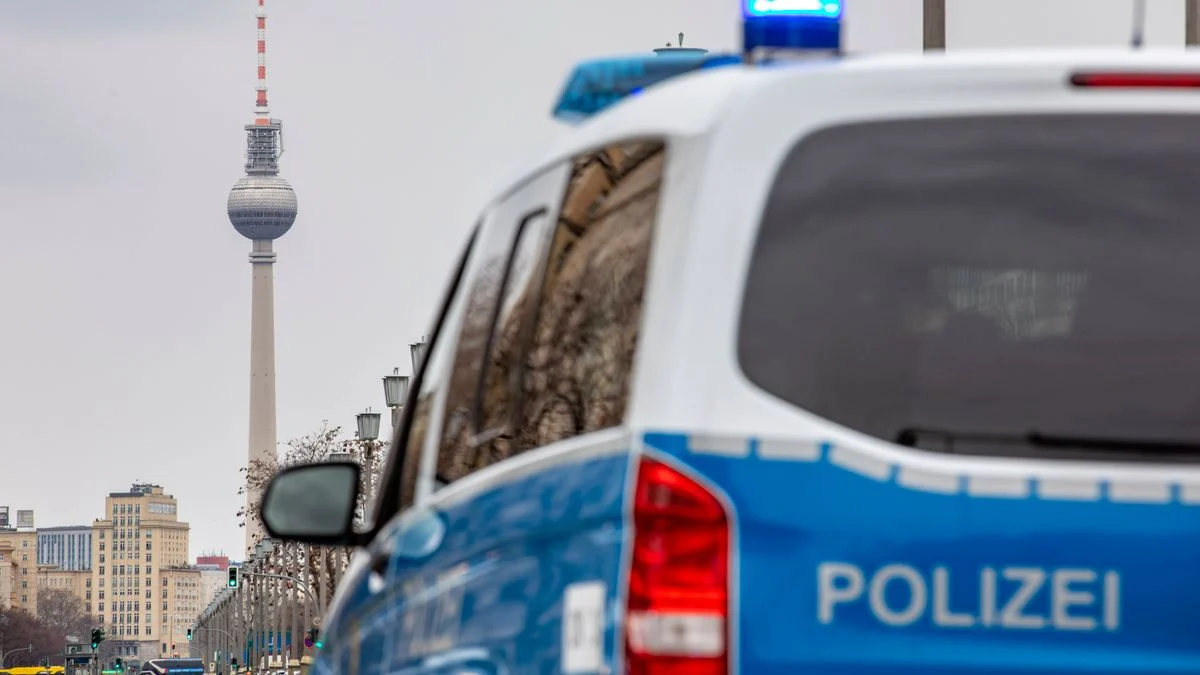
In a massive display of force, Berlin law enforcement authorities have struck a significant blow against organized crime networks operating within the capital. In a coordinated operation that spanned across the city and involved several hundred officers, police successfully executed raids on approximately 20 locations. The operation, which resulted in the apprehension of nine primary suspects, marks a pivotal moment in the state’s ongoing struggle to reclaim the streets from gangs involved in the illicit trafficking of firearms.
The operation was the culmination of months of meticulous intelligence gathering, surveillance, and tactical planning. By targeting the logistics of the underground weapon trade, the Berlin State Criminal Police Office (LKA) has sought to disrupt the supply chain that has fueled a disturbing rise in public shooting incidents.
The Anatomy of a High-Stakes Operation
The raids, which were executed with military-grade precision, saw the deployment of specialized tactical units. Alongside the Berlin State Police, the operation involved tactical teams from various German federal states, as well as the elite GSG 9—the counter-terrorism and special operations unit of the German Federal Police.
The scope of the operation reflects the severity of the threat posed by these criminal structures. Authorities targeted roughly 20 specific locations simultaneously, effectively neutralizing the suspects’ ability to communicate or conceal evidence during the raids.
A Chronology of Investigation: Operation "Ferrum"
The success of the operation is attributed to the specialized Ermittlungseinheit "Ferrum" (Latin for "Iron"), a task force established by the LKA specifically to dismantle the networks facilitating the trade of illegal firearms.
- Preliminary Phase: For months, the "Ferrum" unit operated in the shadows, mapping out the connections between illicit weapon suppliers and street-level criminal organizations.
- Tactical Preparation: Recognizing the high-risk nature of the suspects, the police intensified their investigative pressure, coordinating with state and federal agencies to ensure that tactical entry would be successful.
- The Execution: In the early morning hours, the coordinated sweep commenced. By utilizing elite units, the police ensured that the suspects—many of whom are believed to be heavily armed—were apprehended with minimal risk to the surrounding public.
- The Aftermath: Following the arrests, forensic teams began the exhaustive process of cataloging evidence, including seized hardware, digital communications, and illicit financial records, which investigators hope will lead to further arrests.
Supporting Data: The Rising Tide of Gun Crime
The urgency of this operation is underscored by alarming statistics released by the Berlin Police. The figures reveal a stark escalation in the prevalence of firearms on the city’s streets, painting a picture of an urban environment under increasing pressure from organized criminal elements.
In 2025, the Berlin Police recorded 1,119 instances involving the use of firearms. To understand the gravity of this data, one must look at the breakdown: roughly half of these incidents involved suspects brandishing weapons to threaten victims, while in 515 instances, actual shots were fired.
Compared to the data from 2024, the situation has deteriorated rapidly. The authorities report a staggering 68 percent increase in criminal offenses where weapons were either displayed or utilized. This surge has placed an unprecedented burden on the capital’s law enforcement agencies, forcing them to pivot their strategy toward more aggressive, intelligence-led disruption tactics.
Official Responses: A Call for Legal Reform
The political response to the raids has been swift and resolute, with senior officials emphasizing that the "rule of law" must remain the primary deterrent against criminal violence.
The Stance of the Interior Senate
Interior Senator Iris Spranger (SPD) was unequivocal in her assessment of the raids. Speaking to the press shortly after the operation, she stated, "Those who make our streets unsafe with weapons will feel the full force of the law."
Spranger emphasized that the "Ferrum" unit’s work is only one part of a larger, systemic effort. She revealed that Berlin, alongside the Interior Ministers’ Conference, has formally initiated a call for stricter federal gun laws. "The Federal Government is now challenged to act," she added, signaling a move toward tighter regulation of weapon accessibility and stricter sentencing guidelines for those caught in possession of illegal hardware.
The Role of the Judiciary
Justice Senator Felor Badenberg (CDU) praised the efforts of the public prosecutor’s office, specifically highlighting the work of the specialized "Telum" (Latin for "Attack Weapon") task force. This group, dedicated to the legal prosecution of gun-related crimes, has worked in lockstep with the police to ensure that the evidence gathered during the raids is sufficient to secure long-term convictions.
Badenberg underscored the necessity of a unified front: "We are not just making arrests; we are dismantling the structures that allow these networks to thrive. We will continue to target these criminal organizations with every legal instrument at our disposal."
Implications: The Need for Modernized Policing
While the success of the raids has provided a temporary respite, the Police Union (GdP) has issued a sobering reminder: the battle against organized crime is a technological arms race that the police are currently ill-equipped to win without further reform.
The "Digital Gap"
The GdP has been vocal about the limitations faced by officers on the ground. As criminals increasingly rely on encrypted messaging apps and sophisticated digital infrastructures to coordinate their illicit trade, the police are struggling to keep pace.
The union is calling for:
- Enhanced Interception Capabilities: Improved legal frameworks to allow for the effective wiretapping of suspect communications.
- Modern Data Processing: Greater access to high-end analytical software capable of parsing through large datasets to identify patterns in organized crime before violence occurs.
- Legislative Flexibility: The union argues that privacy laws, while essential for democracy, often act as a shield for criminals, creating a "blind spot" that makes it difficult to track the movement of illegal arms across city borders.
The Shift in Strategy
The combined pressure from the "Ferrum" and "Telum" task forces represents a strategic shift in Berlin’s approach to crime. Rather than focusing solely on reactive street-level policing, the state is moving toward a model of "disruptive investigation." By targeting the supply chain—the importers, the storage facilities, and the financial facilitators—the police hope to create a "chilling effect" that makes the trade of illegal arms in Berlin prohibitively risky for criminal syndicates.
Conclusion: A City at a Crossroads
The events of this week have served as a wake-up call for both the public and the political establishment. The 68 percent increase in gun-related crimes is not merely a statistical anomaly; it is a symptom of a deeper, more entrenched problem within the city’s underground economy.
The apprehension of these nine suspects is a significant tactical victory, but as Senator Spranger and the GdP have pointed out, the structural issues remain. The demand for illegal firearms continues to exist, and as long as the supply routes remain viable, the cycle of violence will likely persist.
As Berlin looks to the future, the success of future operations will depend on a delicate balance: the ability of the police to deploy modern, intrusive, and highly effective surveillance methods while maintaining public trust and adherence to the rule of law. Whether the federal government will answer the call for stricter legislation remains to be seen, but one thing is clear: the era of "business as usual" for criminal gun traffickers in Berlin has come to an abrupt and violent end.
For now, the citizens of Berlin remain watchful, hoping that the "Iron" and "Attack Weapon" task forces can maintain the momentum and restore the sense of security that the city has long been known for. The coming months will be critical in determining whether this operation was the beginning of a sustained decline in violence, or simply a temporary setback for the networks that continue to challenge the state’s authority.























Leave a Reply