By Sven-Oliver Schibat
As the week draws to a close, Hesse faces a convergence of dramatic weather patterns, a deeply distressing criminal investigation, and significant logistical hurdles for commuters. From the winds howling across the Taunus mountains to the somber developments in a Marburg murder case, this edition of our daily briefing covers the critical events shaping our region. Additionally, we address the seasonal transition—the clocks go back this Sunday—and look ahead to the weekend’s events, including the Frankfurt Marathon.
1. Main Facts: A Weekend of Turbulence and Transition
Hesse is currently navigating a period of volatility. The most immediate concern is the arrival of intense autumn storms, which are expected to bring gusts of over 100 km/h to the higher elevations, posing significant risks due to the drought-stressed state of the local forest canopy. Simultaneously, authorities have made a breakthrough in the investigation into the death of a 35-year-old woman in Marburg, with a suspect apprehended in Poland. Finally, rail passengers in the Rhine-Main area are bracing for significant service disruptions as a result of major infrastructure upgrades near the Frankfurt-Stadion hub.

2. Chronology of Events
The Marburg Homicide Investigation
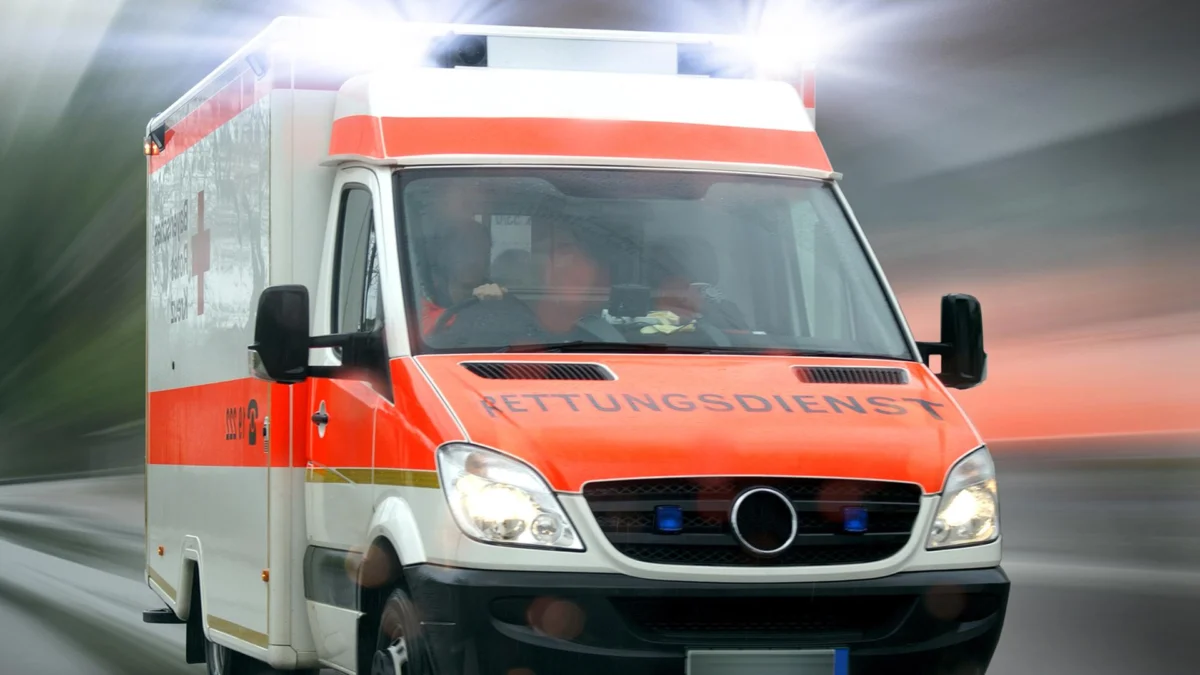
The tragic discovery was made on Wednesday when the body of a 35-year-old woman was found in a thicket near the "Am Erlengraben" street in Marburg. The investigation moved with unexpected speed, leading to a coordinated international effort. By Friday, the Marburg Public Prosecutor’s Office and the local police announced the arrest of a 42-year-old male suspect in Poland. Authorities report that the victim and the suspect had a prior romantic relationship. The victim, who had been residing in a women’s shelter to escape a different former partner, met with the 42-year-old on Wednesday, shortly before the incident occurred.
Storm Fronts: Luise and Manja
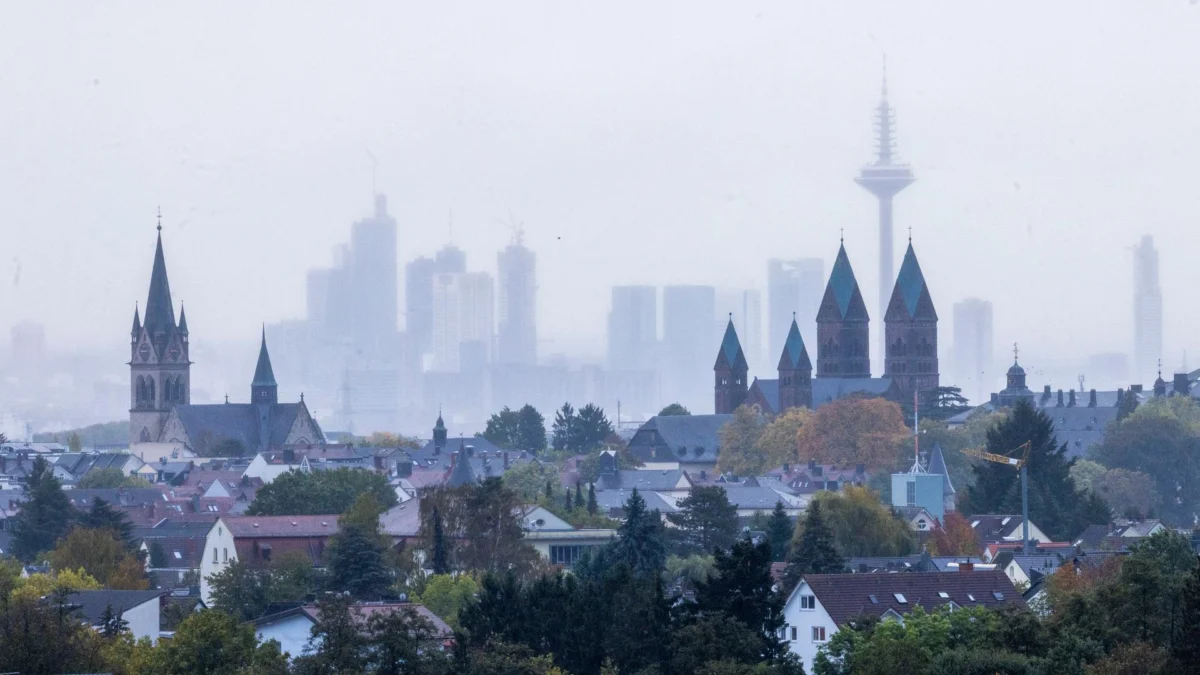
Starting Friday afternoon, meteorologists have issued warnings for severe weather. The storm system, characterized by high-velocity gusts, is moving through the region. While lower-lying areas are expected to see gusts around 70 km/h, the mountainous regions of Northern and Central Hesse are at risk of exceeding 100 km/h. A secondary, more intense front is predicted to arrive Saturday evening, prolonging the hazardous conditions.
Rail Infrastructure Upgrades
Beginning today, October 25, and extending through November 2, the Deutsche Bahn is undertaking extensive expansion work at the Frankfurt-Stadion hub. This involves the construction of four new tracks and the replacement of aging bridge infrastructure over the Main River. These necessary improvements, while essential for the long-term reliability of the regional rail network, have resulted in immediate, widespread cancellations and rerouting of regional and suburban (S-Bahn) trains.

3. Supporting Data and Technical Context
Meteorological Risks
The current storm activity is particularly dangerous due to the cumulative impact of recent climate patterns. Forest experts note that the trees in Hesse, still recovering from consecutive years of summer drought, are structurally compromised. This makes them significantly more prone to "windthrow" (uprooting) or limb failure, even during moderate storm events. Emergency services have urged the public to avoid wooded areas during the height of the winds.
Rail Logistics and Capacity
The Frankfurt-Stadion project is a cornerstone of the regional infrastructure master plan. The complexity of the work—which includes the construction of new rail bridges and complex track geometry adjustments—necessitates a near-total suspension of specific lines, including the S7. Fernverkehr (long-distance) trains are being diverted via the "Forsthaus" line to Frankfurt Hauptbahnhof or redirected entirely to Frankfurt-Süd, skipping the main central hub to allow for the construction window to proceed safely.
4. Official Responses and Legal Proceedings
The Marburg Case
The Marburg Public Prosecutor’s Office has confirmed that the 42-year-old suspect is currently in custody in Poland. Given the nature of the crime—a violent act involving multiple stab wounds—the extradition process is now the primary focus for legal authorities. Prosecutors are preparing formal requests to bring the suspect back to Germany to face trial. "We are working in close cooperation with Polish law enforcement to ensure that the suspect is transferred to the German judicial system as swiftly as possible," a spokesperson stated.

Infrastructure Management
The Deutsche Bahn has apologized for the inconvenience, emphasizing that the "Stadion" hub is a critical bottleneck that must be expanded to handle increasing passenger volumes in the Rhine-Main region. "We understand the frustration this causes for commuters, but the maintenance of the bridge structures and the expansion of the track capacity are non-negotiable for the future of rail travel in the state," the company stated in a recent press release. Passengers are encouraged to check real-time updates via the DB Navigator app.
5. Implications for the Public
The Time Change
As a reminder, daylight saving time ends this Sunday. While the extra hour of sleep is often welcomed, the annual debate regarding the abolition of the time shift continues to circulate. Despite public desire for a permanent, unified time, the decision rests with the European Union. Member states remain divided—some favor permanent summer time, others winter—leading to a legislative stalemate that forces citizens to continue adjusting their clocks twice a year.
Public Safety and Community
The combination of the storm warning and the upcoming Frankfurt Marathon creates a challenging environment for city officials. While thousands of runners are expected to fill the streets of Frankfurt on Sunday, they will be contending with the tail-end of the storm front. Among the participants is a unique story: Daniel Wranik, who is set to run the marathon with his parrot, Jacqueline, perched on his shoulder—a reminder of the diverse and sometimes eccentric nature of our community, even in times of stress.

Health and Crisis Management
Beyond the immediate news, we must reflect on the broader systemic vulnerabilities in our region. A recent report from the ARD Story highlights the critical need for increased crisis resilience in our hospitals. From cyberattacks at the University Hospital in Frankfurt to the evacuation of the St. Antonius-Hospital during flood events, the lessons of the past few years are clear: our healthcare infrastructure requires significant investment in both technology and disaster preparedness to survive the "ernstfall" (emergency case).
Seeking Support
Finally, in an era where waiting times for professional therapy can stretch to a year, the importance of self-help groups in Hesse cannot be overstated. These groups provide a vital buffer for thousands of citizens dealing with depression, addiction, or chronic illness. As discussed in our latest podcast episode, while they cannot replace professional medical care, they offer a sense of community and coping strategies that are often missing in our fragmented healthcare system.
Closing Thoughts
As we look toward the start of November, let us stay vigilant regarding the weather, support those affected by the recent tragedies, and remain patient with the ongoing infrastructure improvements across our transport network.

Wishing you a safe and restful weekend. We will return on Monday with a full update on the state of affairs in Hessen.
Sven-Oliver Schibat