In a breakthrough development, law enforcement authorities in Chemnitz have identified a group of nine minors suspected of orchestrating a violent robbery spree against two young women. The investigation, which spanned five weeks, relied heavily on advanced digital forensics and facial recognition technology to track the suspects.
Main Facts: A Violent Encounter at a Public Transit Hub
The investigation centers on a disturbing incident that occurred on September 19, in the Kaßberg district of Chemnitz. According to official police reports, two young women were confronted at a local bus stop by a group of nine individuals, all of whom were minors at the time of the offense.
The confrontation quickly escalated into physical violence. The victims were reportedly punched and kicked by members of the group. Under the threat of further violence, the assailants managed to steal cash, a high-end smartphone valued at approximately €1,200, and a piece of clothing. Eyewitness reports and subsequent evidence suggest that the group appeared to be under the influence of alcohol during the commission of the crime.
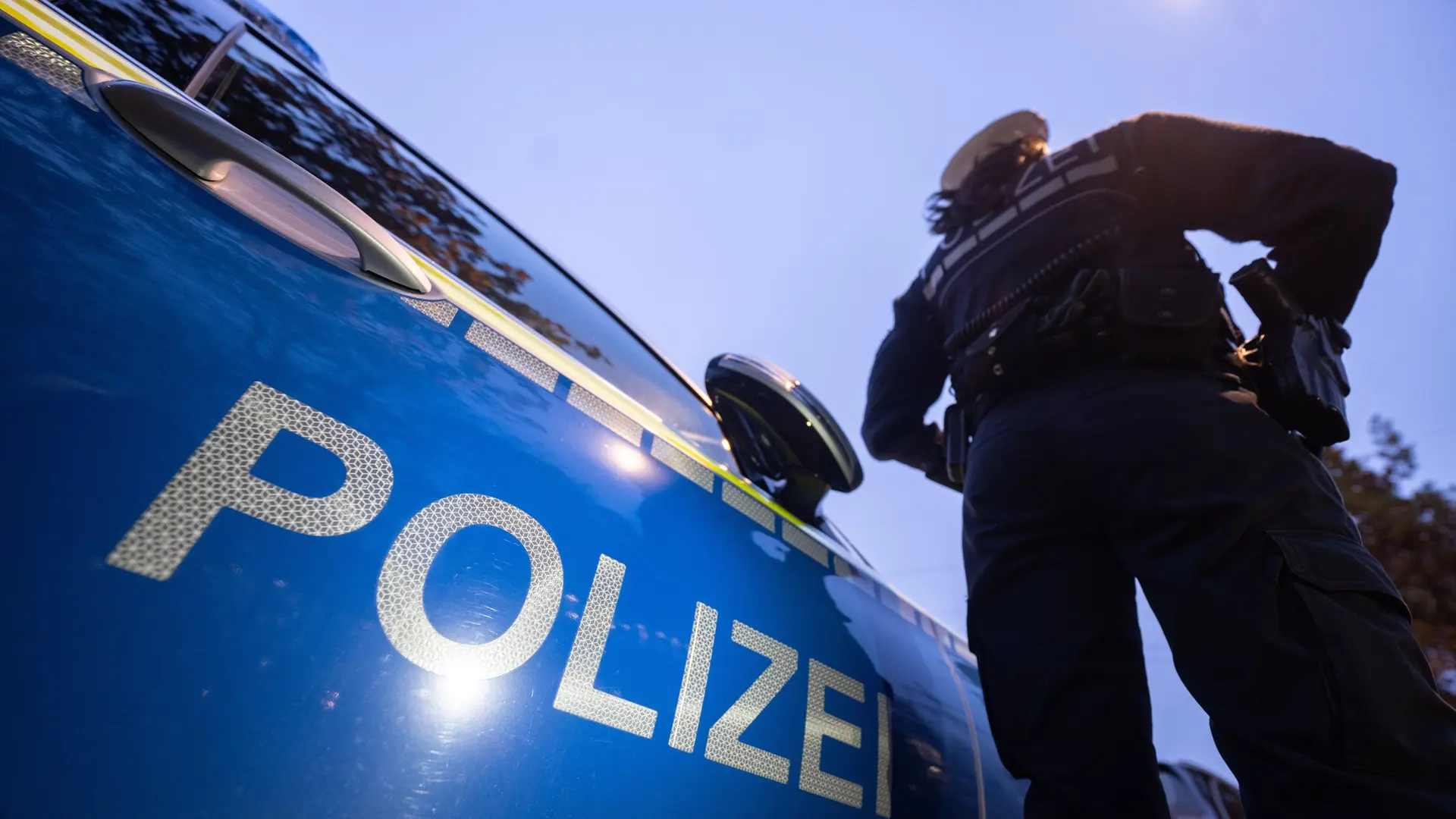
The suspect group, ranging in age from 11 to 17, has now been identified. The demographics of the group are as follows: six German nationals, two individuals from Syria, and one individual from Libya. Charges currently being prepared by the public prosecutor’s office include dangerous bodily harm and robbery.
Chronology of the Investigation
The path to identifying the perpetrators was complex, requiring a multi-layered approach to digital evidence.
Phase 1: Immediate Aftermath (Late September)
Following the report of the assault, the Chemnitz police department launched an investigation. Initial leads were limited, as the victims were unable to immediately identify their attackers due to the speed and chaotic nature of the assault. The focus shifted to surveillance technology.

Phase 2: Digital Footprint Analysis (Early October)
Investigators secured CCTV footage from the public transit bus that the suspects had used to flee the scene. This footage provided the first clear visual evidence of the group. Concurrently, police tracked the signal of the stolen €1,200 smartphone. The device eventually led them to a digital "paper trail."
Phase 3: The Turning Point – Self-Incrimination
In an act of profound arrogance, the suspects recorded videos of themselves boasting about the robbery using the very phone they had stolen. These videos, which circulated on social media, became the "smoking gun" for the police. Investigators utilized specialized facial recognition software to match the individuals in the smartphone videos with the faces captured on the bus surveillance cameras.
Phase 4: Identification and Confrontation (Late October)
By October 24, law enforcement had successfully matched the facial data across multiple platforms. With the identities confirmed, the police moved to formalize the investigation against the eight girls and one boy involved in the incident.

The Role of Advanced Technology in Modern Policing
The successful identification of the suspects highlights a growing trend in European law enforcement: the integration of Artificial Intelligence (AI) and facial recognition in routine criminal investigations.
For the Chemnitz Police Department, the use of these tools was not merely an option but a necessity. The group was composed entirely of minors, many of whom were not previously known to the authorities or were not easily identifiable through traditional fingerprinting or photographic databases.
The "specialized unit" mentioned by the police refers to a team of cyber-forensics experts trained to extract, process, and analyze video data under strict legal frameworks. By cross-referencing the bus footage—which was of varying quality—with the high-definition clips found on the stolen smartphone, the police were able to bypass the anonymity that the suspects believed they possessed.

Official Responses and Legal Implications
Police and Judiciary
The Chemnitz police have characterized the incident as particularly egregious, noting the "wanton violence" displayed by the group. Because the suspects are minors, the legal process will be handled under the Juvenile Courts Act (Jugendgerichtsgesetz), which prioritizes educational measures over strictly punitive incarceration, though the severity of the charges (dangerous bodily harm) may warrant stricter sentencing.
A spokesperson for the regional authorities stated, "The use of facial recognition was critical in this case. Without the ability to correlate the bus surveillance with the digital evidence found on the stolen device, it is highly likely that this group would have remained unidentified."
Societal Concerns
The case has sparked a wider conversation in the Chemnitz region regarding youth delinquency, the influence of social media on criminal behavior, and the integration of migrant youth into local society. The fact that the group consisted of a mix of German and foreign-born minors has led to intense debate in local municipal councils regarding social work, educational outreach, and the need for stronger youth supervision in public transit areas.

Implications for Public Safety and Privacy
The use of facial recognition in this instance has been widely lauded by victims’ rights groups as a necessary evolution in policing. However, it also raises questions regarding the balance between security and civil liberties.
The "Boasting" Factor
Criminal psychologists have noted that the tendency for young offenders to record their crimes for "clout" or social media validation is a relatively new, yet dangerous phenomenon. While this behavior makes the job of the police significantly easier by providing high-quality evidence, it also points to a psychological disconnect in the perpetrators. The desire for peer approval on social platforms appeared to override the fear of legal consequences.
Future of Transit Security
Following this incident, there have been calls for increased security presence at bus and train stations in the Kaßberg district. The city is now evaluating whether to upgrade existing surveillance infrastructure to include more high-resolution cameras that are better integrated with real-time analytics.

Conclusion: A Warning to Future Offenders
The incident at the Chemnitz bus stop serves as a stark reminder that in the modern digital age, the anonymity of the streets is increasingly an illusion. The swift identification of these nine minors by the Chemnitz police serves as a deterrent to other potential offenders who might believe that their digital actions occur in a vacuum.
As the case moves toward trial, the focus will remain on the rehabilitation of the minors and the pursuit of justice for the two women who were targeted. The outcome of this trial will likely set a precedent for how the state handles youth violence when it is documented and disseminated by the perpetrators themselves.
The Chemnitz community remains on edge, but the successful police intervention has provided a measure of relief, demonstrating that the authorities possess the technical capability to hold even the most tech-savvy youth accountable for their actions.

Statistical Overview of the Incident
- Location: Kaßberg, Chemnitz
- Date of Offense: September 19, 2026
- Number of Suspects: 9 (8 females, 1 male)
- Age Range: 11–17 years
- Primary Charges: Dangerous Bodily Harm, Robbery
- Evidence Sources: Public transit CCTV, Recovered smartphone, Social media self-incrimination videos
- Investigation Duration: 5 weeks
This report is based on information provided by the Chemnitz police and regional media reports as of October 24, 2026. The investigation is ongoing, and all suspects are presumed innocent until proven guilty in a court of law.