Introduction: The Modern Era of the Eagles
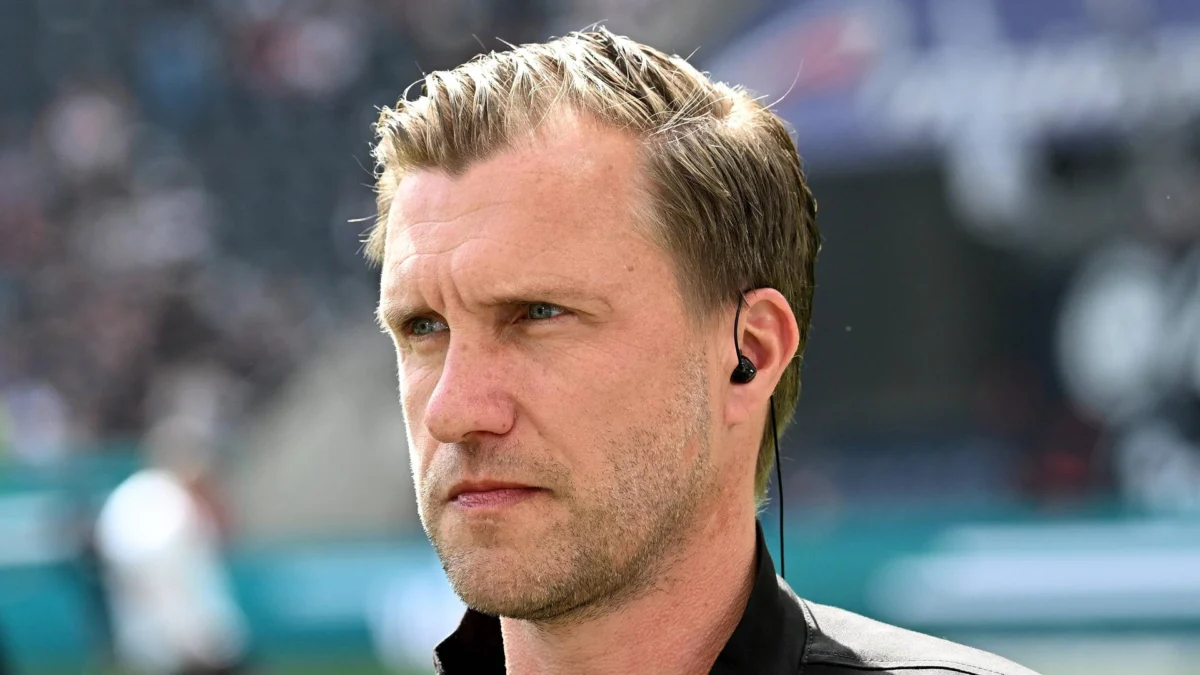
Eintracht Frankfurt has long been regarded as one of the sleeping giants of German football. With a fervent fanbase, a historic stadium that breathes history, and a recent track record of European success, the club stands at a pivotal juncture. Under the stewardship of Sportvorstand (Board Member for Sport) Markus Krösche, the club has undergone a radical transformation—moving from a team reliant on individual brilliance to a data-driven, sustainable enterprise.
As the Bundesliga continues to grapple with the dominance of Bayern Munich and the rising financial might of international investment, Frankfurt’s strategy serves as a compelling case study. This article explores the current state of Eintracht Frankfurt, the structural shifts behind the scenes, and what the future holds for the club as they strive to cement their position in the European elite.
The Core Facts: A Strategy of Sustained Growth
The overarching philosophy at Deutsche Bank Park has shifted from short-term glory to long-term stability. Since Krösche’s appointment, the club has focused on a "buy low, sell high" model that mirrors the success of clubs like Borussia Dortmund and Brighton & Hove Albion.
The Pillars of the Strategy:
- Scouting Network: Expansion of global scouting, specifically targeting under-represented markets in South America and Eastern Europe.
- Financial Discipline: Reducing the wage bill while maintaining a competitive squad depth, ensuring that European participation (or the lack thereof) does not destabilize the club’s balance sheet.
- Coaching Continuity: Providing managers with the resources to implement specific tactical identities, moving away from reactive coaching changes.
Chronology: The Road to the Present
To understand where Eintracht is going, one must look at the timeline of the last five years, a period defined by unparalleled highs and difficult transitions.
2021-2022: The Europa League Triumph
The crowning achievement of this era was undoubtedly the 2022 UEFA Europa League victory in Seville. Under Oliver Glasner, Eintracht captured the hearts of European football fans. The victory was not just a trophy; it was a financial and cultural catalyst that validated the club’s ambitious recruitment strategy.
2022-2023: The Champions League Reality Check
Stepping into the UEFA Champions League brought prestige but also exposed the squad’s limitations. The fixture congestion and the demands of top-tier European football tested the club’s depth, leading to a period of tactical experimentation and squad rotation that ultimately influenced Krösche’s decision to overhaul the personnel in subsequent windows.
2023-2024: The Era of Transition
This period was defined by the departure of key figures and the influx of young talent. The club focused on integrating players like Hugo Ekitiké and Omar Marmoush, aiming to create a dynamic, fluid attacking unit that could compete on three fronts.
2024-2025: Consolidation and Integration
The current season is marked by the maturation of the squad. With a solidified defensive structure and an emerging attacking core, Frankfurt is currently engaged in the fight for European qualification, balancing the tactical requirements of Dino Toppmöller’s system with the high expectations of the Frankfurt faithful.
Supporting Data: By the Numbers
Eintracht Frankfurt’s business model is backed by rigorous financial and performance metrics.
- Transfer Revenue: In the last three seasons, Frankfurt has generated over €200 million in transfer fees, largely through the high-profile sales of key stars. This capital has been reinvested into a younger, more balanced squad.
- Average Age: The squad has seen a decrease in average age from 27.2 years in 2021 to 24.8 years in 2024, signaling a commitment to long-term asset appreciation.
- Stadium Utilization: Frankfurt maintains one of the highest stadium attendance rates in the Bundesliga, with a consistent 98% occupancy, generating significant matchday revenue that insulates the club from market volatility.
Official Responses and Tactical Philosophy
Markus Krösche has frequently articulated his vision in board meetings and press briefings. "We are not trying to compete with the financial might of the state-backed clubs," Krösche noted in a recent stakeholder address. "We are competing through intelligence, superior scouting, and the unique emotional energy of our club. Our goal is to ensure that Eintracht Frankfurt is a permanent fixture in the top six of the Bundesliga, year after year."
Dino Toppmöller, the head coach, has emphasized the need for "tactical flexibility." His preference for a hybrid 3-4-3/4-2-3-1 formation allows the team to adapt to opponents, though he has acknowledged that the learning curve for young players remains the biggest hurdle to achieving absolute consistency.
Implications: The Road Ahead
The implications of Frankfurt’s current trajectory are twofold:
1. The Challenge of "Selling Club" Status
While the financial success is clear, the constant turnover of talent creates a "rebuilding fatigue" among fans. The club must balance the need for profit with the necessity of keeping a core group of players together long enough to challenge for silverware. If Frankfurt fails to retain its best talent, they risk being seen merely as a "stepping stone" club, which could dampen the club’s long-term ambitions.
2. The Bundesliga Landscape
As the league looks to increase its international appeal, clubs like Frankfurt are vital. Their ability to produce exciting football while maintaining financial health is exactly what the DFL (Deutsche Fußball Liga) wants to promote. Should Frankfurt secure a consistent Champions League spot, it would significantly increase their valuation and their ability to attract top-tier talent from across the globe.
Conclusion: A Club at the Peak of Its Potential
Eintracht Frankfurt is no longer a club content with simply participating. The leadership, the squad, and the fanbase are aligned in their desire to push the boundaries of what is possible. While the road ahead is fraught with the challenges of modern football—from financial fair play regulations to the constant poaching of talent—the foundation built by Krösche and his team is remarkably robust.
As the Bundesliga season reaches its business end, all eyes will be on the Eagles. Will they be able to translate their tactical improvements into tangible success, or will they once again have to recalibrate their ambitions in the face of domestic adversity? One thing is certain: in the world of Eintracht Frankfurt, the journey is just as electrifying as the destination. The club remains a beacon of passion, resilience, and strategic evolution in the heart of Germany, and the coming years promise to be the most definitive in their modern history.
With a clear vision, a dedicated scouting team, and an unshakeable connection to their community, Eintracht Frankfurt is not just chasing the top; they are building the infrastructure to stay there for the long haul. The "Eagles" are ready to fly, and the rest of Europe is taking notice.