A cancer diagnosis is often described by patients as a seismic event—a moment where the ground shifts beneath their feet and the familiar landscape of daily life is suddenly rendered unrecognizable. For Hannah Kössler, a Leipzig resident who faced a breast cancer diagnosis over two years ago, the experience was akin to being turned upside down and shaken. Yet, amidst the trauma and uncertainty, she discovered an anchor: the Leipzig-based association "Haus Leben."
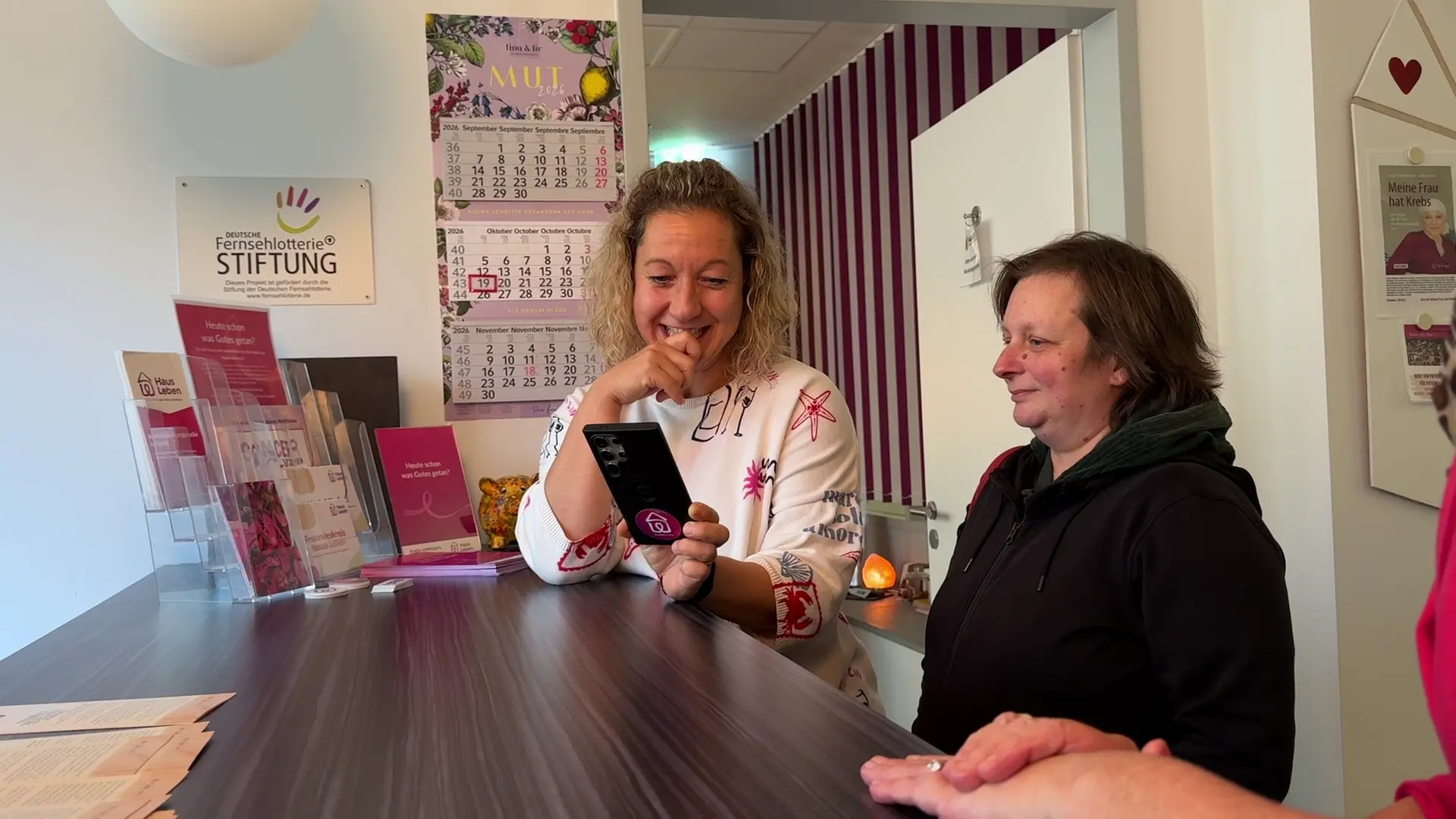
As the organization participates in the MDR SACHSEN competition, "Zuhause in Sachsen – vereint stark" (At Home in Saxony – United and Strong), it is timely to examine the vital role this institution plays in the lives of thousands, offering a sanctuary that transcends the clinical boundaries of hospitals.
The Human Impact: A Journey Through Diagnosis and Recovery
When Hannah Kössler received her diagnosis, the immediate impact was not just physical, but deeply psychological and familial. "The life as I knew it ceased to exist," she recalls. The disruption of her routine and the existential dread that accompanies such a diagnosis necessitated more than just chemotherapy or surgery; it required a space where the emotional fallout could be processed.
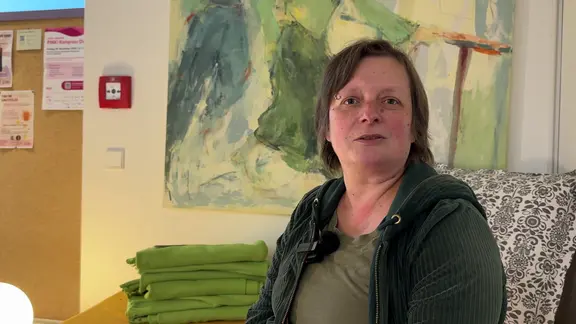
From the beginning, Kössler chose a path of radical transparency with her family and friends. "I realized that the fear had to be released; I had to talk about it," she explains. However, the most significant challenge was finding appropriate support for her two sons, then aged ten and 15. The search for a supportive environment led her to "Haus Leben." For many, like Kössler, the association has become more than a counseling center—it is a lifeline that has facilitated her journey toward being cancer-free. "I feel my strength returning," she says, noting that while she is now in remission, the resilience she cultivated within the walls of "Haus Leben" remains a cornerstone of her life.
A Multifaceted Approach: Beyond Medical Treatment
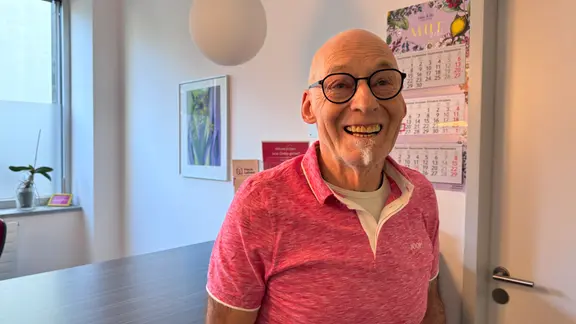
While medical oncology deals with the eradication of tumors, "Haus Leben" addresses the "human aftermath." Volker Große, a board member of the association, emphasizes that their mission is to support the holistic recovery of the patient. "We are an organization that cares for cancer patients and their relatives, offering a wide range of services intended to support the healing process," Große explains.
The association serves approximately 2,000 individuals annually from Leipzig and the surrounding regions. Its services are strategically non-medical, bridging the gap between clinical care and the necessities of daily living. These services include:
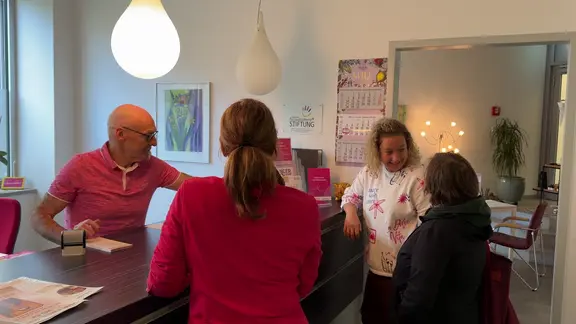
- Psychosocial Counseling: Helping patients navigate the mental health challenges of a life-threatening illness.
- Socio-legal Guidance: Assisting with the bureaucratic hurdles that often overwhelm patients who are already physically and emotionally exhausted.
- Holistic Therapies: Art therapy, yoga, and guided meditation groups that allow patients to regain a sense of agency over their bodies.
- The "Friesennest" Program: A specialized initiative providing psychological support for children whose parents are battling cancer—a demographic that is often overlooked in the clinical setting.
The Vital Importance of Support for Families
One of the most profound realizations within the oncology community is that a cancer diagnosis is a family disease. Große points out that relatives are often just as deeply affected as the patient, albeit in different ways. They serve as caregivers, emotional pillars, and often bear the brunt of the patient’s fear and pain. "In our view, relatives are just as affected by this disease as the patient," Große notes.

By providing a space for these families, "Haus Leben" prevents the isolation that frequently plagues cancer survivors and their loved ones. The community aspect—the ability to speak with others who are walking the same path—is, according to Kössler, one of the most invaluable assets of the center. "Everyone understands if you’re not having a good day, without needing to explain yourself," she says.
Raising Awareness: The Pink Shoe Day
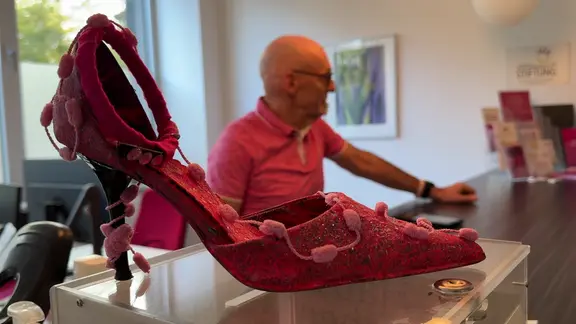
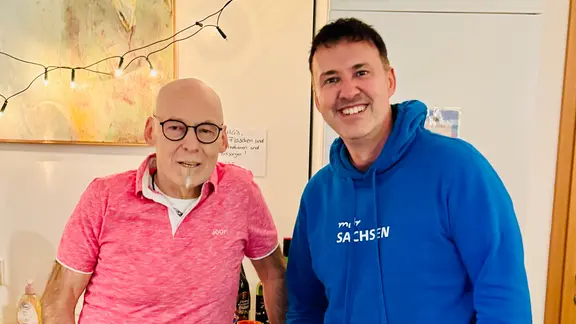
Among the association’s most visible public outreach efforts is the annual "Pink Shoe Day." This event is not merely a symbolic gesture; it is a strategic effort to destigmatize breast cancer and raise necessary funds. By placing pink-painted shoes in various public locations across Leipzig, the association creates a visual dialogue with the city, reminding the public that cancer is a lived reality for thousands of their neighbors. This public presence helps normalize conversations around the disease and encourages those in need to seek out the resources available to them.
The Economics of Empathy: Why Support is Still Needed
Despite the life-changing nature of their work, "Haus Leben" operates in a challenging financial landscape. Like many non-profits, the organization relies heavily on donations, sponsorship, and public support. The current participation in the "Zuhause in Sachsen – vereint stark" competition is an effort to raise both capital and awareness.
The need for increased visibility is a recurring theme in the association’s operations. "We have met many patients and relatives in recent times who have told us, ‘If only I had known you existed,’" Große laments. This underscores a significant gap in the healthcare system: while medical referral networks are robust, the connection between hospitals and psychosocial support services is often left to chance or word-of-mouth. By winning the MDR competition, "Haus Leben" hopes to bridge this gap, ensuring that no patient in the region has to navigate their journey in silence.
Implications for Future Healthcare
The model practiced by "Haus Leben" is increasingly recognized as a best practice in patient-centered care. As medical science makes strides in treatment protocols, the survival rates for many cancers have improved. This means that the number of people living with and after cancer is growing. Consequently, the demand for high-quality, long-term psychosocial support is at an all-time high.

The implications of this are clear: medical facilities cannot do it alone. The integration of community-based organizations into the standard of care is essential. When a hospital discharges a patient, their medical treatment may be underway, but their recovery is only beginning. "Haus Leben" proves that a society is strongest when it creates structures that allow for shared vulnerability and collective support.

Chronology of Care: The Patient Experience
To understand the value of "Haus Leben," one must look at the typical progression of a patient’s interaction with the organization:
- Initial Contact: Often initiated in a state of crisis, following a primary diagnosis. The focus here is on stabilization and immediate psychological support.
- Integration: The patient and their family are introduced to the variety of offerings—yoga for physical health, art therapy for emotional expression, and group counseling for social connection.
- Active Engagement: The patient begins to participate in specific programs, like the "Friesennest" for children, which provides stability and specialized counseling tailored to their developmental needs.
- Long-term Maintenance: As the patient moves into remission, the center continues to provide a "safety net," offering a space to manage the fear of recurrence and the long-term emotional scars of the treatment process.
Conclusion: A Call to Action
The story of "Haus Leben" is a testament to the idea that a community is only as strong as its most vulnerable members. By providing a sanctuary that treats the whole person rather than just the disease, the association has become an indispensable part of Leipzig’s social fabric.
As they compete for the "Zuhause in Sachsen" grant, they are not just asking for money; they are asking for a recognition of the work that remains hidden behind the scenes of every successful cancer treatment. For Hannah Kössler, and the thousands like her, "Haus Leben" was the difference between simply surviving and actually living.
As the region continues to support its local organizations, it is crucial to recognize that institutions like "Haus Leben" are not mere charities; they are essential infrastructure for public health. Their existence ensures that when the "earth shifts" for a patient, there is a foundation ready to catch them, hold them, and help them rebuild.