The medieval heart of the East Hessian town of Lauterbach, renowned for its timber-framed architectural heritage, remains a scene of devastation. Following a catastrophic fire that decimated several historic properties, the local administration has launched an urgent, multi-stakeholder initiative to salvage the town’s character and restore the livelihoods of those left homeless.
The flames have been extinguished, the smoking ruins stabilized, and the immediate physical danger to the public has been mitigated. Yet, the emotional and structural wounds inflicted upon Lauterbach’s historic center are deep. As the town begins the arduous transition from emergency response to reconstruction, the municipal government has taken the lead in coordinating what promises to be a complex, multi-year recovery effort.
The Round Table: A Catalyst for Reconstruction
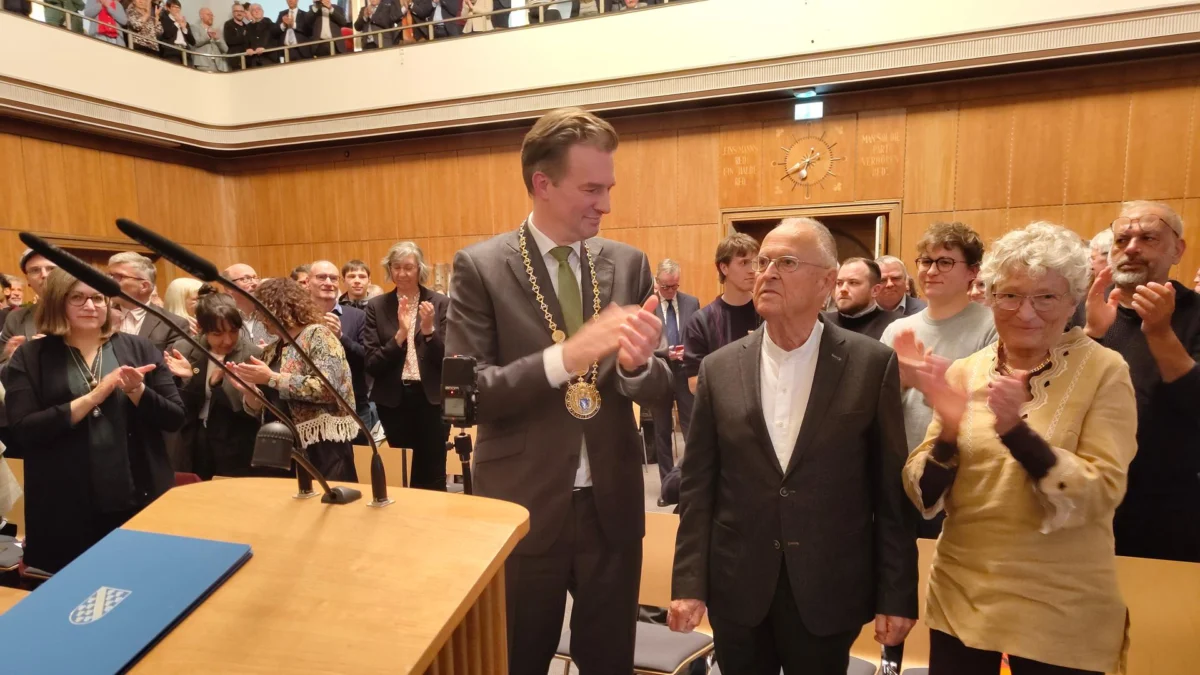
On Monday afternoon, the Lauterbach town hall became the epicenter of the recovery process. Mayor Holger Marx (CDU), who has been in office for only a few weeks, convened the first "Round Table" meeting. This strategic summit brought together a diverse group of stakeholders, including property owners, insurance representatives, local business owners, and technical experts from both municipal and district authorities.
The objective of the meeting was singular: to prevent the town’s historic core from becoming a permanent landscape of "fire ruins." Mayor Marx emphasized the need for unity, stating, "We have a shared damage situation. We want to avoid a scenario where Lauterbach is defined for years by boarded-up, dangerous skeletons of buildings."
By connecting the relevant parties early, the administration hopes to streamline the bureaucratic and financial hurdles that typically plague such large-scale reconstruction projects. "We want to ensure that no one is running toward the goal alone," Marx explained. The meeting was widely considered a constructive, if preliminary, success. The participants have already scheduled a follow-up session for mid-next week to maintain momentum.
Chronology of the Disaster and Immediate Aftermath
The fire, which broke out last Wednesday, rapidly escalated into a major emergency. The intensity of the blaze, which swept through centuries-old timber-framed buildings, triggered an enormous response from local firefighters, the Technical Relief Agency (THW), and medical services.
The Immediate Response
During the height of the crisis, the residents of the affected area were forced to evacuate under emergency conditions. The destruction was concentrated in the center of the Altstadt, with the fire believed to have originated in a building housing a restaurant on the ground floor. However, investigators note that it remains possible the fire ignited in the upper residential floors.
Stabilizing the Ruins
In the days following the suppression of the fire, engineers and construction experts worked around the clock to shore up the remaining structures. Because many of the buildings date back to the 17th and 18th centuries and carry heritage protection status, the structural integrity of the façades became a primary concern. Building Inspector Jörg Saller confirmed that while the interiors of several buildings were gutted, significant portions of the historic exterior façades were preserved, providing a glimmer of hope for future restoration.
Access and Recovery
By the end of the first week, residents were granted limited, supervised access to their former homes. Escorted by authorities, they were able to survey the extent of the damage to their personal belongings and recover essential items. For most, this was a heart-wrenching experience, but for seven individuals—including a family with young twins—there was no possibility of returning. Their living spaces were completely destroyed, and they have since been relocated to a local youth hostel.
Financial and Technical Assessment
The scale of the destruction is estimated at approximately five million euros. While this figure covers the immediate property damage, it does not account for the long-term economic impact on the local businesses forced to close their doors indefinitely.
The Investigation: Arson Ruled Out
A significant development in the investigation came on Monday, when police officials officially ruled out arson as the cause of the fire. The conclusion follows a rigorous forensic analysis conducted by the Criminal Investigation Department (Kripo) in collaboration with experts from the Hessian State Criminal Police Office (HLKA).
Despite this clarity, the definitive cause—whether a technical defect or human negligence—remains unknown. A police spokesperson described the investigation as "extraordinarily difficult" due to the size of the crime scene and the damage caused by the massive amounts of water used during the firefighting efforts. Forensic teams anticipate that it could be weeks or even months before a final report is issued.
Heritage and Preservation
The five buildings affected are all officially classified as protected monuments. This adds a significant layer of complexity to the reconstruction. The restoration must adhere to stringent historical preservation guidelines, which often require traditional craftsmanship and specific building materials. This is why the coordination at the Round Table is vital; the intersection of private insurance, heritage laws, and modern building safety codes requires a collaborative approach that the city is now actively facilitating.
Community Resilience: A Town Rallies
In the face of catastrophe, the community of Lauterbach has demonstrated profound resilience. The local administration reports that the solidarity shown by residents, business owners, and volunteers has been "remarkable."
During the days of the fire, the population provided food, water, and morale support to the exhausted emergency crews. This spirit of cooperation has since translated into tangible financial aid. An official donation account established by the town has already surpassed 50,000 euros.
Furthermore, local business owners have placed donation boxes in their shops, and various sports clubs have pledged proceeds from upcoming events to the recovery fund. Mayor Marx intends to honor this commitment to the community by hosting a "Helper Festival" on August 21, which will bring together approximately 450 people—including first responders and volunteers—to celebrate the town’s spirit of mutual aid.
Looking Ahead: The Path to Normalcy
Despite the gravity of the situation, the town is determined to signal that life goes on. Mayor Marx confirmed that the weekly market will take place on Thursday on the market square, directly in view of the fire site. "It is important that we return to a sense of normalcy," he stated.
The road ahead is undoubtedly long. The reconstruction of five historic, heritage-protected buildings requires not only financial capital but also patience and careful planning. The municipal government’s role will continue to evolve from emergency coordinator to long-term mediator.
Key Priorities for the Coming Months:
- Housing Solutions: The immediate priority remains finding long-term, stable housing for the seven individuals displaced by the fire. The city is actively assisting in this search.
- Structural Restoration: The next phase of the Round Table will focus on the legal and financial frameworks required for the reconstruction of the gutted structures.
- Economic Stabilization: Efforts to support the businesses directly and indirectly affected by the closure of the city center.
- Community Cohesion: Maintaining the momentum of public support and ensuring that the "Helper Festival" serves as a landmark for collective healing.
The fire in Lauterbach has indeed left a "deep wound" in the town’s skyline, but the proactive approach taken by Mayor Marx and the active participation of all stakeholders suggests that the town is not merely waiting for recovery—it is actively engineering it. While the charred beams and shattered windows serve as a painful reminder of the disaster, the ongoing efforts at the Round Table offer a blueprint for how a historic town can preserve its past while building a resilient future.
As the town approaches the next round of discussions, the focus remains firmly on the goal of ensuring that these historic buildings are not just memories, but living, functional components of the Lauterbach community once again.