Leipzig, Germany – October 11, 2026. The atmosphere inside the Leipzig Messehalle was electric this past Saturday as the world’s elite ballroom dancers gathered for the pinnacle of the competitive dance calendar: the World Championship in Standard Dance. In a display of technical precision, emotional depth, and rhythmic perfection, the Latvian pair Vadim Shurin and Anastasia Meshkova ascended to the top of the podium, capturing the gold medal and cementing their status as the preeminent force in contemporary international ballroom dancing.
For the capacity crowd in Leipzig, the event was more than a mere competition; it was a masterclass in athletic grace. The championship brought together the finest talent from across the globe, all vying for supremacy in the five classic disciplines that define the Standard category: the Slow Waltz, Tango, Viennese Waltz, Slowfox, and Quickstep.
A Night of Elegance and Athleticism: The Main Facts
The final rounds of the competition saw six pairs qualify for the ultimate showdown, each representing the highest caliber of artistic sport. From the opening strains of the Slow Waltz to the frenetic, high-energy finish of the Quickstep, Shurin and Meshkova demonstrated an unparalleled connection and technical consistency that set them apart from the field.
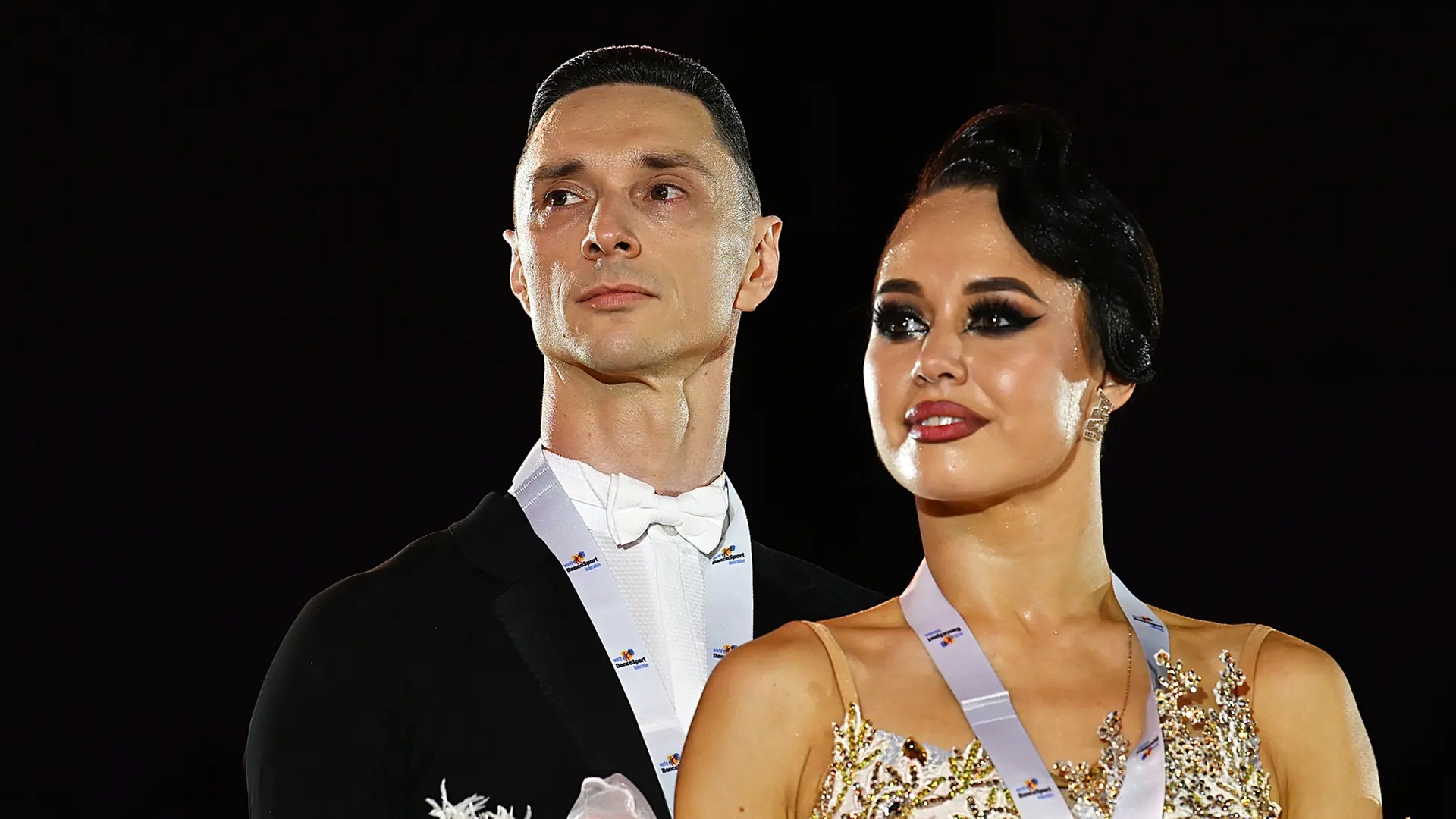
Their performance was defined by a seamless blend of traditional technique and modern flair. While many competitors struggled to maintain composure under the intense pressure of the judges’ scrutiny, the Latvian duo executed their routines with a level of calm and fluidity that captivated both the professional jury and the spectators in the hall.
The final rankings saw the Latvian pair take the gold, followed by the Lithuanian duo Edgaras Baltaragis and Indre Baltarage, who secured the silver medal after a fiercely contested series of rounds. The bronze medal was awarded to the Norwegian partnership of Jonas Alexander Pettersen and Kristy Puusepp, who delivered a technically rigorous performance that earned them high marks for musical interpretation.
Chronology of the Championship: The Road to the Title
The competition began early on Saturday, with dozens of international couples vying for a spot in the semi-finals. As the day progressed, the field was systematically narrowed through a series of heats that tested the dancers’ stamina, balance, and ability to improvise within the strict confines of their choreography.

By the evening session, the energy in the Leipzig Messehalle had reached a fever pitch. The final six couples entered the floor under the watchful eyes of the panel of experts, including renowned dance personalities and former champions. The structure of the finals required a rigorous test of versatility:
- Group Dances: The Slow Waltz, Viennese Waltz, and Quickstep were performed as group rounds, where the ability to navigate the crowded floor while maintaining impeccable posture and line was paramount.
- Solo Showcases: Perhaps the most challenging aspect of the final was the requirement for couples to perform the Tango and the Slowfox as solo routines. This format removed the safety net of the group, placing the dancers under a metaphorical microscope. It was here that Shurin and Meshkova truly distinguished themselves, showcasing the intricate footwork and dramatic storytelling that would eventually sway the jury in their favor.
Supporting Data: The Evolution of a Champion
The victory in Leipzig was not a stroke of luck, but the culmination of years of dedicated training and international experience. For Shurin and Meshkova, this championship win is the natural progression of a trajectory that has been pointing toward the top for quite some time.
Industry analysts and dance observers had identified the pair as the heavy favorites entering the competition. Their reputation was solidified at the 2025 World Championships in Tokyo, where they claimed the silver medal. That experience in Japan—an event marked by a narrow loss to the eventual champions—served as the primary catalyst for their performance this weekend.

Statistical analysis of their performance in Leipzig indicates that they achieved the highest scores in the "floorcraft" and "musicality" categories. Their ability to adapt their movement to the tempo of the music, particularly during the complex shifts in the Slowfox, allowed them to maintain a lead that their competitors could not overcome.
Expert Commentary: The Jury’s Perspective
The tournament was hosted with an expert touch, featuring commentary from prominent figures in the dance world, including Joachim Llambi and Oliver Thalheim, who moderated the proceedings alongside presenter Mo Krüger. Their insights provided the audience with a deeper understanding of the technical nuances that separate a good performance from a championship-winning one.
Joachim Llambi, known for his uncompromising standards, noted during the broadcast that the competition was "exceptionally tight," highlighting that the difference between the gold and bronze medalists came down to "a matter of millimetres in frame maintenance and timing."
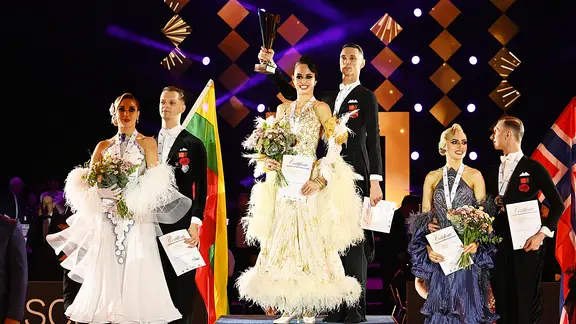
The lack of a German pair in the final, while disappointing for the local audience, did not dampen the spirit of the event. The crowd remained appreciative of the high-quality performances, acknowledging that the global nature of the sport means that the title will continue to rotate among countries that invest heavily in elite dance training programs.
Implications for the World of Ballroom Dance
The crowning of Shurin and Meshkova as the new world champions carries significant implications for the landscape of competitive dancing. Firstly, it reaffirms the dominance of Eastern and Northern European nations in the Standard category. The sport has seen a shift in the last decade, with countries like Latvia, Lithuania, and Norway consistently producing world-class athletes who dominate the podiums at both European and global events.
Secondly, the event in Leipzig highlighted the changing nature of the sport. Modern Standard dance is becoming increasingly athletic. While the aesthetic requirements of the Waltz and the Tango remain rooted in history, the physical stamina required to perform at this level today is comparable to that of any professional sport. The dancers are no longer just artists; they are endurance athletes, capable of maintaining perfect form while under extreme aerobic load.

The successful organization of the event in Leipzig also signals the city’s growing importance as a hub for international sporting events. The facility at the Leipziger Messe proved more than capable of handling the logistical demands of a global championship, including the complex lighting and sound setups required to create the appropriate atmosphere for such a prestigious gathering.
Looking Ahead: The Future of the Discipline
As the dust settles on the Leipzig stage, the international dance community is already looking forward to the 2027 season. The success of the Latvian duo will undoubtedly put a target on their backs, and the next cycle of qualification events will be watched closely to see if they can maintain their momentum or if the Lithuanian and Norwegian pairs can bridge the gap in the coming year.
Furthermore, the conversation regarding the inclusivity and accessibility of the sport continues. As global interest in ballroom dancing grows—partly due to the visibility of televised dance competitions—there is a push to standardize training across more regions, potentially bringing more diverse competitors to the world stage in the years to come.
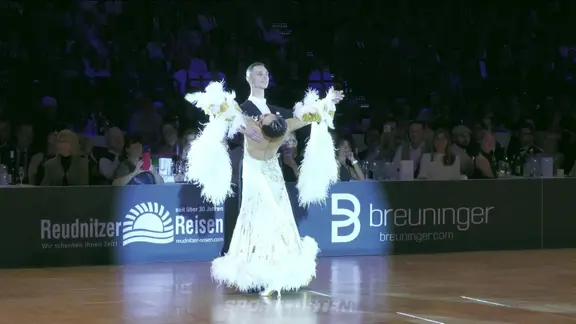
In conclusion, the 2026 World Championship in Leipzig will be remembered as a triumphant night for Vadim Shurin and Anastasia Meshkova. Their victory was a testament to the power of perseverance, technical excellence, and the enduring beauty of the Standard dances. For those in attendance, it was a reminder of why ballroom dancing continues to captivate audiences worldwide: it is a unique intersection of human movement, musical emotion, and the unrelenting pursuit of perfection.
As the athletes depart Leipzig and return to their respective training centers, they leave behind a standard of excellence that will serve as the benchmark for the sport for the foreseeable future. The world of ballroom dance moves forward, richer for the performance witnessed in Germany, and eagerly anticipating the next chapter in this unfolding saga of artistic competition.