

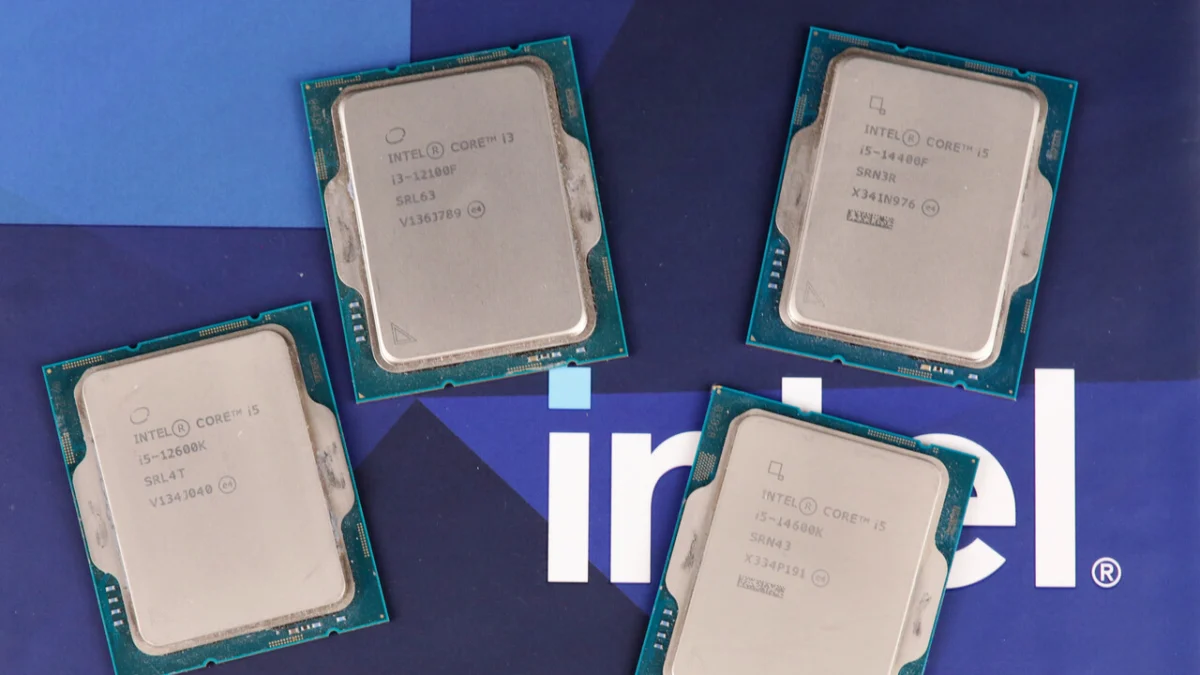
In an industry defined by relentless innovation and planned obsolescence, the lifecycle of a CPU socket typically spans two to three years. However, Intel’s LGA1700—a platform that debuted in 2021 with the Alder Lake architecture—is defying the laws of tech attrition. In a move that has surprised hardware enthusiasts and market analysts alike, Intel is preparing to release a fresh wave of processors for this five-year-old socket in early 2027. This development has been confirmed by motherboard giant Gigabyte, signaling that the "eternal" socket still has a role to play in the budget and mid-range PC market.
Main Facts: A New Chapter for LGA1700
The confirmation arrives via official channels from Gigabyte, which has announced comprehensive BIOS support for its B760 and H610 motherboard lineups to accommodate "upcoming LGA1700 processors." While the silicon giant itself has remained relatively tight-lipped regarding the specific nomenclature, the industry consensus points toward a further refinement of the long-standing Raptor Lake architecture, likely branded under the "Core 200" series.
For users currently operating on systems built around the 12th, 13th, or 14th generation of Intel processors, this announcement provides a rare opportunity to extend the longevity of their existing hardware. By simply updating the motherboard firmware, owners of B760 and H610 boards will be able to drop in new, albeit familiar, silicon. This strategy positions the LGA1700 as one of the most enduring platforms in modern consumer computing, rivaling the legendary longevity of AMD’s AM4 socket.
A Chronology of the LGA1700 Legacy
To understand the significance of this 2027 release, one must look back at the platform’s trajectory:
- Late 2021: Intel introduces the LGA1700 socket alongside the 12th Gen "Alder Lake" processors, marking a massive architectural shift to a hybrid performance/efficiency core design.
- Late 2022: The 13th Gen "Raptor Lake" processors arrive, continuing the LGA1700 support and cementing the platform’s popularity.
- Late 2023/Early 2024: The "Raptor Lake Refresh" (14th Gen) is released, pushing the limits of the platform’s clock speeds and power consumption.
- 2025–2026: While the industry shifts focus to newer sockets, the LGA1700 remains the backbone of the budget-conscious DIY market and pre-built commercial office sector.
- Early 2027 (Projected): Intel prepares to launch the "Raptor Lake Next" iteration, ensuring that even systems built six years prior remain technically "upgradable."
This timeline highlights an unusual trend: instead of abandoning older infrastructure, Intel is leaning into the established base of the LGA1700, likely driven by the persistent demand for cost-effective, high-efficiency computing solutions.
Supporting Data: What to Expect from "Raptor Lake Next"
Technical leaks and supply chain intelligence have provided a glimpse into the configuration of these upcoming chips. Industry insider and leaker jaykihn0 has provided detailed specifications suggesting that these new SKUs will focus on filling specific performance gaps rather than breaking new architectural ground.
The rumored lineup includes:
- C7 Model: 8 Performance cores + 12 Efficiency cores, 65W TDP.
- C5 Model (Configuration A): 8 Performance cores + 8 Efficiency cores, 125W TDP.
- C5 Model (Configuration B): 6 Performance cores + 4 Efficiency cores, 65W TDP, with an expanded 24MB L3 cache.
- C3 Model: 4 Performance cores, 65W TDP.
The inclusion of the 6+4 core configuration with 24MB of L3 cache is particularly notable. It represents a new, optimized configuration for the entry-level segment, distinguishing itself from the older 13490F and 14490F chips by including integrated graphics. These specifications suggest that Intel is targeting the "sweet spot" of the budget market—users who need modern, reliable performance for general tasks and light gaming but do not require the cutting-edge features of the latest high-end platforms.
Official Responses and Gigabyte’s Strategic Move
Gigabyte’s announcement on October 9, 2026, serves as the primary catalyst for this news. In their statement, the company emphasized that they are ensuring "fresh performance" for an "established platform."
"Gigabyte users can be ready from day one," the company stated, emphasizing their commitment to the B760 and H610 chipset series. By providing support for both DDR4 and DDR5 memory modules across their entire portfolio, Gigabyte is ensuring that even users on older, DDR4-based systems are not left behind. This is a critical move for a market that is increasingly sensitive to the total cost of ownership. Replacing an entire motherboard and RAM kit is a significant barrier to entry for many consumers; a simple BIOS flash and a new CPU is a much more palatable upgrade path.
Implications: The Evolution of the "Budget" Market
The decision to keep the LGA1700 alive until 2027 carries several profound implications for the PC hardware ecosystem:
1. The Death of Planned Obsolescence?
For years, enthusiasts have criticized manufacturers for forcing platform changes every few generations. Intel’s pivot to supporting the LGA1700 well into its sixth year suggests a shift in strategy. By catering to the "long-tail" of the user base, Intel is fostering brand loyalty among users who value stability and low cost over having the absolute latest I/O standards or chipset features.
2. The Pre-Built PC Market
One of the primary beneficiaries of this move will be the pre-built PC industry. System integrators (SIs) often rely on stable, proven platforms to build mid-range office and gaming machines. With the LGA1700, they have a massive ecosystem of affordable motherboards and mature BIOS software. Offering a "new" CPU on this platform allows them to market a "2027 PC" without the R&D overhead of migrating to a brand-new, unproven platform.
3. Comparison with AMD’s AM4 Success
Intel’s strategy mirrors the surprising success of AMD’s AM4 socket. AMD recently released the "Ryzen 7 5800X3D Anniversary Edition" for the decade-old AM4 platform, which became an instant bestseller. The success of that product proved that a large segment of the population is perfectly content with older motherboard technology as long as the CPU provides a tangible performance boost. Intel is clearly looking to replicate this success, albeit with a focus on entry-level and mid-range "Core 200" chips rather than enthusiast-grade gaming processors.
4. Technical Stagnation vs. Practicality
Critics might argue that these new processors are merely "old wine in new bottles." With no new stepping expected and no significant architectural changes over the Raptor Lake Refresh, users should not expect a performance revolution. These chips will likely offer incremental efficiency improvements and clock speed optimizations. However, for a user currently running a 12th Gen i3, moving to a modern 2027-era "Core 200" mid-range chip could result in a massive jump in multitasking capability and system responsiveness.
Conclusion: A Rational Choice for the Pragmatic User
As we approach 2027, the hardware landscape looks significantly different than it did when the LGA1700 first launched. While the high-end enthusiast market will undoubtedly migrate toward the latest architectures, the "workhorse" sector of the PC market remains firmly rooted in older standards.
Intel’s decision to keep the LGA1700 alive is a pragmatic acknowledgment of this reality. It provides a bridge for millions of users who are not yet ready to commit to a full platform overhaul. Whether this move is driven by genuine altruism toward the consumer or simply a desire to maximize the return on the 10nm process node is secondary; the end result is a win for the consumer who values sustainability, cost-effectiveness, and the ability to breathe new life into an aging, but capable, machine.
As Gigabyte and other motherboard manufacturers prepare their BIOS updates, the message to the market is clear: sometimes, the best upgrade is not the one that changes everything, but the one that ensures what you already have remains relevant for years to come.





















