

Apple is preparing for a blockbuster autumn, as the tech giant gears up for an aggressive double-header of product launches. Following the official announcement of a "Welcome Home" event slated for October 13 in New York, market speculation has shifted into overdrive. While the October 13 event is expected to focus heavily on the smart home segment—specifically new iterations of the HomePod and a refreshed Apple TV—industry analysts and supply chain reports suggest that the true heavy hitters of the year will debut just two weeks later, on October 27.
If the latest intelligence from Bloomberg and industry insiders holds true, Apple is poised to introduce a massive refresh to its computing and tablet lineup, headlined by the debut of the M6 silicon, the integration of OLED technology into the MacBook Pro line, and a highly anticipated overhaul of the iPad mini.
Main Facts: The October Roadmap
The dual-event strategy reflects a tactical shift for Apple, allowing the company to dedicate specific airtime to its smart home ambitions before pivoting to its professional-grade hardware.
The October 13 "Welcome Home" Event
This event is expected to prioritize the "Home" ecosystem. With smart home competition heating up, Apple is reportedly looking to refine the HomePod lineup to offer better integration with the Matter protocol and potentially new interactive display features. The Apple TV, which has seen iterative updates in recent years, is rumored to receive a processor bump to better handle the demands of modern cloud gaming and AI-driven home automation.
The October 27 Pro-Hardware Showcase
This is the core of the excitement. According to reports, Apple will unveil:
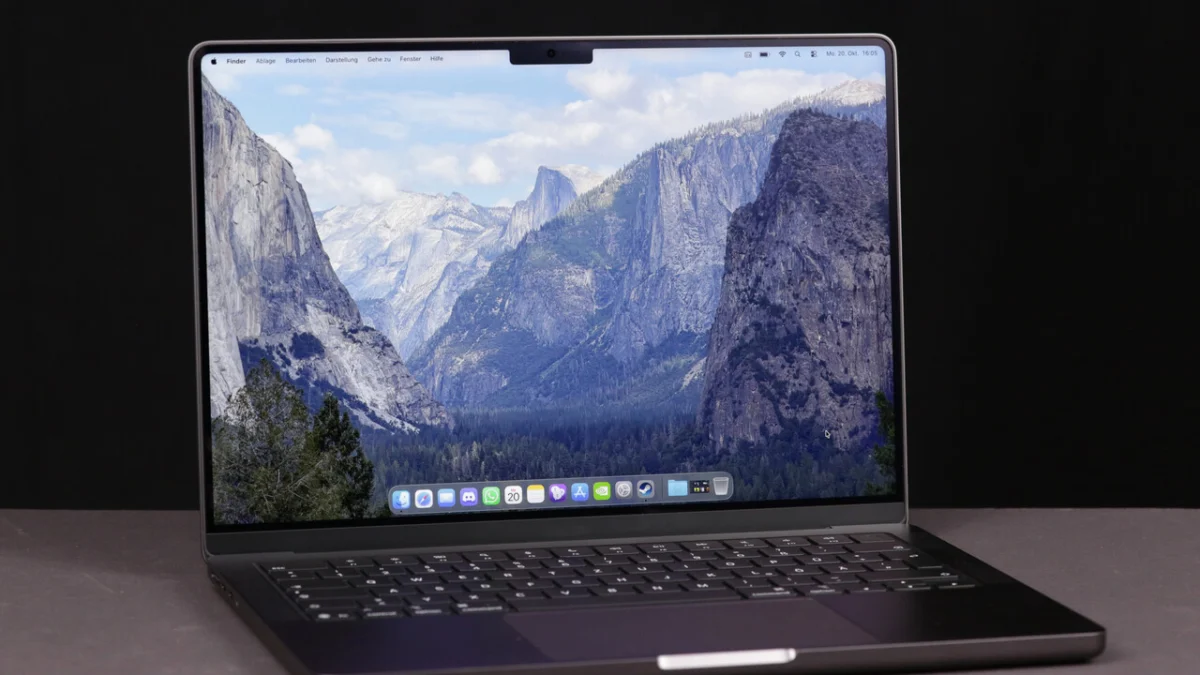
- MacBook Pro (14-inch & 16-inch): Featuring the debut of the M6 chip and, significantly, an OLED touchscreen panel.
- iMac: A complete refresh utilizing the M6 architecture.
- iPad mini: A long-awaited update incorporating an OLED display, the A20 Pro chip, and a redesigned camera configuration.
Chronology: From Rumor to Reality
The transition of these products from concept to reality has been a long-standing narrative in the tech industry.
- Late 2023: Early whispers regarding the "M6" architecture began to surface, suggesting that Apple’s silicon team was prioritizing efficiency and thermal management for thin-and-light form factors.
- Early 2024: Patents surfaced indicating Apple was exploring flexible OLED display technology for laptops, specifically focusing on tactile feedback or "touch-sensitive" top-cases.
- September 2024: Definitive leaks regarding the iPad mini began to emerge, highlighting the jump to the A20 Pro chip—a move intended to make the smallest tablet in the lineup capable of handling advanced on-device AI tasks, such as those found in the latest OS iterations.
- October 2024: The formal invitation for the "Welcome Home" event arrived, confirming Apple’s focus on the smart home, while supply chain sources confirmed the October 27 date for the pro-computing announcement.
Supporting Data: Technical Shifts and Design Philosophy
The leap to the M6 chip is arguably the most critical component of this refresh. Following the performance gains seen with the M4 and M5, the M6 is expected to leverage a more advanced manufacturing process (likely a refined 2nm node). This will allow for higher transistor density, translating into significant performance-per-watt improvements.
The OLED Touchscreen Paradigm
The inclusion of an OLED touchscreen in the MacBook Pro is a monumental shift for Apple. Historically, the company has resisted touchscreens on macOS, citing ergonomic concerns. However, the move toward OLED—which provides deeper blacks, higher contrast ratios, and better power efficiency—suggests that Apple has developed a refined interaction model.
Bloomberg notes that these new MacBook Pros will remain within the "Pro" branding, dispelling rumors of a potential "MacBook Ultra" moniker. By shifting to OLED, the internal architecture becomes more space-efficient, allowing for a thinner chassis and lighter weight without sacrificing battery life.
The iPad mini Overhaul
The iPad mini has long been a niche product, but the inclusion of an OLED panel and an A20 Pro processor effectively turns it into a high-performance portable computer. The relocation of the front-facing camera to the landscape side is a direct response to user feedback, acknowledging that most users consume media and engage in video calls while holding the tablet horizontally.
Official Responses and Market Positioning
To date, Apple has maintained its customary silence regarding unreleased hardware. However, the "Welcome Home" invitation serves as the official starting gun. Market observers note that by splitting the events, Apple is attempting to decouple its consumer-facing smart home business from its high-margin professional computing business.
Analysts suggest that this strategy is designed to maximize the "Holiday Season" impact. By launching these products in late October, Apple ensures that stock is readily available in major retail channels by mid-November, perfectly timed for the peak Black Friday and Christmas shopping frenzy.
Production and Logistics
The logistical challenge of launching three major hardware lines simultaneously is significant. Apple’s supply chain, particularly in Vietnam and China, has been operating at high capacity to ensure that these units are ready for shipping. The move to pre-recorded event videos—a standard practice since the pandemic—allows for a tightly controlled, high-production-value demonstration of these new features, which will be followed by hands-on opportunities for press in select locations.
Implications: What This Means for the Industry
The shift to the M6 chip and the adoption of OLED displays across multiple categories have profound implications for the broader tech market.
1. The Death of the "Touchscreen" Taboo
If Apple successfully integrates a touchscreen into the MacBook Pro, it sets a precedent that will force Windows laptop manufacturers to compete on a new level of display quality. It acknowledges that the professional user wants more flexibility, not less.
2. The AI-Driven Hardware Cycle
The inclusion of the A20 Pro in the iPad mini and the M6 in the Mac lineup is fundamentally about AI. As Apple expands its suite of intelligent features, the hardware requirements to run these models locally are increasing. By providing this hardware now, Apple is "future-proofing" its entire ecosystem against the rapid advancements in machine learning.
3. Consolidation of the Mac Lineup
With the M6 iMac and the new MacBook Pros, Apple is standardizing its professional hardware. This simplification of the product stack—where the silicon is consistent across form factors—reduces manufacturing complexity and simplifies the software update cycle for developers.
4. Economic Strategy
By maintaining the "Pro" branding, Apple protects its pricing power. The expectation is that the new OLED MacBook Pros will command a premium, but the company is betting that the combination of portability and performance will justify the investment for creative professionals.
Conclusion
As the clock ticks down to October 13 and subsequently October 27, the tech world is witnessing the next evolution of the Apple ecosystem. The move from the M5 to the M6, the integration of OLED panels, and the refinement of the iPad mini are not just iterative updates; they are strategic maneuvers to maintain dominance in a market increasingly focused on efficiency, AI, and versatility.
Whether these devices will live up to the lofty expectations of the rumors remains to be seen. However, one thing is clear: Apple’s late-year offensive is designed to remind the world that when it comes to the intersection of hardware and user experience, they remain the company to beat. As we approach the holiday season, the tech landscape is set for a major, and likely expensive, transformation.




















