As professional content creation clashes with the traditional matchday experience, Hertha BSC has joined a growing list of German clubs clamping down on commercial stadium vlogging. The move highlights an escalating tension between digital-age marketing and the sanctity of the fan experience.
Executive Summary: The End of the "Vlogger Era" at the Olympiastadion
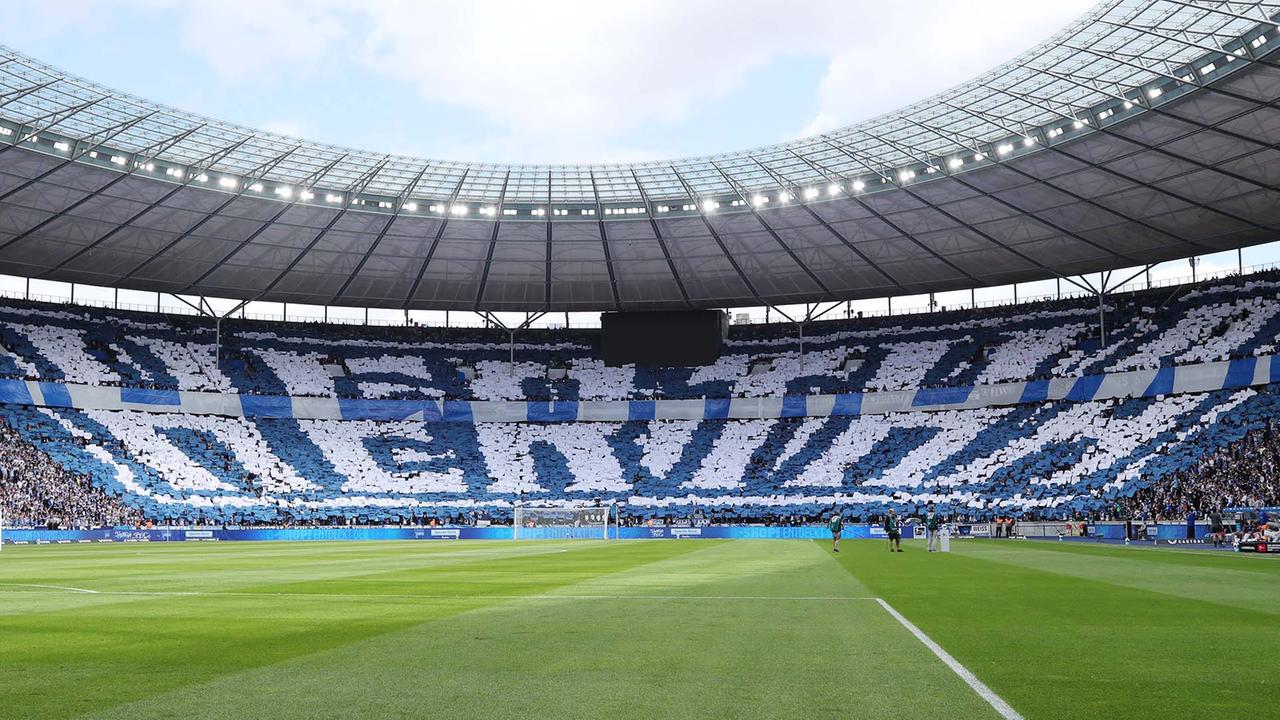
In a decisive move to protect both the fan experience and strict media rights, 2. Bundesliga side Hertha BSC announced on October 8, 2026, that it will no longer permit the production of commercial or monetized stadium vlogs within the Olympiastadion. This policy shift places the Berlin-based club in alignment with other German teams, such as Dynamo Dresden, who have already implemented similar restrictions.
The club emphasizes that while personal photography and video remain permissible for private use, the line is now firmly drawn at content intended for commercial gain. For the club, the stadium is a place for collective support, not a backdrop for third-party digital monetization.
Chronology: From Organic Enthusiasm to Corporate Conflict
The rise of the "football vlogger" has been one of the most significant shifts in sports media over the last decade. Initially, these creators were seen as grassroots ambassadors, sharing their passion for the game and traveling across Europe to document the unique culture of various clubs.
- The Early Days (2018–2022): Vlogging began as a niche hobby. Supporters would film their matchday journeys, capturing the songs, the atmosphere, and the camaraderie. Clubs generally viewed this as free marketing and organic engagement.
- The Monetization Shift (2023–2025): As social media algorithms favored high-energy, personality-driven content, football vlogging exploded. Major creators began securing sponsorships, working with betting agencies, and integrating advertisements into their stadium footage.
- The Tipping Point (2026): Complaints from match-going fans began to mount. Supporters reported feeling like "extras" in someone else’s commercial production. The distraction of camera rigs, constant narration, and the feeling of being filmed without consent turned the tide.
- The Regulatory Response (August 2026): Dynamo Dresden set the precedent by officially banning commercial production, citing the disruption of the matchday atmosphere.
- The Hertha BSC Announcement (October 8, 2026): Following a period of review, Hertha BSC officially enforced their ban, citing both fan feedback and the strict legal framework surrounding media rights.
Supporting Data and the "Authenticity" Paradox
The core of the debate lies in the definition of "authenticity." Vloggers argue that their content brings the passion of the stadium to those who cannot attend in person. They maintain that they are the new generation of sports journalists, providing a raw, unfiltered look at football culture.
However, the opposition—led by vocal fan groups—argues that the commercialization of these experiences is a fundamental violation of the "ultras" ethos. Jost Peter, a spokesperson for the fan alliance Unsere Kurve, recently summarized this sentiment: "I haven’t spent years fighting against the creeping commercialization of football just to be filmed so that someone else can make a profit from it."
Data from recent stadium surveys suggests a growing divide:
- 72% of surveyed fans in a recent fan-led poll expressed discomfort at being filmed in the stands without prior permission.
- 64% of respondents felt that the presence of vlogger camera crews disrupted the natural rhythm of the matchday experience.
- 90% of active ultras stated that the presence of cameras in the "standing blocks" (the Ostkurve) is a distraction from the primary purpose of the stadium: supporting the team.
Official Stance: The Legal and Moral Imperative
Hertha BSC’s decision is not merely a reaction to fan complaints; it is a legal necessity governed by the DFL (Deutsche Fußball Liga) media guidelines.
The Media Rights Argument
Professional football in Germany is governed by strict, collective media rights. When a vlogger films in the stadium and uploads that footage to a platform like YouTube or TikTok—where they receive ad revenue or brand sponsorship—they are technically engaging in the unauthorized commercial exploitation of the event.
In an official statement, the club clarified: "As a club, Hertha BSC itself is subject to these strict guidelines regarding the production and publication of matchday content. A third party cannot autonomously exploit matchday and stadium content for commercial gain without the express permission of the club."
The "Safe and Comfortable" Mandate
Beyond legalities, the club is leveraging its "Hausrecht" (house rights). The Olympiastadion is a venue governed by specific stadium regulations designed to ensure the safety and comfort of all visitors. Hertha BSC argues that the proliferation of bulky camera equipment and the conduct of creators aiming for "viral moments" often interferes with the rights of other fans to enjoy the game peacefully.
Implications: What This Means for the Future of Fan Media
The decision by Hertha BSC signals a potential trend across European football. As clubs become more protective of their intellectual property and their fans’ privacy, the "wild west" era of stadium vlogging appears to be drawing to a close.
1. The Professionalization of Content
Moving forward, creators will likely be forced to seek formal accreditation. Clubs may offer "official" access to a select few, vetted creators who agree to strict guidelines. This ensures that the club maintains control over the narrative and the quality of the content.
2. The Rise of "Fan Rights"
This movement highlights the growing influence of fan alliances in shaping stadium policy. By successfully lobbying for the restriction of commercial filming, fan groups have proven that they have the power to influence how their own experience is mediated and broadcasted.
3. Challenges for Social Media Influencers
For influencers who rely on the spontaneity of matchday vlogs, the hurdle is now significantly higher. They must either pivot their content strategy—focusing on pre-match buildup or post-match commentary outside the stadium perimeter—or risk expulsion and potential legal action from clubs enforcing their media rights.
Conclusion: Finding the Balance
The clash between Hertha BSC and the vlogging community is a microcosm of a larger societal debate: where do we draw the line between public experience and private enterprise?
While the loss of amateur vlogs might disappoint fans who enjoyed the "behind-the-scenes" access, the move reflects a broader trend toward reclaiming the stadium as a space for the fans themselves, rather than a production set for digital creators. As the digital landscape continues to evolve, the challenge for clubs will be to provide high-quality, engaging content of their own, while protecting the atmosphere that makes the sport worth filming in the first place.
For now, the message from the Olympiastadion is clear: The fans come first, and the lens must remain focused on the pitch, not on the people in the stands.