By Investigative Desk
October 7, 2026
The German Federal Intelligence Service (Bundesnachrichtendienst, BND) is currently reeling from what experts are calling the most significant internal security failure in the agency’s post-war history. Just as current BND President Martin Jäger appeared to be steering the service toward a new era of transparency and operational focus, a seismic scandal involving his predecessor has shattered the agency’s credibility.
On October 6, 2026, the German security establishment was rocked by the arrest of August Hanning, the former President of the BND (1998–2005). Hanning, once considered a titan of the German intelligence community, was taken into custody in North Rhine-Westphalia following a warrant issued by the Federal Public Prosecutor General. His arrest—and the simultaneous detention of a long-time associate and former BND staffer—has opened a Pandora’s box of allegations regarding systematic espionage, the abuse of state secrets, and a potential, catastrophic loss of trust among Germany’s closest international partners.
The Anatomy of the Betrayal: Key Facts
The investigation centers on a decade-long breach of security that saw approximately 2,000 highly classified documents funneled from the inner sanctum of the BND into the private sphere.
The primary suspects are:
- August Hanning (80): Former BND President, accused of leveraging state secrets for private commercial gain.
- Manfred D.: A former high-ranking BND official who served as a chief of staff to multiple BND presidents, including Hanning.
According to preliminary findings from the Federal Prosecutor’s office, Manfred D. allegedly acted as the conduit, systematically siphoning off "Classified – Top Secret" documents between 2010 and 2022. The material included sensitive briefings prepared for the BND leadership’s weekly "Intelligence Situation Report"—the most guarded strategic assessment produced by the agency.
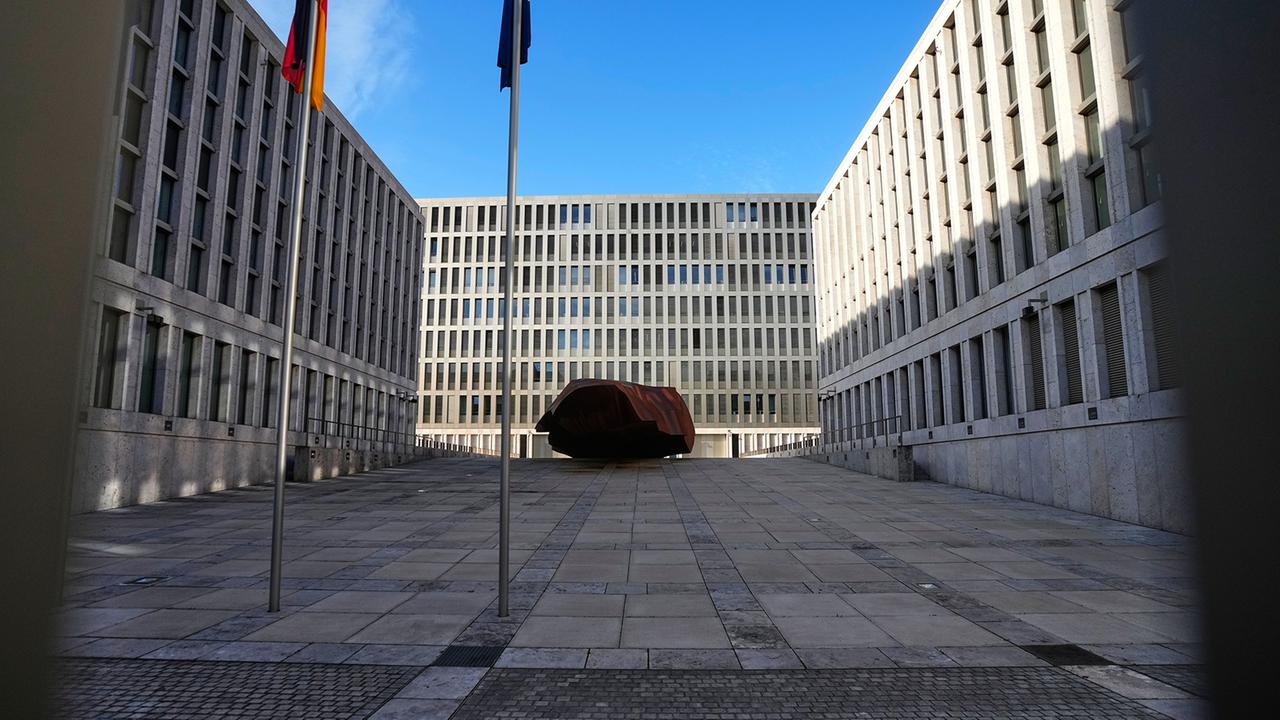
The gravity of the situation cannot be overstated. These documents were not mere administrative files; they represented the core of Germany’s foreign intelligence gathering, including assessments of geopolitical hotspots, military vulnerabilities, and sensitive intelligence shared by Five Eyes and EU partner services.
A Chronology of Concealment
The timeline of this breach suggests a calculated, long-term operation that successfully bypassed the BND’s internal security protocols for over twelve years.
- 1998–2005: August Hanning serves as President of the BND, during which time he cements his relationship with Manfred D.
- 2009: Hanning retires from public service, moving into private consultancy. Manfred D. continues his ascent within the BND, eventually occupying high-level positions in the agency’s executive staff.
- 2010–2022: The period of the alleged intelligence drain. Manfred D. is believed to have routinely extracted classified data, providing it to Hanning.
- 2022: A separate, unrelated espionage case involving a BND employee selling secrets to Russia causes a internal review of security protocols. It is unclear if this triggered the investigation into D., but the scrutiny intensified during this period.
- March 2026: Manfred D. officially retires from the BND.
- October 6, 2026: Following an intensive investigation by the Federal Prosecutor, both Hanning and D. are arrested.
- October 7, 2026: Official confirmation of the investigation and the detention of the suspects.
The Commercialization of Secrets
The motive appears to be a toxic cocktail of greed and the blurring of lines between state service and private enterprise. Investigators allege that Hanning used the stolen intelligence to bolster his private consulting business.
Reports indicate that Hanning was commissioned by foreign entities—most notably, according to early reports by Der Spiegel, the intelligence services of Azerbaijan—to produce high-level strategic analyses. To fulfill these lucrative contracts, Hanning allegedly relied on the "inside track" provided by Manfred D.
For a foreign power, the value of such intelligence is immense. It provides an unfiltered look at how Germany assesses their statehood, their regional ambitions, and their internal stability. By selling these insights, Hanning allegedly turned the BND’s own analytical labor into a commodity for his clients.
Institutional Shock and the "Shadow War"
The scandal broke just one day after President Martin Jäger delivered a stark public assessment of Germany’s security posture. Before the Parliamentary Oversight Committee, Jäger had warned that Germany is effectively in a "shadow war" with Russia and that the BND acts as the "first line of defense."
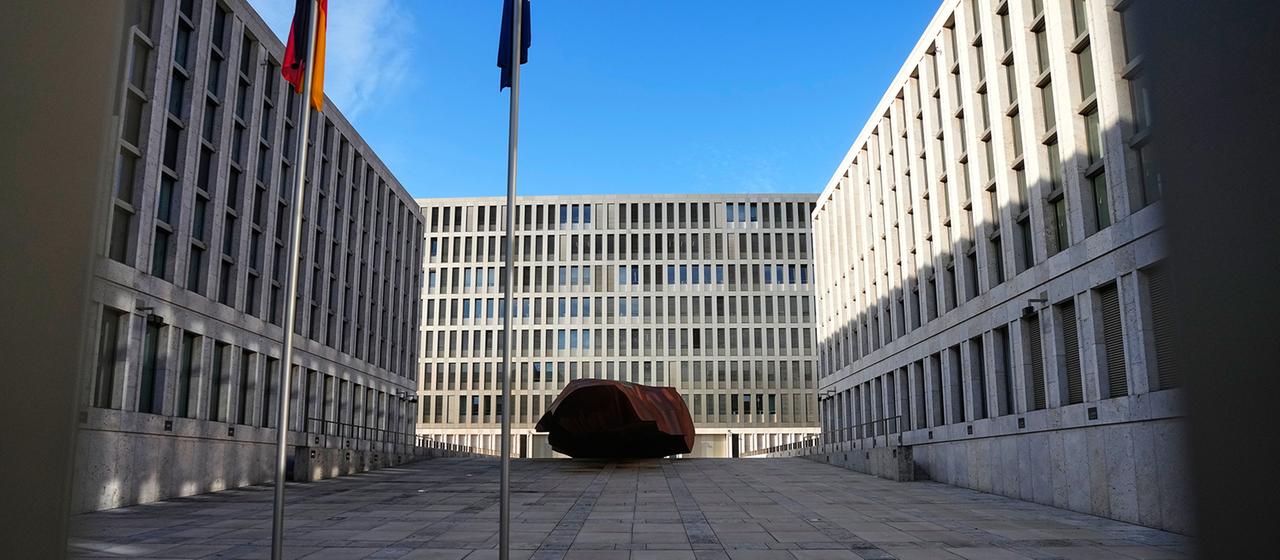
Jäger’s performance had been praised by lawmakers for its clarity and resolve. However, the arrest of his predecessor has cast a long, dark shadow over his administration. The contrast between Jäger’s calls for a hardened, vigilant intelligence service and the reality that a former president was profiting from the leakage of secrets for over a decade is humiliating.
The "Bestürzung" (dismay) within the security community is palpable. Manfred D., in particular, was viewed as a model civil servant—loyal, discreet, and beyond reproach. His transformation from a pillar of the BND to an alleged mole suggests a systemic failure in the "vetting of the vetted."
Implications: The Crisis of Trust
The most critical consequence of this scandal is the inevitable erosion of trust from international partners. Intelligence sharing is a currency; it relies on the absolute guarantee that information provided to one agency will not be leaked, mismanaged, or sold.
1. The Impact on Partner Intelligence Services
Germany’s partners, including the United States, the United Kingdom, and France, rely on the BND to manage shared intelligence with extreme care. If these partners believe that German state secrets are being sold to the highest bidder, they will likely restrict the flow of intelligence to Berlin. This would effectively blind the BND, leaving it isolated in an increasingly volatile global landscape.
2. Internal Morale and Security Reform
For the rank-and-file officers at the BND headquarters in Berlin, the scandal is a demoralizing blow. Many have spent years under intense scrutiny and strict security protocols, only to see the leadership they once respected allegedly treat the agency’s secrets as personal property. President Jäger faces the monumental task of restoring institutional integrity. He has already stated that his goals and priorities remain unchanged, but he will be forced to initiate a radical overhaul of the agency’s internal document management and retirement security procedures.
3. Political Fallout
The Parliamentary Oversight Committee (PKGr) will undoubtedly demand a full inquiry. Questions will be raised about why Hanning’s post-service activities were not monitored more closely, and why the BND’s internal audit systems failed to flag the systematic extraction of 2,000 documents. The scandal provides political ammunition for those who argue that the German intelligence community has grown too insular and unaccountable.

Conclusion: The Path Ahead
As the investigation into August Hanning and Manfred D. proceeds, the BND finds itself in an unenviable position. The agency is currently dealing with the fallout of a 2022 case involving a Russian mole, and now this institutional betrayal.
The mantra from the BND leadership is "keep the course." However, the path forward is fraught with peril. It is not enough to simply prosecute the individuals responsible; the agency must address the structural rot that allowed a former president to view the nation’s intelligence as a private asset.
For Germany, the stakes could not be higher. In an era defined by aggressive hybrid warfare, a compromised intelligence service is not just an embarrassment—it is a national security liability. Whether the BND can survive this crisis of confidence will depend on how transparently it addresses the failures of its past and how effectively it can secure its future against those who operate from within the shadows.