

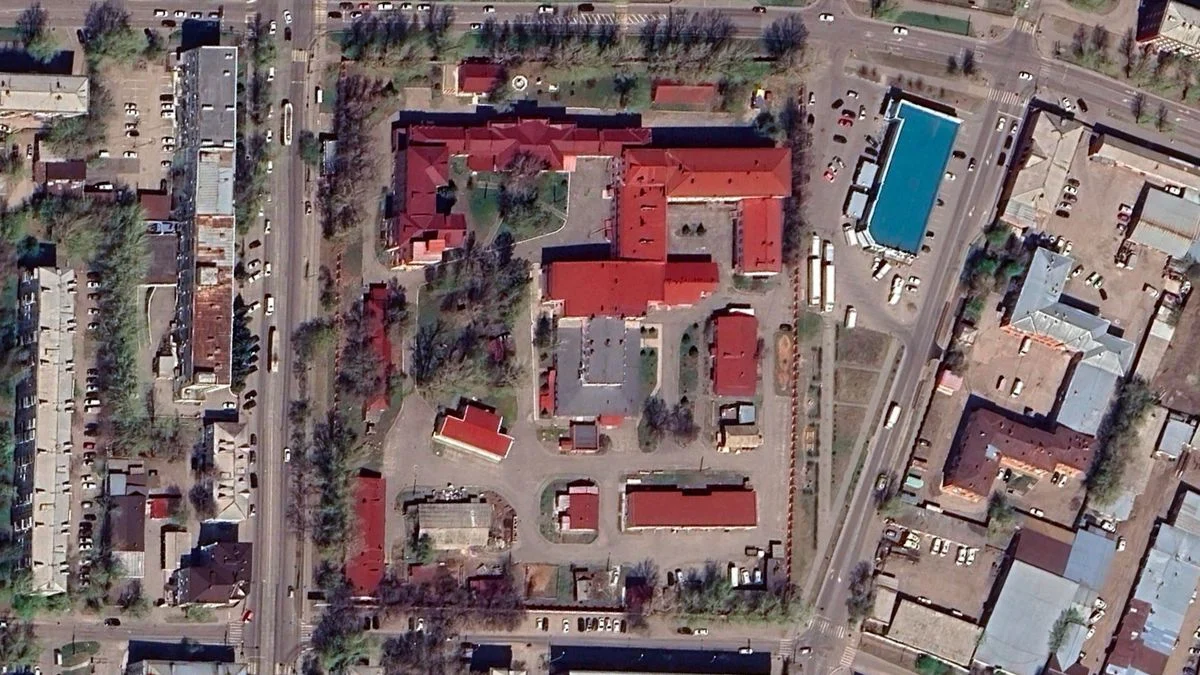
The death of a 28-year-old laboratory worker in the Siberian region of Irkutsk has transformed from a localized medical tragedy into a high-stakes diplomatic standoff. As rumors swirl regarding a potential outbreak of pneumonic plague, the lack of transparency from Russian authorities has triggered alarm bells in Washington, prompting U.S. President Donald Trump to seek direct communication with Kremlin leader Vladimir Putin. The incident, which recalls the initial opacity surrounding the early stages of the COVID-19 pandemic, has ignited a fierce debate over international health obligations, biosecurity, and the limits of global cooperation in an era of heightened geopolitical tension.
The Incident: A Life Cut Short in Schelechow
The sequence of events began late last week at a medical facility in the city of Schelechow, near Irkutsk. A 28-year-old woman, who was employed at a local research institute specializing in the study and containment of plague-related diseases, was admitted to a district hospital with severe respiratory distress. Despite medical intervention, the woman succumbed to her illness on Friday.
Initial reports—many of which remain unverified—suggested that the woman may have been accidentally exposed to a virulent pathogen while conducting laboratory research. Speculation quickly pivoted toward the possibility of pneumonic plague, the most severe and contagious form of the disease caused by the bacterium Yersinia pestis. The concern was exacerbated by rumors that dozens of individuals who had been in contact with the victim were subsequently placed under mandatory quarantine.
However, the official Russian narrative stands in stark contrast to these reports. The Russian authorities responsible for epidemic control have categorically denied that the death was caused by a plague pathogen. Instead, they have cited "pneumonia of unknown origin" as the official cause of death. This clinical ambiguity has done little to assuage the fears of the international community, especially given the victim’s specialized work environment.
Chronology of a Growing Crisis
The trajectory of the investigation has been marked by a series of fragmented updates and mounting external pressure:
- Late Last Week: The 28-year-old lab technician is hospitalized in Schelechow, Irkutsk, with severe respiratory symptoms.
- Friday: The woman dies in a regional hospital. Reports emerge suggesting a potential lab-acquired plague infection and the subsequent quarantine of numerous contacts.
- Early Week: The U.S. Centers for Disease Control and Prevention (CDC) issues a public statement via the social media platform X (formerly Twitter), confirming they are aware of reports regarding a suspected pneumonic plague case in Irkutsk. The CDC emphasizes that the reports remain unconfirmed but signals that it is monitoring the situation with high priority.
- Mid-Week: The U.S. State Department issues a formal call for transparency, urging Russian authorities to provide clear, timely information. Reports from The Wall Street Journal reveal that the U.S. has warned Moscow that withholding data violates international health reporting obligations.
- Current Status: President Donald Trump confirms that he has scheduled a phone call with Vladimir Putin to discuss the incident directly, highlighting the urgency the White House attributes to the situation.
The Science of the Fear: Understanding Pneumonic Plague
The international anxiety surrounding this case is not merely a product of diplomatic friction; it is rooted in the terrifying nature of the disease in question. Pneumonic plague is the most dangerous form of Yersinia pestis infection. Unlike bubonic plague, which is typically transmitted through the bites of infected fleas, pneumonic plague can be spread from person to person through respiratory droplets—much like influenza or COVID-19.
If the pathogen has indeed escaped a laboratory setting, the risks are manifold. Yersinia pestis is a highly resilient bacterium, and the potential for a localized outbreak to escalate into a broader public health crisis is a scenario that keeps global health security experts awake at night. The fact that the victim was a professional working in a laboratory specifically designed to study such pathogens raises questions about biosafety protocols, human error, or potential structural failures within the Russian medical research apparatus.
Official Responses and the Diplomacy of Silence
The diplomatic fallout from the incident has been rapid. The United States, having been burned by what it perceives as a lack of transparency during the emergence of the COVID-19 pandemic, has adopted a "trust but verify" posture—leaning heavily toward the "verify" side.
U.S. government officials, speaking on condition of anonymity to The Wall Street Journal, indicated that Moscow has provided only a trickle of information, despite repeated requests for data that would help determine whether the incident poses a transborder threat. This opacity has forced the U.S. government to take a harder line. The U.S. Embassy in Moscow has issued a stark warning to American citizens in Russia, noting that its ability to provide consular assistance—particularly outside of the capital—is severely limited. The advisory further warned that U.S. personnel may face new travel restrictions in specific regions due to ongoing health and security concerns.
President Trump’s intervention signifies that the matter has moved from the realm of public health bureaus to the highest level of executive power. By choosing to address the matter directly with Putin, Trump is signaling that the U.S. views the Siberian incident as a potential national security concern rather than just a local medical anomaly.
Implications for Global Health Security
The situation in Irkutsk highlights a systemic vulnerability in the current international order: the erosion of trust between major powers regarding scientific and epidemiological data. Under the International Health Regulations (IHR) maintained by the World Health Organization, nations are obligated to report public health emergencies that have the potential to cross borders.
If Russia is indeed withholding information regarding a laboratory incident, it risks violating these international norms. The broader implication is the potential for a "re-siloing" of scientific data. During the early 20th century, international cooperation on plague research was one of the few areas where even hostile nations found common ground. Today, the politicization of health data suggests that we are entering a more precarious era.
Furthermore, the public’s memory of the COVID-19 pandemic cannot be overstated. The global population is now hyper-attuned to the language of "mysterious respiratory illnesses" and "quarantines." When official narratives fail to match the severity of rumors—or when they are perceived as sanitized—public confidence in government health institutions plummets. This "infodemic" effect is already taking hold in this case, as social media platforms are inundated with theories that range from the plausible to the conspiratorial.
The Path Forward: Transparency or Isolation?
The upcoming phone call between President Trump and President Putin will be a litmus test for the current state of U.S.-Russia relations. If the Kremlin offers transparency and provides the international scientific community with the data required to rule out an outbreak, the tension may subside. However, if the pattern of silence continues, it is likely that the U.S. and its allies will further restrict travel and engagement with the affected regions, effectively deepening the isolation of the Irkutsk area.
For now, the world remains in a state of watchful waiting. The death of a young lab technician in Siberia has served as a grim reminder that in a globalized world, a localized pathogen—or even the fear of one—can ripple across oceans, disrupting diplomacy and forcing leaders to confront the fragility of our collective public health infrastructure. Whether this case remains a localized tragedy or becomes the catalyst for a new international crisis depends entirely on the willingness of the Russian government to open its doors to the truth.












