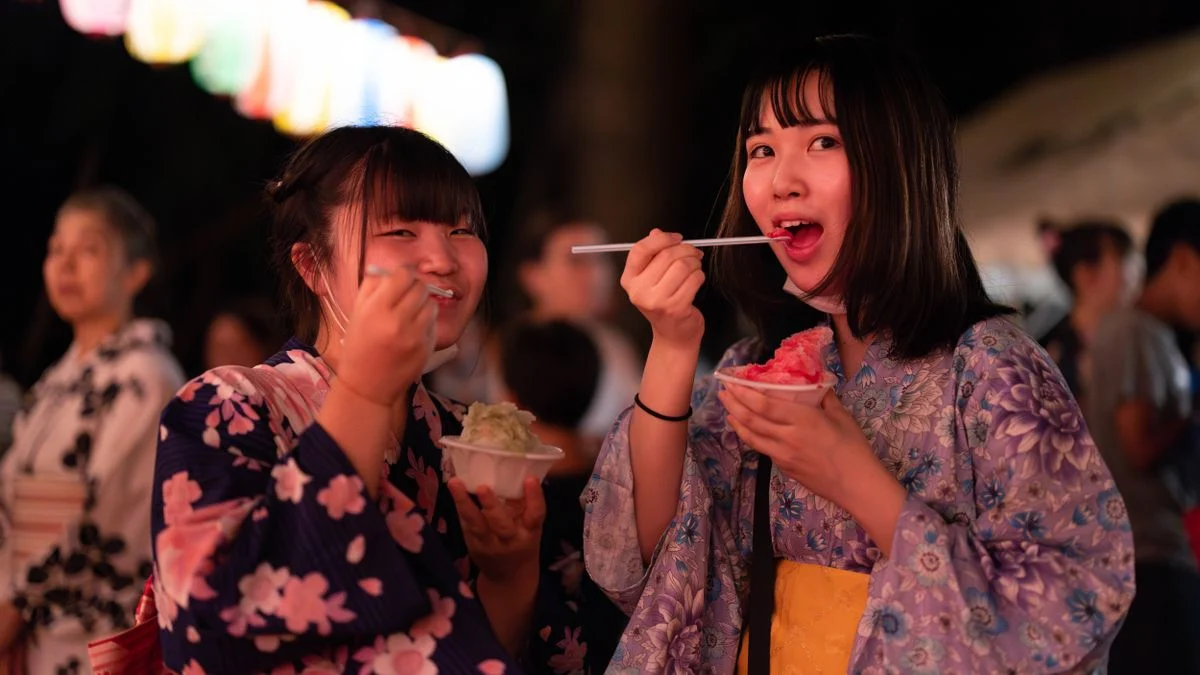
In the post-pandemic landscape of global tourism, few destinations have experienced a surge in popularity as dramatic and sustained as Japan. Once considered an exotic, perhaps intimidatingly expensive outlier for the average Western traveler, the archipelago has transformed into the world’s most sought-after travel destination. From the neon-drenched alleys of Shinjuku to the serene, moss-covered temples of Kyoto, Japan is currently witnessing a historic influx of international visitors that is reshaping its economy, its infrastructure, and its cultural identity.
Main Facts: The Anatomy of the Boom
The current "Japan Fever" is not merely a transient trend; it is a structural shift in global travel patterns. According to the Japan National Tourism Organization (JNTO), visitor numbers have consistently smashed records set in the pre-2020 era.
The primary driver of this phenomenon is the historically weak Japanese Yen. For travelers from the United States, Europe, and Australia, the current exchange rate makes Japan one of the most affordable luxury destinations on earth. This "currency discount" has effectively lowered the barrier to entry, allowing travelers who previously deemed Japan "out of reach" to suddenly book flights with ease.
Furthermore, Japan’s reputation for safety, cleanliness, and culinary excellence—long known to the cognoscenti—has been amplified by social media. Platforms like TikTok and Instagram have acted as digital brochures, turning niche Japanese cultural experiences—such as visiting the Shibuya Crossing, staying in traditional ryokans, or exploring the vibrant convenience store (konbini) culture—into viral, "must-do" items on global bucket lists.
Chronology: From Border Closures to Record-Breaking Heights
To understand the current saturation, one must look at the timeline of the last four years:
- 2020–2021: The Great Silence. Japan maintained some of the world’s strictest border controls, effectively closing itself off to international tourism for over two years. This created a massive "pent-up demand."
- Late 2022: The Reopening. In October 2022, Japan officially lifted its ban on individual tourism. The initial trickle of travelers was met with a surge of global enthusiasm.
- 2023: The Year of Recovery. As airline capacity returned to pre-pandemic levels, the number of inbound visitors began to approach 2019 levels, catching many local tourism boards off guard.
- 2024: The Overtourism Tipping Point. Visitor numbers have surged past 2019 peaks. The Japanese government has been forced to implement new policies to manage crowds, including limits on visitors to Mount Fuji and increased entrance fees for popular cultural sites in Kyoto.
Supporting Data: The Economic and Logistical Impact
The data paints a picture of a country struggling to manage its own success. In 2024, Japan saw monthly visitor arrivals consistently exceeding 3 million people.
- Hotel Occupancy: Major urban hubs like Tokyo and Osaka are reporting occupancy rates near 90% year-round. This has led to a dramatic spike in accommodation costs in the heart of cities, even as the yen remains weak.
- The Currency Effect: The Yen has hovered near multi-decade lows against the US Dollar. This has led to a record-breaking influx of high-spending tourists, but it has also caused "imported inflation" for local residents, who now find it more expensive to purchase foreign goods.
- Public Infrastructure: Japan’s legendary rail network is feeling the strain. The Japan Rail Pass, once a budget traveler’s best friend, saw a massive price hike in late 2023 to combat overcrowding and reflect the increased operational costs of maintaining the Shinkansen network under the weight of millions of suitcases.
Official Responses: Government and Local Strategy
The Japanese government finds itself in a precarious position. On one hand, tourism is a vital pillar of Prime Minister Fumio Kishida’s economic growth strategy, intended to revitalize rural regions and stimulate the service sector. On the other, the strain on local infrastructure is becoming a political liability.
The Japan Tourism Agency (JTA) has recently shifted its focus from "quantity" to "quality." Their new strategy, known as "Sustainable Tourism," aims to divert travelers away from the "Golden Route" (Tokyo-Kyoto-Osaka) and into Japan’s lesser-known prefectures. By incentivizing stays in places like Tohoku, Shikoku, and Kyushu, the government hopes to spread the economic benefits of tourism while alleviating the intense pressure on the historic districts of Kyoto, where "geisha harassment" and overcrowded bus routes have become flashpoints of local frustration.
In Kyoto, the city government has gone as far as banning tourists from specific private alleyways in the Gion district to protect the privacy and livelihoods of the local residents. This marks a significant shift in the Japanese attitude toward tourism: the hospitality that once defined the industry is now being balanced with the necessity of local preservation.
Implications: The Future of Travel in Japan
What does this mean for the future of the visitor experience? The "Japan experience" is undergoing a permanent change.
1. The Death of the Spontaneous Trip
Gone are the days when one could simply land in Tokyo and find a reasonably priced hotel on the fly. Future travel to Japan will require months of advance planning. The surge has favored those with the resources to book premium services, while the budget-friendly "backpacker" era of Japan is rapidly fading.
2. The Rise of "High-Value" Tourism
Japan is moving toward a model similar to Venice or Bhutan, where the focus is on taxing tourism to fund the preservation of sites. Expect to see more "entry fees" for temples, national parks, and even city centers. This is designed to discourage "day-trippers" and attract travelers who stay longer and contribute more to the local economy.
3. Digital Integration and the "Konbini" Culture
The influx has accelerated the digitization of Japan’s service industry. From QR-code-based restaurant ordering systems to multilingual digital signage at train stations, the country is rapidly modernizing its interface for foreigners. While some purists argue this strips Japan of its unique, analog charm, it is a necessary evolution for a country that is suddenly hosting more international guests than it has the capacity to serve.
4. Cultural Friction
Perhaps the most significant implication is the social friction. Japan is a society built on omotenashi (wholehearted hospitality) and adherence to rigid social rules. The influx of millions of tourists, many of whom are unfamiliar with Japanese etiquette regarding noise, waste disposal, and public behavior, has led to a perceptible rise in "tourist-phobia." For the traveler, this means that the responsibility for a positive experience is no longer just on the host—it is now squarely on the guest to be informed and respectful.
Conclusion
The current Japan boom is a testament to the country’s enduring global appeal. It is a destination that offers a unique blend of hyper-modernity and deep, ancestral tradition. However, the sheer volume of visitors is forcing a reckoning. Japan is no longer a hidden gem; it is a global stage.
For the prospective traveler, the takeaway is clear: travel to Japan with intention. Seek out the rural prefectures, respect the local customs with a heightened awareness of your impact, and understand that you are participating in a historical moment of transition. The Japan of the future will be more accessible, more digitized, and more expensive—but if managed correctly, it will remain the world’s most fascinating destination. The challenge for Japan is not to stop the tide, but to ensure that the beauty that draws the world in is not the very thing that is destroyed by the sheer weight of its own popularity.