Introduction: Where the Cowboy Myth Meets Reality
The god of the American West has a peculiar requirement for those seeking to touch the legend: a waiver. Before mounting a sturdy, black-furred steed named Onyx, one must choose between the pragmatism of a safety helmet and the aesthetic purity of the cinematic cowboy. In the shadow of the Castle Canyon in southern Utah, this choice feels like a bridge between two worlds—the calculated, modern safety protocols of the 21st century and the rugged, untamed spirit of the John Wayne era.
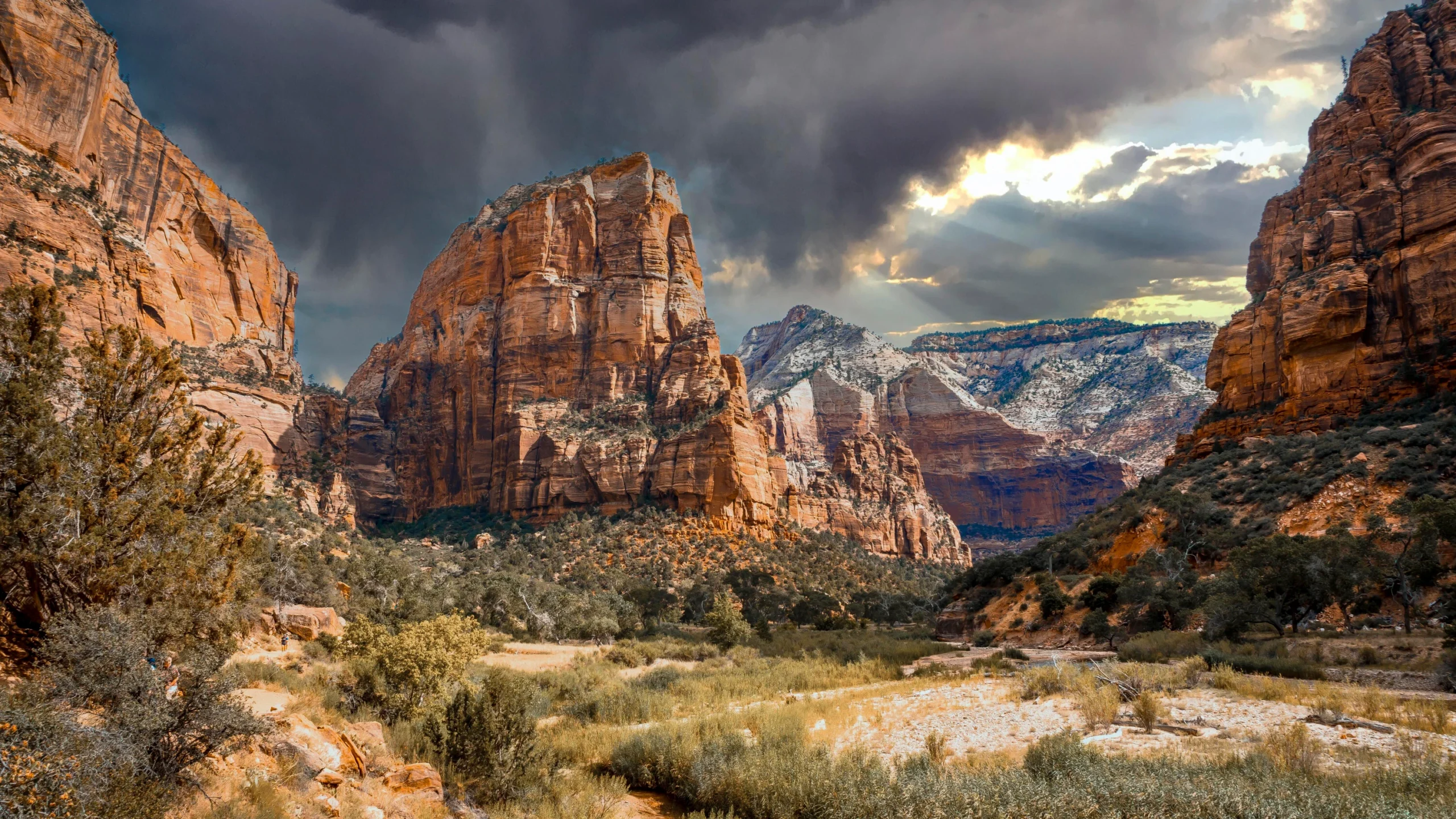
To ride here is to step directly into the frame of a Technicolor Western. The landscape, characterized by gnarled vegetation clinging to vibrant, iron-rich red rock, is a living relic of American film history. Yet, as one navigates the path, the initial anxiety of the climb dissipates, replaced by the rhythmic, swaying cadence of the horse. This is Utah, a state where the geological formations are so dramatic that they have become the de facto set for the American imagination.
Chronology of a Landscape: From Geology to Hollywood
The transformation of Utah’s wilderness into the quintessential "Wild West" did not happen overnight. It is a layering of geological history, indigenous heritage, and mid-20th-century cultural export.
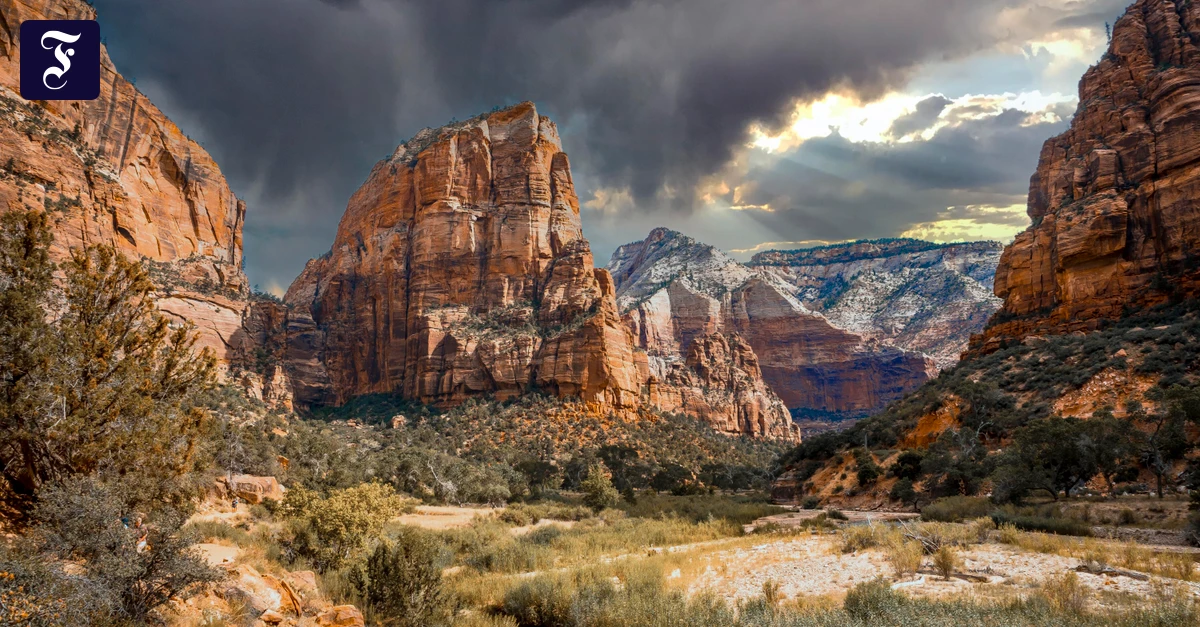
- 19th Century: Pioneers, often driven by religious fervor and the promise of a "Promised Land," began settling the canyons, naming landmarks after biblical sites—The West Temple and the Altar of Sacrifice—as if to anchor their arrival in a divine narrative.
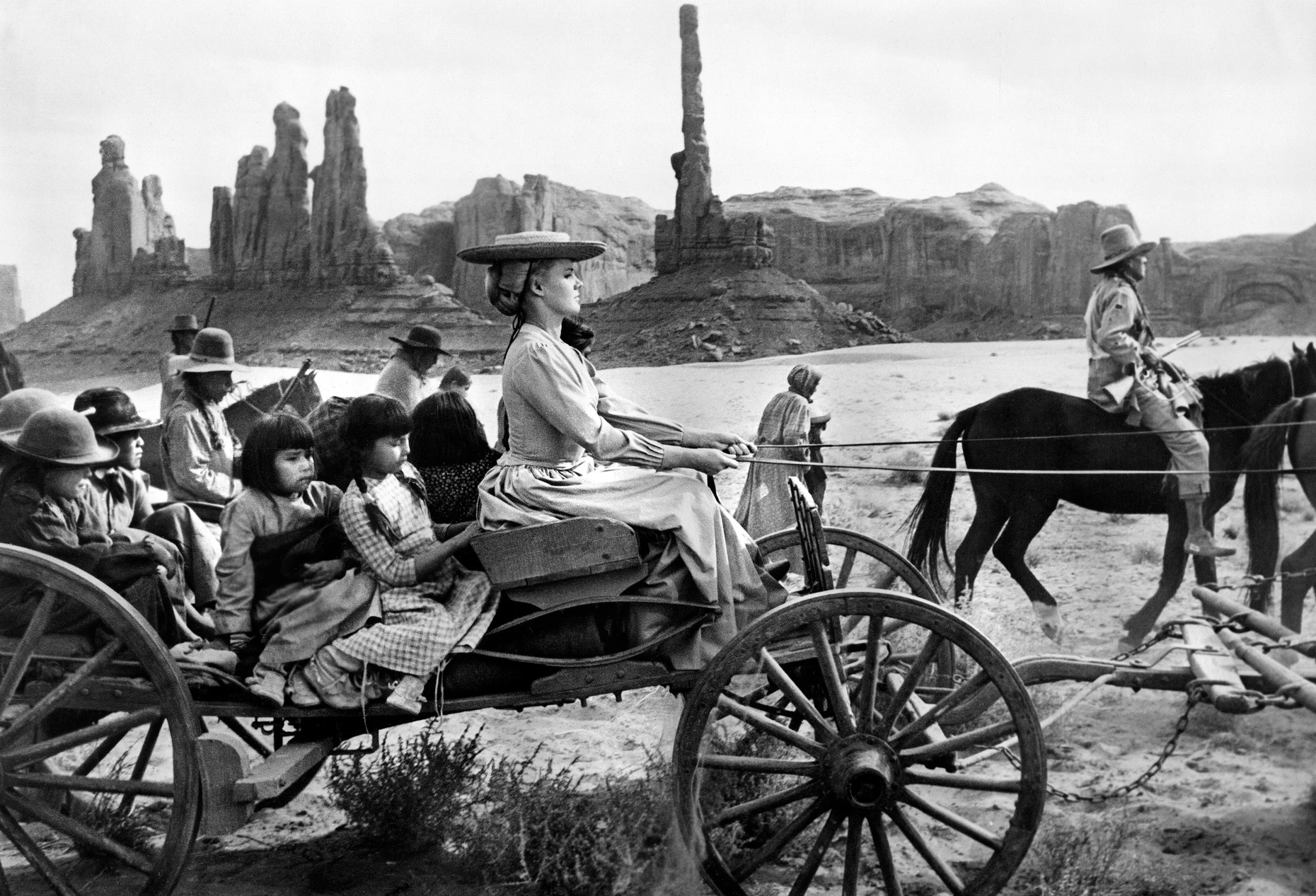
- 1963: Legendary director John Ford arrived in the region to film Cheyenne Autumn. Though historically loose with his geography—the Cheyenne originated in the Great Plains, far to the north—Ford solidified the Southern Utah landscape as the archetypal visual language of the American West.
- 2002: The Red Cliffs Lodge, a landmark property on the Colorado River, transitioned from a historic ranch established by George White into a modern hospitality destination, preserving the site’s authentic feel while integrating it into global travel networks.
- Present Day: Utah faces a new frontier: the tension between preservation and the pressures of modern tourism. From town-level moratoriums on hotel construction in Moab to the ongoing efforts to protect fragile, moss-like biological soil crusts in the canyons, the state is balancing its status as a tourist mecca with the need to protect its ecological integrity.
Supporting Data and Geographic Context
The appeal of Utah lies in its ability to offer a "greatest hits" of American geological wonder. A traveler’s journey is best framed by a route starting in Las Vegas—a city of artificial excess that serves as a jarring but effective prologue to the raw, natural intensity of the Zion and Arches National Parks.
The Red Cliffs Lodge: A Case Study in Preservation
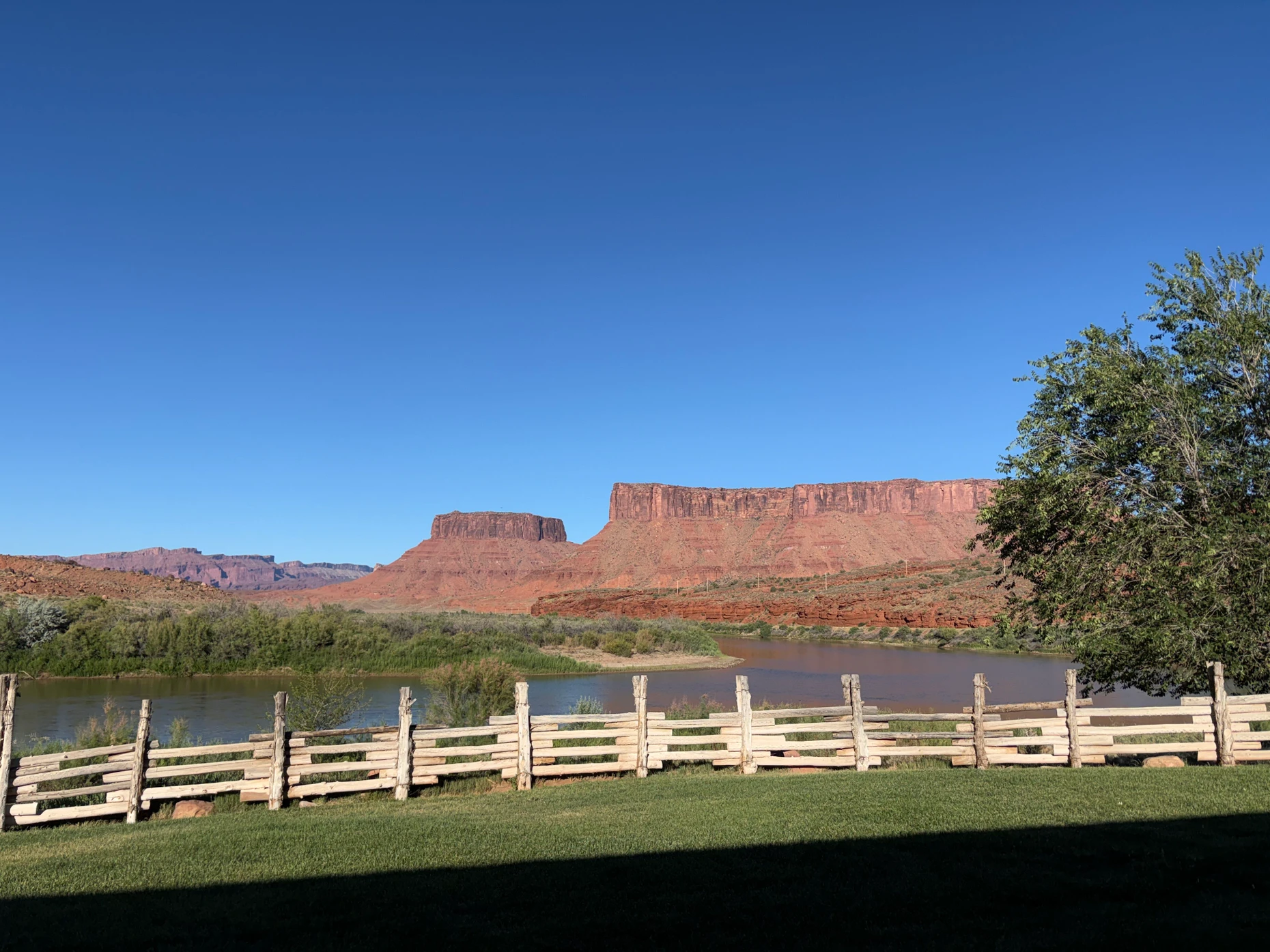
The Red Cliffs Lodge stands as a testament to the coexistence of luxury and history. Situated on a bend of the Colorado River, it occupies land that was once a working ranch. For modern visitors, the choice between a river-view room and a mountain-facing room is a matter of aesthetic preference, but the experience of stepping onto the veranda is universal. The view of the towering red rock formations—the same cliffs that provided the backdrop for countless John Wayne films—remains one of the most valuable commodities in the state, despite the proliferation of more modern, efficiency-driven accommodations nearby.
Moab: The Gateway to the Iconic
Moab has evolved from a quiet outpost into a cultural nexus. The town currently finds itself in a tug-of-war between its past and its present. As residents from California and the East Coast relocate here, they bring a mixture of professional ambitions and a desire to "heal" the history of the frontier—a narrative shift from the rugged individualism of the past to a modern emphasis on sustainability and local craft. The municipal decision to implement a moratorium on new hotels is a clear signal that the town is attempting to mitigate the risks of over-tourism before the essence of the landscape is compromised.
The Cultural Landscape: Rodeo, Ritual, and Myth
Beyond the hiking trails and film sets, the "Wild West" is not just a relic—it is a living culture. In the town of Monticello, the San Juan Stampede Pro Rodeo offers an unvarnished look at the region’s traditional values.
The Rodeo: A Performance of Identity
At the rodeo, the atmosphere is electric with a specific brand of American patriotism. Here, the cowboy is not an actor; he is an athlete competing for prize money in cities like Durango and Cedar City. The event is deeply communal, featuring everything from local children clinging to sheep to seasoned riders challenging aggressive bulls.
The presence of the "Rodeo Clown," with his traditionalist humor, and the opening prayers offered by local clergy, reinforce a worldview that is deeply rooted in religious and nationalistic pride. When a recording of a John Wayne monologue plays over the loudspeaker, it acts as a cultural anchor, reminding the audience that they are part of a narrative—a "Greatest Country on Earth" ideology that feels as solid and immovable as the red rocks surrounding the arena.
Official Responses and Sustainability Efforts
The management of Utah’s natural beauty has become a point of contention and cooperation between local authorities and federal land managers. The National Park Service, in conjunction with local stakeholders, has implemented strict guidelines to prevent the destruction of biological soil crusts—the thin, moss-like layers that act as vital moisture reservoirs.
"We are teaching visitors to respect the crust," notes a local guide, pointing to the delicate, dark patches on the canyon floor. "One careless step can destroy decades of growth." This shift in perspective—from viewing the landscape as a backdrop for cinematic conquest to seeing it as a fragile, living ecosystem—is the defining challenge for the next generation of Utah’s stewards.
Implications: The Future of the American West
The allure of the West persists because it provides an escape from the complexities of the modern world. Whether it is the self-directed path of the lone hiker or the structured, safety-conscious approach of the tourist on horseback, the landscape continues to function as a mirror for the human condition.
The Cinematic Legacy
The film industry’s relationship with Utah remains profound. From Kevin Costner’s massive Horizon project, which constructed entire towns in the vicinity of Saint George, to the iconic stretch of road at "Forrest Gump Point," the state is a playground for those who wish to step into a movie. However, the implication for the future is clear: the romanticism of the Wild West must be tempered by a realistic approach to land use and community development.
The "Onyx" Experience: A Final Reflection
As the rider finishes their tour in the Castle Canyon, the horse, Onyx, serves as a grounded reminder of the physical realities of the West. The contract signed at the beginning—the choice between the helmet and the wind-in-the-hair ideal—is a perfect metaphor for the broader regional experience. We come to Utah seeking the freedom of the frontier, yet we are constantly reminded that we are operating within a system of rules, contracts, and environmental limitations.
In conclusion, the American West as represented in Utah is a complex synthesis of myth and reality. It is a place that invites us to ride, to observe, and to reflect on our place in the natural order. While the "god of the cowboys" may demand a signature and a helmet, the land itself demands something much greater: an acknowledgement that its beauty is not merely a stage set for our own adventures, but a profound, enduring record of time that requires our protection and our deepest respect. The journey through the red rocks is more than a vacation; it is an initiation into a landscape that continues to define the American identity, one canyon at a time.