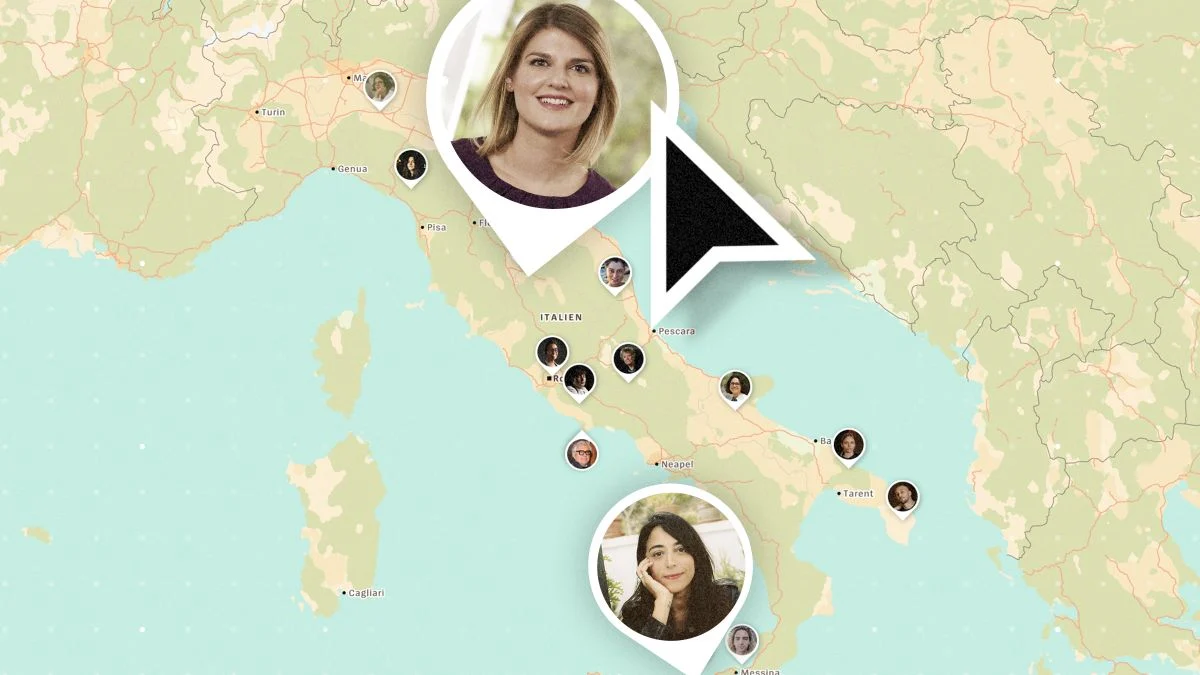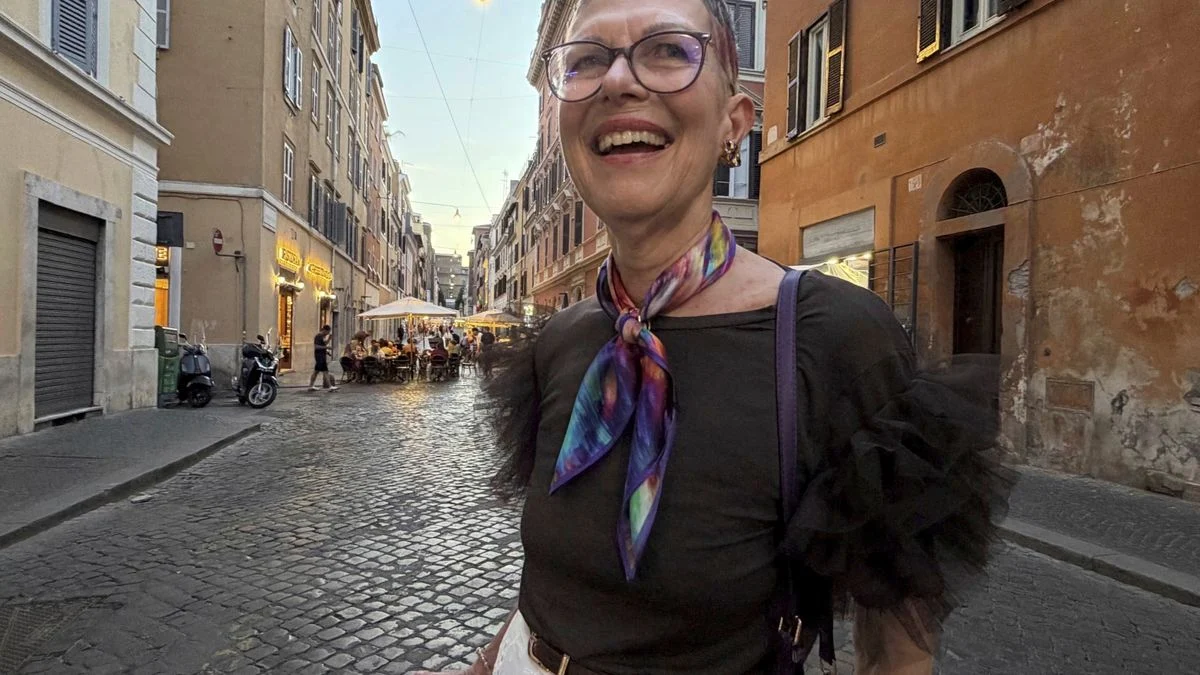
For decades, the image of the "language student" was firmly cemented in the public consciousness: a backpack-toting teenager or a fresh-faced university graduate, eager to master a foreign tongue before entering the workforce or embarking on a gap year. However, a silent shift has occurred in the global language tourism market. Increasingly, the departure lounges of international airports are seeing a surge in travelers who are well past the age of 50.
Far from the stereotypical “gap year” profile, these individuals are established professionals, retirees, or people at a mid-life crossroads. They are not traveling to party or escape responsibility; they are traveling to rediscover the world, sharpen their cognitive faculties, and engage in a profound form of self-investment. This article explores the growing trend of “Silver Language Travel,” examining why this demographic is choosing to pack their bags and how this experience changes them upon their return.
Main Facts: The New Demographics of Linguistic Exploration
The language travel industry, once heavily focused on the youth market, is undergoing a demographic diversification. According to recent industry reports, the "50-plus" segment now accounts for nearly 20% of the total language-travel volume in Europe.
Unlike younger students who often prioritize cost and nightlife, the over-50 demographic—often referred to as "Silver Learners"—prioritizes cultural immersion, intellectual stimulation, and comfort. They are not merely interested in conjugating verbs; they are seeking a holistic experience that blends language acquisition with art history, local gastronomy, and guided cultural excursions.
The core motivation is rarely career advancement. While younger participants often view language skills as a necessary tool for their CVs, the older cohort views language as a key to unlocking a culture that was previously inaccessible. It is an act of personal enrichment, an attempt to bridge the gap between "being a tourist" and "being a participant."
Chronology: From Classroom to Global Citizen
To understand the trajectory of a modern language traveler over 50, one must look at the phases of their journey.
Phase 1: The Decision (The "Now or Never" Moment)
For many, the impetus is a milestone event—a 50th birthday, a career break, or the departure of children from the family home. The decision to enroll in a language course is often a conscious rejection of the "slowing down" narrative. It is a proactive choice to embrace neuroplasticity and challenge the brain with a new linguistic system.
Phase 2: The Preparation
Unlike the impulsive bookings of younger travelers, the silver cohort invests significant time in research. They scrutinize school accreditations, teacher credentials, and the quality of accommodation. Many opt for private apartments or boutique homestays over communal dormitories, seeking a balance between social interaction and personal privacy.
Phase 3: The Immersion (Weeks 1–4)
The initial days in a foreign environment are often characterized by a mix of exhilaration and anxiety. The "student" is now a novice again, a humbling experience for someone who may be a director or a manager in their professional life. This phase involves navigating the local grocery store, decoding public transport signs, and, most importantly, attempting to converse with locals.
Phase 4: The Return and Integration
The return journey is not simply a physical relocation; it is a psychological transition. Returning to their routine, these travelers often find that their perception of their home environment has shifted. They bring back not just a few phrases in a new language, but a renewed sense of curiosity and a different perspective on their daily domestic lives.
Supporting Data: Cognitive and Social Benefits
The decision to embark on a language trip in middle age is supported by an increasing body of psychological and neurological research.
The Neuroplasticity Advantage
Studies have consistently shown that learning a new language is one of the most effective ways to build "cognitive reserve." For individuals over 50, this serves as a potent exercise in neuroplasticity. Engaging with new syntax, vocabulary, and phonetic structures forces the brain to form new neural pathways, which can help delay the onset of age-related cognitive decline.
The Social Component
Isolation is a significant health risk for aging populations. Language travel inherently forces social engagement. Whether it is a conversation with a fellow student from a different continent or a transaction at a local bakery, the travel experience fosters meaningful human connection. Data from major language providers suggests that 75% of over-50 travelers report a significant increase in their social confidence following a trip of at least three weeks.
Official Responses: The Industry Perspective
Travel agencies and language schools have been quick to adapt to this shifting demographic. The "General English" or "General Spanish" courses of the past are being supplemented with "Language + Culture" programs.
"We have seen a complete transformation in our client base," says Elena Rossi, a director at a prominent Mediterranean language institute. "Ten years ago, we focused on exam preparation for students. Today, we have tailored programs for people over 50 that include afternoon wine tastings, historical walking tours, and cooking classes. They don’t want a rigid, school-like environment; they want a social, high-quality, and immersive experience."
Furthermore, insurance providers and travel platforms have begun offering specialized packages that cater to the specific needs of older travelers, emphasizing medical support, accessibility, and high-end logistics. This institutional shift confirms that the trend is not a passing fad, but a structural change in the way mature adults view retirement and leisure time.
Implications: A New Way of Living
The implications of this trend extend far beyond the language schools themselves. We are seeing the emergence of a new "Global Silver Class"—individuals who are financially stable, physically active, and intellectually hungry.
Changing the Workplace
As these individuals return to their workplaces or transition into retirement, they bring a different set of expectations. They are less interested in status symbols and more interested in time-wealth and experiential capital. This shift is beginning to influence corporate sabbatical programs and retirement planning.
The "Slow Travel" Movement
The over-50 language traveler is a primary driver of the "Slow Travel" movement. By staying in one location for a month or more to learn a language, they contribute to the local economy in a more sustainable way than the typical weekend tourist. They shop at local markets, engage with the community, and provide a steady stream of income for local educators and service providers.
Personal Transformation
Perhaps the most profound implication is the internal change. The traveler who leaves home at 55 to learn Italian in Florence returns as a person who has proven to themselves that growth is not limited by age. They have dismantled the idea that they are "too old" to start something new. They return with a sense of agency that permeates their relationships, their health choices, and their long-term life plans.
Conclusion: The Horizon Is Still Expanding
The act of traveling to learn a language after 50 is a bold, life-affirming declaration. It is an acknowledgment that while our time is finite, our capacity for discovery is infinite. As society continues to age, we can expect this demographic to become a dominant force in the global travel market, demanding more sophisticated, meaningful, and transformative experiences.
Whether it is the rhythmic vowels of Portuguese in Lisbon or the intricate characters of Japanese in Kyoto, the pursuit of language is a pursuit of life itself. For those who choose to embark on this journey, the return flight is never really the end of the trip; it is merely the beginning of a more curious, connected, and linguistically vibrant chapter.
In a world that often encourages us to settle into our established patterns, the silver language traveler reminds us that the most important lessons are often found just beyond our comfort zone, waiting to be spoken.