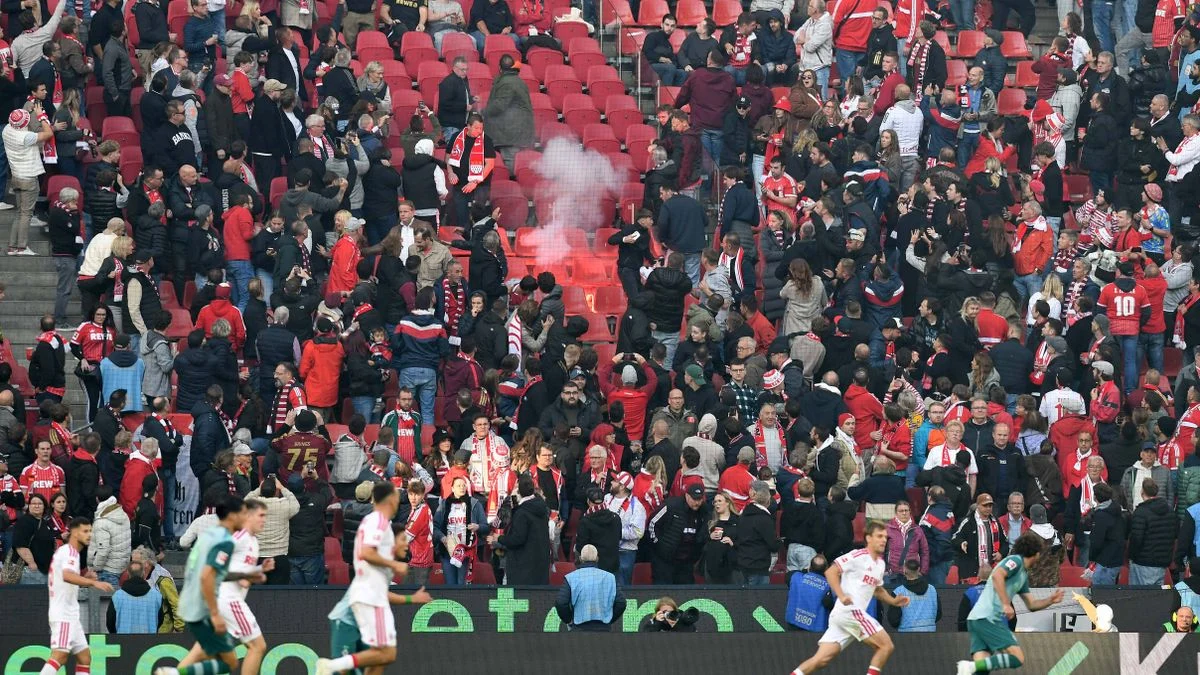
In a result that sent shockwaves through the German football landscape, the DFB team suffered a stinging 1-0 defeat at the hands of Greece in their latest Nations League A fixture. The match, which served as Jürgen Klopp’s first home game as national coach, ended in the first-ever loss against the Greeks in eleven encounters, marking a sobering start to a new era.
The Main Facts: A Historic Upset in Augsburg
On a crisp evening in Augsburg, the German national team, under the stewardship of newly appointed head coach Jürgen Klopp, experienced the harsh realities of international management. Despite controlling large swathes of possession, Germany failed to break down a resilient and disciplined Greek defensive block.
The deciding moment of the match occurred in the 74th minute. A well-constructed Greek transition play caught the German defense retreating too slowly. Dimitrios Kourbelis, finding space just outside the penalty area, unleashed a shot that took a cruel deflection off Joshua Kimmich, wrong-footing goalkeeper Alexander Nübel and nestling into the net. This solitary goal proved sufficient to secure a historic victory for Greece, leaving the capacity crowd in disbelief and highlighting the massive task awaiting Klopp as he looks to revitalize the DFB squad.
Chronology: From Controlled Possession to Tactical Frustration
The First Half: Tactical Stagnation
Unlike the fluid, albeit experimental, 1-1 draw against the Netherlands in Amsterdam just days prior, the German team began the Augsburg fixture with a focus on structural security. Klopp opted for a more controlled approach, prioritizing ball retention and building play from the back. However, this methodical pace played directly into the hands of the Greeks.
Greece, managed with tactical precision, sat deep, banking on the explosive pace of Christos Tzolis and Konstantinos Karetsas on the counter-attack. For the first twenty-five minutes, Germany struggled to penetrate the compact Greek lines. It wasn’t until the 25-minute mark that the tempo increased, resulting in a flurry of opportunities. Younes Ebnoutalib and Karim Adeyemi both squandered chances to break the deadlock, with the latter’s blistering strike from the edge of the box forcing a spectacular save from Greek goalkeeper Konstantinos Tzolakis.
The Second Half: The Turning Point
The second half saw an invigorated German performance, sparked by the energy of debutant Bambașé Conté. The Hoffenheim prospect immediately showcased the high-intensity pressing Klopp demands, forcing turnovers and nearly finding the net himself.
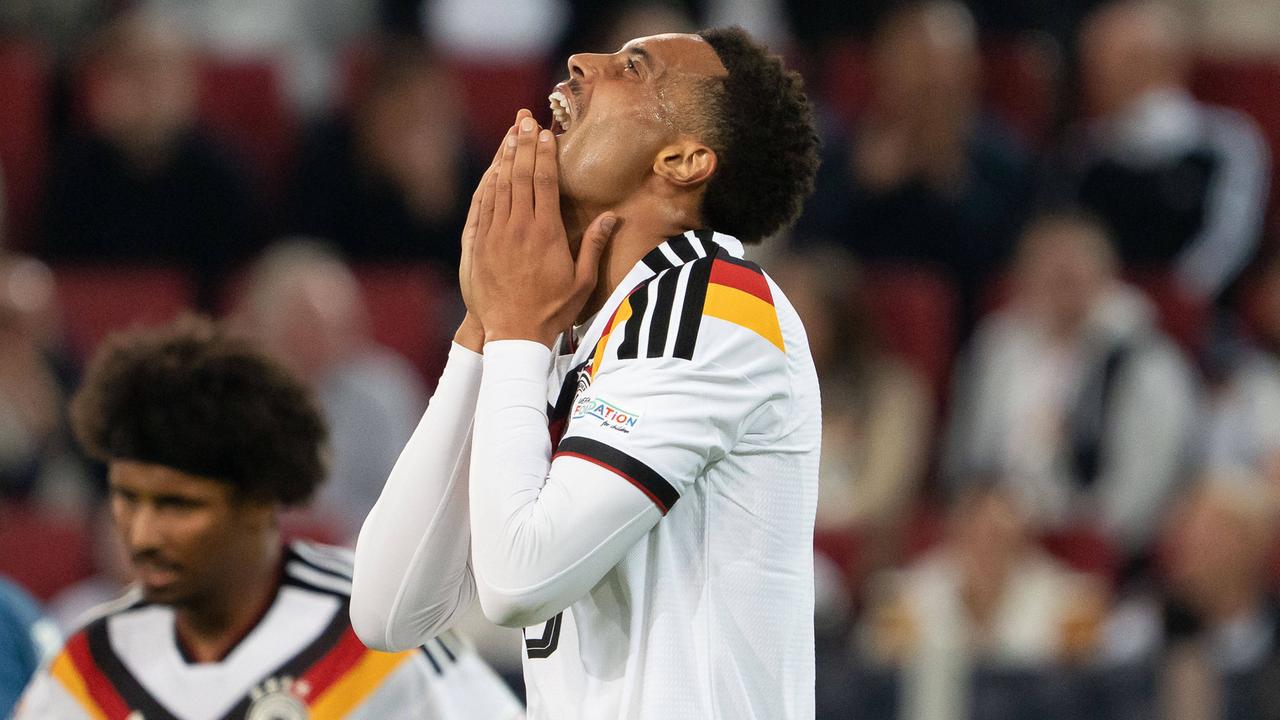
As the game wore on, the pressure mounted, but so did the signs of fatigue and frustration. In the 67th minute, a lapse in concentration by captain Joshua Kimmich nearly gifted Greece the lead, as Vangelis Pavlidis set up Fotis Ioannidis, who narrowly missed the target. The reprieve was temporary. Ten minutes later, the defensive structure crumbled under a simple wing-switch by Greece, and Kourbelis capitalized on a moment of hesitation in the German backline to secure the win.
Supporting Data and Performance Analysis
Defensive Resilience vs. Offensive Lacks
Despite the defeat, there were individual bright spots. Yann Aurel Bisseck, returning to the fold after being overlooked by previous management, delivered a commanding performance in the heart of the defense. His partnership with the full-backs kept the Greek attack largely quiet for the duration of the match.
However, the statistical profile of the game paints a worrying picture for the German attack. While Germany dominated possession (68% to 32%), the "Expected Goals" (xG) metrics suggest they were unable to create high-quality chances against a low-block defense. The reliance on long, hopeful balls in the final ten minutes was a testament to the lack of creative solutions in the final third.
The "Kimmich Conundrum"
Joshua Kimmich, tasked with anchoring the midfield, endured a night of mixed fortunes. While he provided the necessary defensive cover for much of the game, his distribution was uncharacteristically static. The final goal, caused by his own deflection, served as a microcosm of the team’s night: moments of promise marred by a lack of sharpness and a failure to capitalize on decisive moments.
Official Responses: Klopp’s Realistic Assessment
Following the final whistle, Jürgen Klopp did not shy away from the gravity of the result, offering an honest, analytical assessment of the team’s shortcomings.
"This is not a game you should lose," Klopp stated in his post-match interview with ARD. "We faced an opponent that defended incredibly deep, and we simply failed to find the solutions to break them down. Our ball movement was too static, and our reaction to their long-ball tactics was insufficient. We aren’t a finished product yet. This is a newly assembled group, and while the result is painful, it provides us with an immense amount of data on what we need to change."
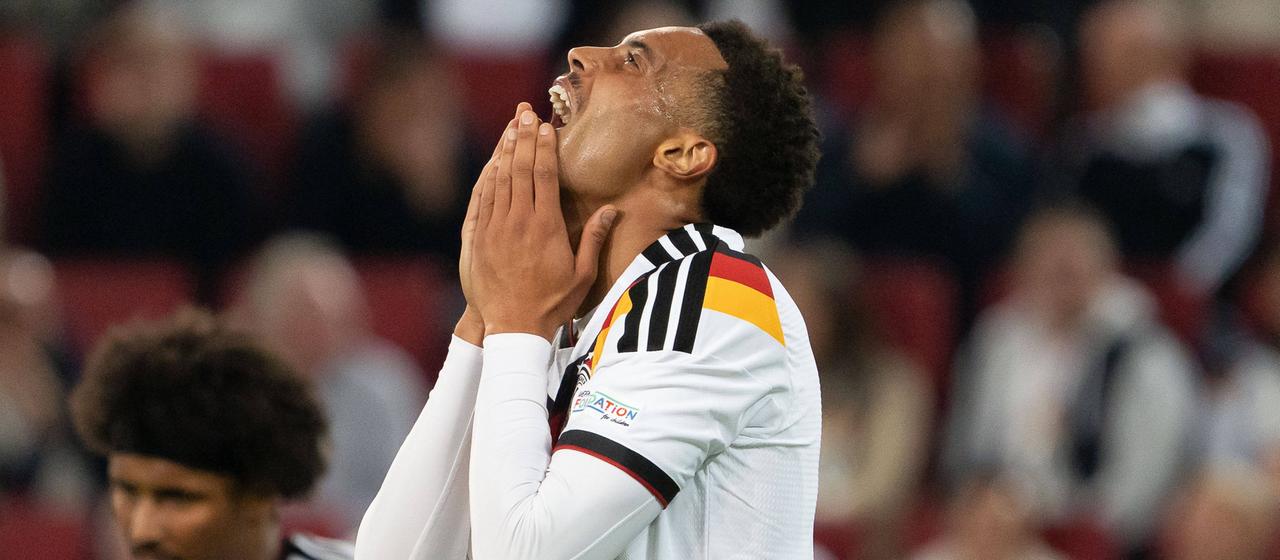
Jonathan Tah, the defensive anchor, echoed these sentiments. "We lacked the cutting edge. We had the space, but we didn’t use it with enough urgency. It’s a bitter pill to swallow, but we have to maintain our courage and learn from the tactical failures of this evening."
Implications: The Road Ahead
The defeat against Greece serves as a crucial reality check for the German national team. Klopp’s tenure, which began with optimism, now faces its first significant hurdle. The lack of movement and the tendency for players to hold the ball too long are systemic issues that will require time and intensive training to rectify.
Tactical Shifts Required
The upcoming fixtures against Serbia and the return leg in Greece will be defining moments. Klopp must decide whether to continue with the current experimental lineup or revert to a more traditional, high-tempo style that has defined his club career. The integration of young talents like Conté provides a glimpse of the future, but the inconsistency of veteran players remains a concern.
The Path to Improvement
Germany still has two pivotal matches remaining in this Nations League cycle. The coaching staff now faces a ten-day window to recalibrate.
- Verticality: The team must improve its transition speed. Against teams that park the bus, stagnant possession is an invitation for trouble.
- Mental Resilience: The reaction to the goal conceded showed a lack of composure in the final minutes. Building the "mentality monsters" Klopp is famous for will be his primary psychological challenge.
- Personnel Stability: With the team currently in a state of flux, finding a consistent starting XI—particularly in the defensive midfield—is the top priority before the next international break.
As the squad prepares for the October fixtures, the pressure will only mount. For Klopp, this loss is not the end of a project, but the beginning of a necessary, albeit painful, transformation. The German public, known for its high expectations, will be watching closely to see if the "Klopp Effect" can translate into results when the team travels to Belgrade and then Greece in the coming weeks. The mission is clear: to evolve from a team that controls the ball into a team that controls the outcome of the match.