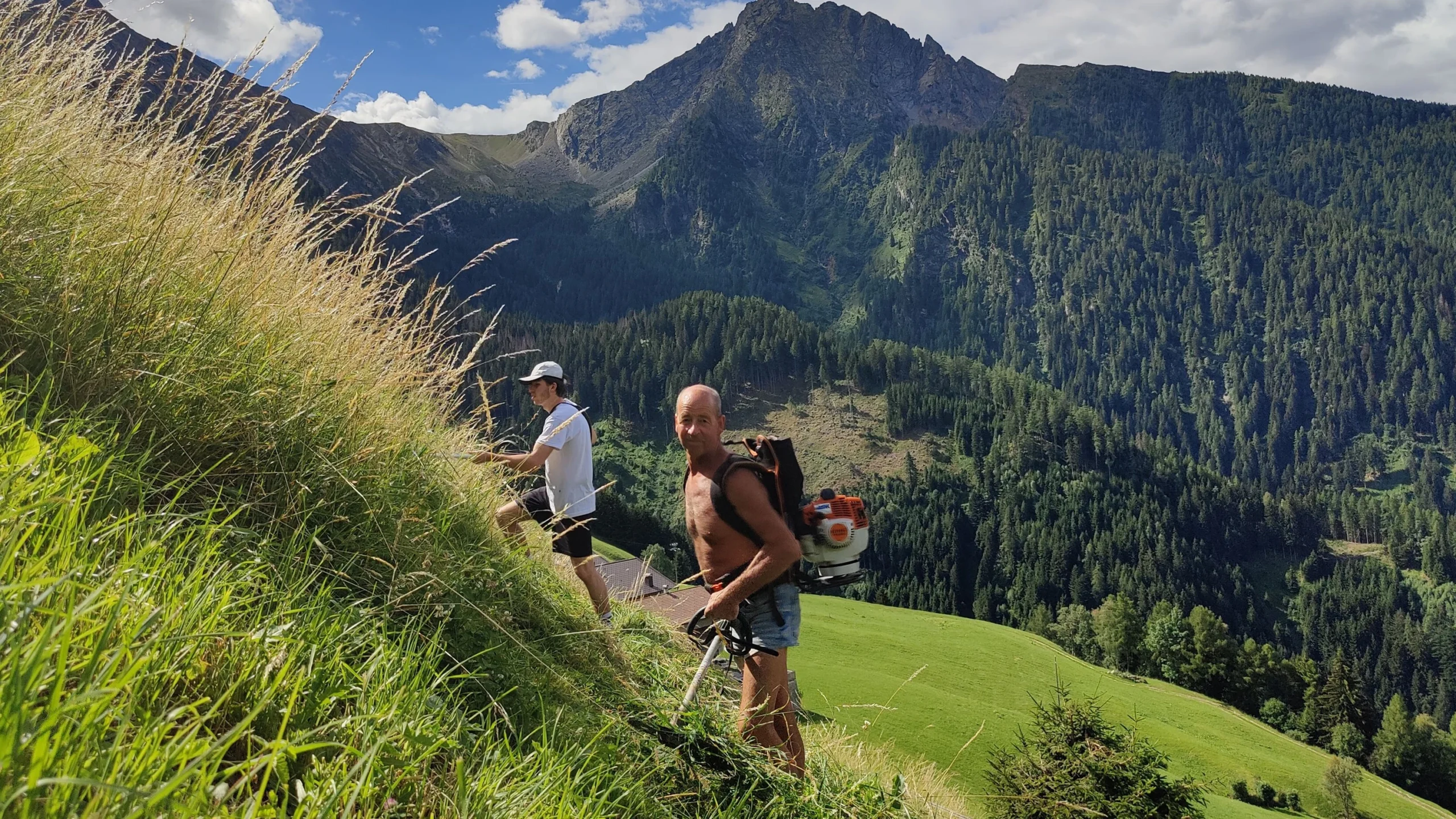


In an era defined by the democratization of high-end camera technology—where even a standard smartphone possesses the optical fidelity that once required a professional DSLR—the gap between a "snapshot" and a "photograph" has never been wider. While the tools at our disposal are more advanced than ever, the art of composition, lighting, and narrative remains a distinct skill set. As travelers look to document their journeys with more intention, professional photographers are increasingly sharing the technical secrets that turn fleeting vacation moments into enduring works of art.
The Evolution of Travel Photography: From Souvenir to Storytelling
Historically, travel photography was the domain of the dedicated hobbyist or the professional photojournalist, burdened by heavy glass, film canisters, and light meters. Today, the challenge is no longer about the mechanics of capturing light, but about the selection of it. With thousands of photos often cluttering our digital libraries, the modern traveler faces a crisis of abundance.
Professional photographers argue that the shift from quantity to quality is the most significant hurdle for the amateur. By applying foundational principles of visual storytelling, any traveler can elevate their portfolio, ensuring that their images do not merely document a location, but convey the emotion, scale, and atmosphere of the experience.
Chronology: The Arc of a Perfect Shot
To master vacation photography, one must understand that a great image is rarely a matter of luck. It is the result of a structured workflow that begins long before the shutter button is depressed.
1. The Pre-Visualization Phase
Preparation is the silent architect of a great photograph. Professionals begin by scouting locations digitally. Using tools like Google Earth, weather-tracking apps, and Instagram’s geotagging features, photographers identify not just the "what"—the landmark or landscape—but the "when." The difference between a crowded, flat-lit tourist photo and an ethereal, golden-hour masterpiece is often a matter of 60 minutes of planning.
2. The Golden Hour and Beyond
Light is the currency of photography. The "Golden Hour"—the period shortly after sunrise and before sunset—offers soft, diffused light that minimizes harsh shadows and saturates colors. Midday sun, conversely, creates high-contrast images that often flatten the depth of a scene. Learning to work with—or work around—the sun is the single most effective way to improve technical output.
3. Compositional Discipline
The rule of thirds remains the bedrock of photography, but moving beyond it is where the artist emerges. Professionals focus on leading lines, framing within frames (using architecture to enclose a subject), and the concept of negative space. A common amateur mistake is centering the subject; however, placing the subject off-center often draws the eye through the frame, creating a more dynamic interaction between the viewer and the image.
4. Post-Processing: The Digital Darkroom
The final phase is refinement. Modern software, such as Adobe Lightroom or mobile equivalents like Snapseed, allows for the adjustment of exposure, white balance, and saturation. The goal of editing should be to restore the scene to how the human eye perceived it, rather than creating an artificial reality. Subtle adjustments to shadows and highlights can save a photo that otherwise would have been discarded.
Supporting Data: The Impact of Visual Literacy
Recent industry surveys on digital travel trends indicate that 72% of travelers cite "capturing memories" as the primary reason for bringing a dedicated camera or upgrading their smartphone. Furthermore, data from image-sharing platforms shows that posts with high compositional value—those utilizing symmetry, golden ratios, and depth-of-field manipulation—receive, on average, 40% higher engagement.
This shift underscores a growing cultural demand for "authentic aesthetics." Travelers are no longer content with generic wide-angle shots; there is an increasing preference for intimate, macro-level details—a local artisan’s hands, the texture of a historic wall, or the candid interaction between locals—which contribute to a more comprehensive travel narrative.
Professional Perspectives: Insights from the Field
We spoke with veteran travel photographers to distill the "golden rules" for the modern traveler.
"The most common mistake I see is the ‘tourist crouch,’" says Elena Vance, a National Geographic contributor. "People see a beautiful building and immediately snap a photo from eye level. They forget that the camera sees the world differently. Getting low—down to the ground—or finding an elevated perspective changes the geometry of the shot entirely. It turns a document into a perspective."
Marcus Thorne, a landscape photographer based in Iceland, emphasizes the importance of patience. "You can’t force a photograph. You go to a location, you set your tripod, and you wait. You wait for the light to change, for the cloud cover to shift, or for the crowd to dissipate. The best photo is usually the one you take ten minutes after everyone else has packed up and left."
Implications: The Ethics of the Image
As the accessibility of photography grows, so too does the importance of ethical conduct. The rise of "Instagram tourism" has led to the degradation of delicate environments and the disruption of local communities. Professional photography guidelines now prioritize the "Leave No Trace" principle, urging travelers to ensure their quest for the perfect shot does not negatively impact the destination itself.
Furthermore, the integrity of the image is under scrutiny. With the advent of AI-driven editing tools, the boundary between photography and digital art is blurring. The consensus among traditionalists is that travel photography should remain rooted in reality. Altering the essence of a place through heavy-handed AI manipulation risks turning the travelogue into a work of fiction.
Practical Tips for Your Next Journey
To synthesize these insights into actionable advice, consider the following checklist for your next excursion:
- Prioritize Perspective: Never take the first photo you see. Walk around the subject, change your altitude, and look for a foreground element to provide scale.
- Master Your Exposure: Learn to lock your focus and adjust exposure manually on your smartphone. Touching the screen and sliding the brightness down often prevents the "blown-out" skies that ruin vacation photos.
- Focus on Detail: A photo of a cathedral is fine, but a photo of the intricate carving on its door tells a more specific story. Use a mix of wide-angle shots for context and close-ups for detail.
- Invest in Stability: Even the most steady hand cannot compete with a tripod. For long-exposure shots—such as silky water or night skies—a small, portable tripod is essential.
- Curate Ruthlessly: Be your own harshest critic. If an image doesn’t evoke a feeling or tell a story, delete it. A high-quality collection of ten images is infinitely better than a chaotic gallery of five hundred.
Conclusion: The Journey is the Subject
Ultimately, the goal of travel photography is to preserve the feeling of a place, not just the visual data. By slowing down, planning with purpose, and respecting both the subject and the environment, the traveler transforms from a passive observer into an active participant in the creation of visual history.
Whether you are using a professional-grade mirrorless camera or the device currently in your pocket, the principles remain the same. The camera is merely the instrument; the vision is yours. As you prepare for your next departure, remember that the most beautiful image is not the one that captures the most famous landmark, but the one that captures the unique way you experienced it. By focusing on light, composition, and the humanity of your surroundings, you ensure that your vacation photos remain a vivid, evocative testament to your travels for decades to come.