For decades, the Cesarean section has been considered a routine, safe, and—critically—pain-free procedure. Guided by modern anesthesia protocols, millions of women worldwide undergo the surgery under regional anesthesia, typically a spinal block or an epidural (PDA). Yet, behind the clinical statistics of successful deliveries, a persistent and often silenced reality persists: a significant number of women report feeling distressing levels of pain, pulling, and pressure during the operation.
The discrepancy between the medical expectation of a "numb" patient and the lived experience of the mother has become a subject of increasing scrutiny within obstetrics and anesthesiology. Why, in an era of advanced medicine, does the promise of complete anesthesia so often fail?
The Core Problem: Beyond the Absence of Sensation
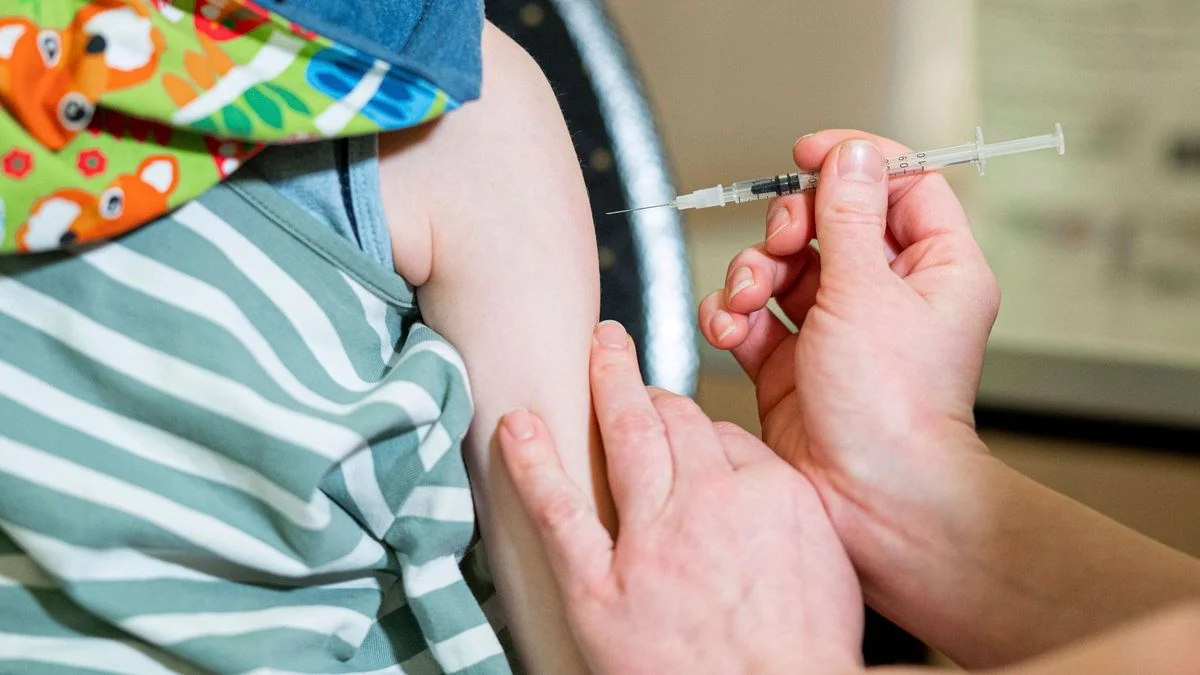
To understand why pain occurs during a C-section, one must first differentiate between "pain" and "sensation." Regional anesthesia—the gold standard for C-sections—is designed to block nerve signals from the lower body to the brain. A spinal anesthesia (intrathecal) involves injecting local anesthetic into the fluid-filled space surrounding the spinal cord, while an epidural involves placing a catheter into the space just outside the membrane.
Ideally, these blocks induce a profound sensory and motor blockade. However, the procedure remains highly invasive. Surgeons must manipulate tissue, move organs to access the uterus, and apply significant pressure to maneuver the infant into the birth canal.
The Physiological Limits of Regional Blocks
While regional anesthesia is highly effective at blocking nociception (the signal of tissue damage), it is less effective at blocking deep pressure and "proprioception"—the body’s awareness of its own position. Many women report that while they do not feel the scalpel, they feel a terrifying sensation of being "tugged" or "ripped" apart. For many patients, the brain interprets this extreme pressure as pain, leading to acute distress, panic attacks, and long-term psychological trauma.
A Chronology of Clinical Oversight
The history of anesthesia in obstetrics is marked by a transition from general anesthesia to regional techniques, primarily to increase maternal safety and allow for immediate bonding.
- 1970s–1980s: Regional anesthesia becomes the standard. The primary clinical focus shifts toward preventing maternal mortality and ensuring the fetus is not sedated by systemic drugs. Success is defined by the infant’s Apgar score and the mother’s ability to remain conscious.
- 1990s–2000s: The "Routine Procedure" narrative solidifies. Because the maternal mortality rate associated with anesthesia drops precipitously, the medical community begins to view C-sections as low-risk events. The subjective reporting of pain by patients is often categorized as "anxiety" rather than "anesthesia failure."
- 2010s: The rise of patient advocacy groups and online forums allows women to share their birth experiences. Reports of "feeling everything" during a C-section emerge as a common theme, leading to academic interest in "accidental awareness" and "suboptimal block quality."
- 2020–Present: Research begins to quantify the incidence of intraoperative pain. Recent studies suggest that between 5% and 15% of women undergoing elective or emergency C-sections experience some form of pain or discomfort that requires intervention, such as supplemental sedation or conversion to general anesthesia.
Supporting Data: When the Math Doesn’t Match the Reality
The disconnect between clinical standards and patient reports is stark. Clinical success for an anesthesiologist is often measured by the absence of pain that forces the surgeon to stop or the patient to be put under general anesthesia. However, patients measure success by their comfort and lack of fear.
Key Factors Contributing to Suboptimal Blocks:
- Anatomical Complexity: Variations in the spinal column can make the precise placement of an epidural or spinal needle difficult. In cases of obesity, scoliosis, or previous spinal surgery, the "spread" of the anesthetic may be uneven, leading to "patchy" blocks.
- Drug Concentration and Timing: There is a delicate balance between the concentration of the anesthetic and the patient’s hemodynamic stability. High doses can cause a dangerous drop in blood pressure, leading clinicians to use lower concentrations, which may sacrifice the depth of the block.
- Emergency Circumstances: In an emergency C-section, the time pressure is immense. If a patient already has a labor epidural in place, doctors may attempt to "top up" the catheter rather than starting a fresh, stronger spinal block. These "top-ups" are notorious for being less effective than primary spinal injections.
Official Responses and the Medical Community
The medical establishment has begun to acknowledge the phenomenon, albeit slowly. The American Society of Anesthesiologists (ASA) and European counterparts have published updated guidelines emphasizing the importance of "patient-centered outcomes."
Leading researchers argue that the "pain-free" myth needs to be dismantled. "We need to stop telling women they will feel absolutely nothing," notes one leading obstetric anesthesiologist. "Instead, we should be preparing them for the reality of pressure and pulling, and ensuring they have the tools—and the psychological support—to handle it."
Furthermore, there is a growing push for better communication. Studies have shown that when patients are warned that they will feel pressure, they are less likely to interpret that pressure as an anesthesia failure or a sign of impending pain.
The Psychological Implications: The Silent Trauma
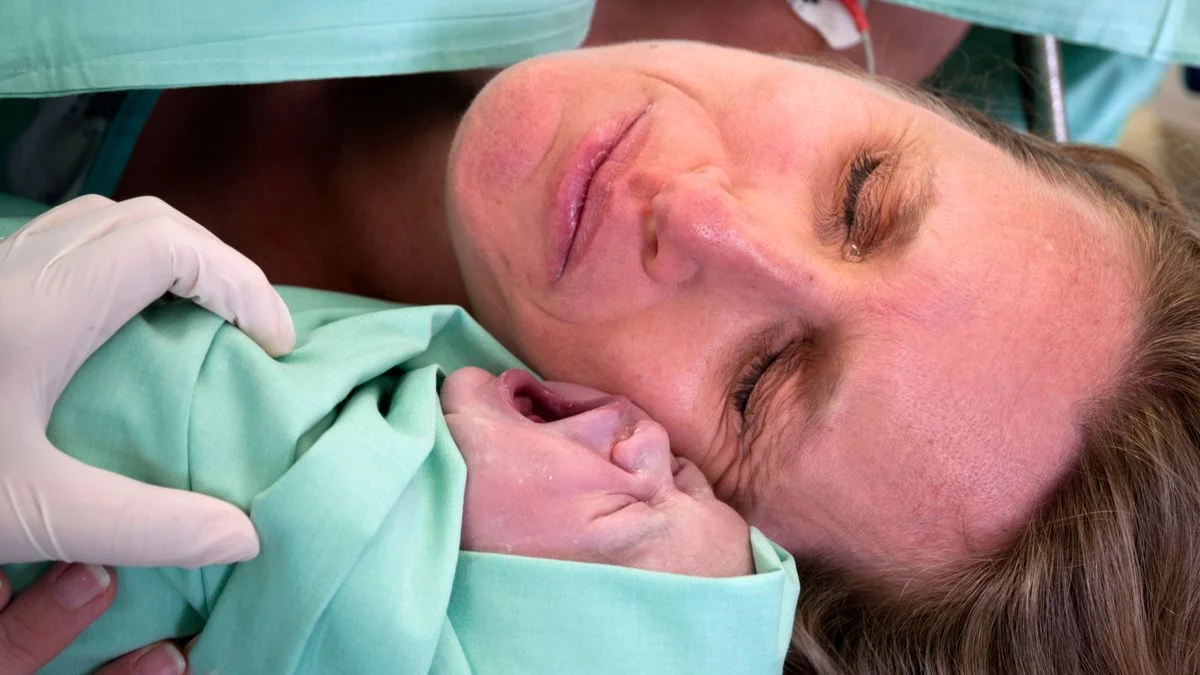
The repercussions of painful C-sections are not merely physical; they are deeply psychological. The experience of being strapped to an operating table, feeling the invasive nature of the surgery, and being unable to stop the process can lead to post-traumatic stress disorder (PTSD).
Birth Trauma and Its Long-Term Effects
For many women, the trauma of a painful C-section manifests as:
- Postpartum Depression: The sense of loss of control during childbirth can trigger or exacerbate depression.
- Avoidance of Future Pregnancies: Many women report that the fear of re-experiencing the pain prevents them from wanting additional children.
- Difficulty Bonding: A traumatic birth experience can interfere with the initial bonding process, as the mother’s focus is on her own survival and distress rather than the newborn.
Bridging the Gap: What Needs to Change?
To improve outcomes, the medical community must move toward a more integrated model of care:
- Refined Anesthetic Protocols: Implementing more precise testing of the block before the first incision. If a patient feels cold or sharp sensations in the surgical area, the block should be considered incomplete, and the start of the surgery delayed.
- Psychological Preparation: Pre-operative counseling that moves beyond the medical risks and addresses the sensory experience of the procedure.
- Better Patient-Clinician Communication: The presence of an anesthesiologist whose sole role is to monitor the patient’s comfort and provide immediate, empathetic feedback during the surgery.
- Routine Post-Op Debriefing: Establishing a system where the patient’s experience is validated. If a patient reports pain, it should be documented as a clinical complication rather than dismissed as patient anxiety.
Conclusion
The reality of C-section anesthesia is that while the procedure is remarkably effective at keeping patients safe, it is not always effective at keeping them comfortable. The high percentage of women reporting distress indicates that the medical community has prioritized the physiological outcome of a successful birth over the experiential outcome of a peaceful one.
Moving forward, the focus must shift from the narrow metrics of "maternal mortality" to a broader definition of "maternal health," which includes the dignity and comfort of the woman during the birth of her child. By acknowledging the limitations of current anesthesia and prioritizing honest communication and rigorous testing of sensory blocks, we can transform the C-section from a potentially traumatic experience into a controlled, safe, and dignified medical procedure. The silence surrounding this issue is finally breaking, and the evidence suggests that listening to the patient is not just a courtesy—it is a medical necessity.