WINSTON-SALEM/NEW YORK — As the German national team settles into its preparations for the final group stage fixture of the 2026 FIFA World Cup, the atmosphere within the squad is a complex blend of professional confidence and mounting medical anxiety. Having already secured their passage to the Round of 16 and a top spot in Group E, Julian Nagelsmann’s side now shifts its focus to a final test against Ecuador in New York/New Jersey. However, the prevailing narrative is dominated by the health of defensive anchor Nico Schlotterbeck and the broader tactical evolution of a team that has defied expectations early in the tournament.
The Core Challenge: The Schlotterbeck Uncertainty
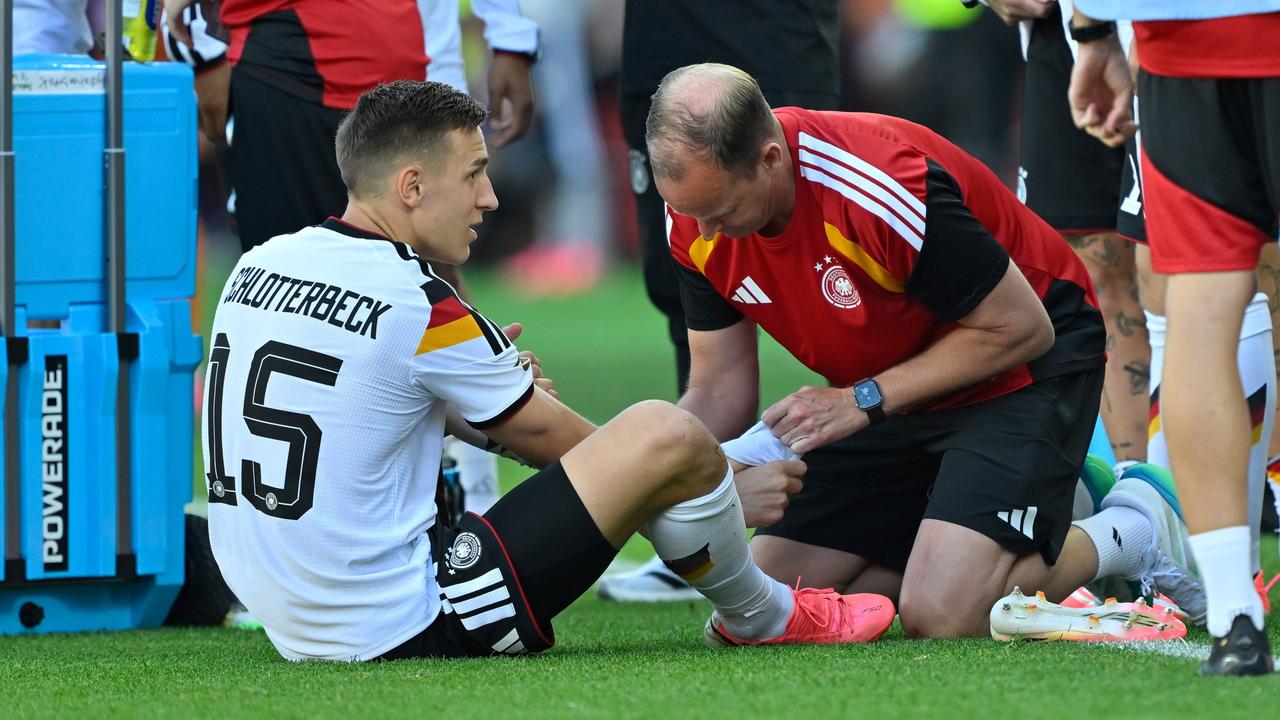
The most pressing concern for the DFB (German Football Association) medical staff and coaching team is the condition of Borussia Dortmund defender Nico Schlotterbeck. During the hard-fought 2-1 victory over the Ivory Coast in Toronto, Schlotterbeck was forced to leave the pitch after suffering a knock to his knee during a challenge with Amad Diallo.
Initial assessments by head coach Julian Nagelsmann have been cautious but pessimistic. "It definitely doesn’t look great—unfortunately," Nagelsmann remarked following the match. While initial reports suggested a potential issue with the medial collateral ligament, the team remained tight-lipped regarding a definitive diagnosis as of Monday morning. The absence of a clear timeline for his recovery leaves a gaping hole in Germany’s defensive structure, forcing the staff to weigh the risks of pushing him back into action versus integrating an alternative for the knockout rounds.
The internal contingency plan is already in motion. Antonio Rüdiger, who replaced Schlotterbeck during the Ivory Coast match, performed admirably, filling the void with composure. However, the potential for a prolonged absence for such a key defensive figure looms over the camp as they transition to the high-stakes environment of the knockout stages.
Chronology of a Successful Group Stage
The journey to the top of Group E has been defined by late-game heroics and unexpected tactical fluidity.
- The Opener: The campaign began with a resounding 7-1 dismantling of Curaçao, a statement victory that established the team as an early tournament favorite.
- The Mid-Tournament Drama: The match against the Ivory Coast proved to be a different test entirely. After falling behind 1-0, the team relied on the bench, with Deniz Undav emerging as the hero, netting a late brace to secure a 2-1 win. This match was marred by a heated exchange regarding "fair play," as the Ivorian coaching staff, led by Emerse Faé, criticized the German side for their conduct during an injury stoppage in the 80th minute.
- The Current Status: With the group lead secured, the team enjoyed a well-deserved day off on Monday in Winston-Salem. The itinerary now calls for a transition to New York, where the final group match against Ecuador will serve as a testing ground for rotation players and tactical adjustments before the knockout phase begins.
Tactical Depth and the "Super-Sub" Narrative
One of the most heartening developments for Julian Nagelsmann has been the impact of his substitutes. The depth of the German squad has moved from being a talking point to a genuine match-winning asset.
"It has an emotional impact," Nagelsmann noted regarding his substitutes’ performances. "The boys already had a good bond before, but it is incredibly beautiful when you bring in players who decide games. It shows the group that it isn’t just talk when we say we need everyone."
The performance of Deniz Undav has been particularly noteworthy. His ability to impact the game from the bench has provided Germany with an offensive dimension that was lacking in previous tournaments. Furthermore, tactical contributions from players like Nadiem Amiri, whose precise crossing set up the equalizer against the Ivory Coast, and the defensive solidity of Antonio Rüdiger, have allowed Germany to weather tactical storms that might have sunk them in past years.
Official Perspectives and Leadership
DFB President Bernd Neuendorf has been quick to praise the team’s collective spirit. "The fact that our team has achieved the group victory ahead of schedule fills me with pride and joy," Neuendorf stated. He emphasized that the intensity of the Ivory Coast match served as a benchmark for the squad’s resilience.
Beyond the technical results, Neuendorf underscored the importance of the team’s chemistry. "This team shows us all that cohesion and standing up for each other on and off the pitch can achieve great things," he added.
Conversely, the camp has had to navigate external criticism. Ivory Coast coach Emerse Faé’s public frustration with the German team’s conduct highlighted the intense pressure of the tournament. The incident involving Wilfried Singo, who went down with a perceived injury to force a stoppage, became a flashpoint. While Nagelsmann and his team have largely kept their focus on the pitch, these moments of tension reflect the high-stakes reality of the 2026 World Cup.
Supporting Data: By the Numbers
- The Neuer Record: Manuel Neuer has cemented his place in history, reaching 21 World Cup appearances—a record for a goalkeeper. At 40 years old, his continued dominance and leadership have provided a stabilizing force for a relatively young defensive line.
- The Undav Factor: Deniz Undav’s double against the Ivory Coast follows a trajectory of high-impact performances that trace back to his club days, where he was once nominated for the "Goal of the Month" for a 50-meter strike.
- Fan Engagement: The "fan-shirt" initiative, which features the names of supporters on the back of the coach’s and players’ kits, has created a visible bridge between the squad and the German public, with morale reaching a high point following the 7-1 victory in the opener.
Implications for the Knockout Stage
As the team looks ahead to the Round of 16, the implications of the upcoming match against Ecuador are clear. With qualification secure, Nagelsmann has the luxury—and the necessity—to experiment.
Strategic Rotation
The match against Ecuador is the ideal window for the coaching staff to assess the fitness of peripheral players. With a high likelihood of facing a powerhouse like Brazil or a disciplined side like Scotland in the next phase, preserving energy and ensuring that tactical secondary plans are fully integrated is paramount.
Defensive Reconfiguration
The potential loss of Schlotterbeck forces a tactical shift. If he is unavailable, the team must decide whether to retain the current back-four structure with Rüdiger or move to a more conservative formation to accommodate the injury-depleted roster.
The Psychological Edge
The German team is currently riding a wave of momentum, but the "fair play" controversy and the physical toll of the group stages are potential distractions. Maintaining the "cool" that veteran Manuel Neuer advocates will be the defining challenge. The team’s ability to remain disciplined under the intense spotlight of the knockout rounds will determine whether this campaign ends in glory or heartbreak.
Conclusion: A New Era for the DFB?
The 2026 World Cup has, thus far, been a tournament of redemption for the German national team. By moving past the frustrations of previous cycles and embracing a culture of shared responsibility and bench-strength, Nagelsmann has built a unit that feels fundamentally different from its predecessors.
As they fly to New York, the focus remains singular: to close out the group stage with a professional performance against Ecuador and then prepare for the unpredictable, high-pressure environment of the knockout stages. Whether Nico Schlotterbeck returns to the pitch or not, the message from the German camp is clear: this team is no longer relying on individuals, but on the collective strength of a squad that, for the first time in a decade, feels truly united.