The German political landscape is currently dominated by a heated debate over the future of the nation’s social security system. A set of contentious proposals released by the government’s Rentenkommission (Pension Commission) has ignited fierce opposition from the Juso, the youth organization of the Social Democratic Party (SPD). At the heart of the disagreement is the proposed link between the statutory retirement age and the average life expectancy of the German population—a move that youth leaders argue is fundamentally unjust and socially regressive.
The Core Controversy: A Question of Generational Fairness
The Pension Commission’s latest recommendations, which were made public over the past weekend, suggest a series of structural adjustments aimed at ensuring the long-term solvency of the German pension system. Among the most controversial measures are the gradual increase of the retirement age, the abolition of the "retirement after 45 years of contributions" scheme, and the introduction of a mandatory capital-funded pension component.
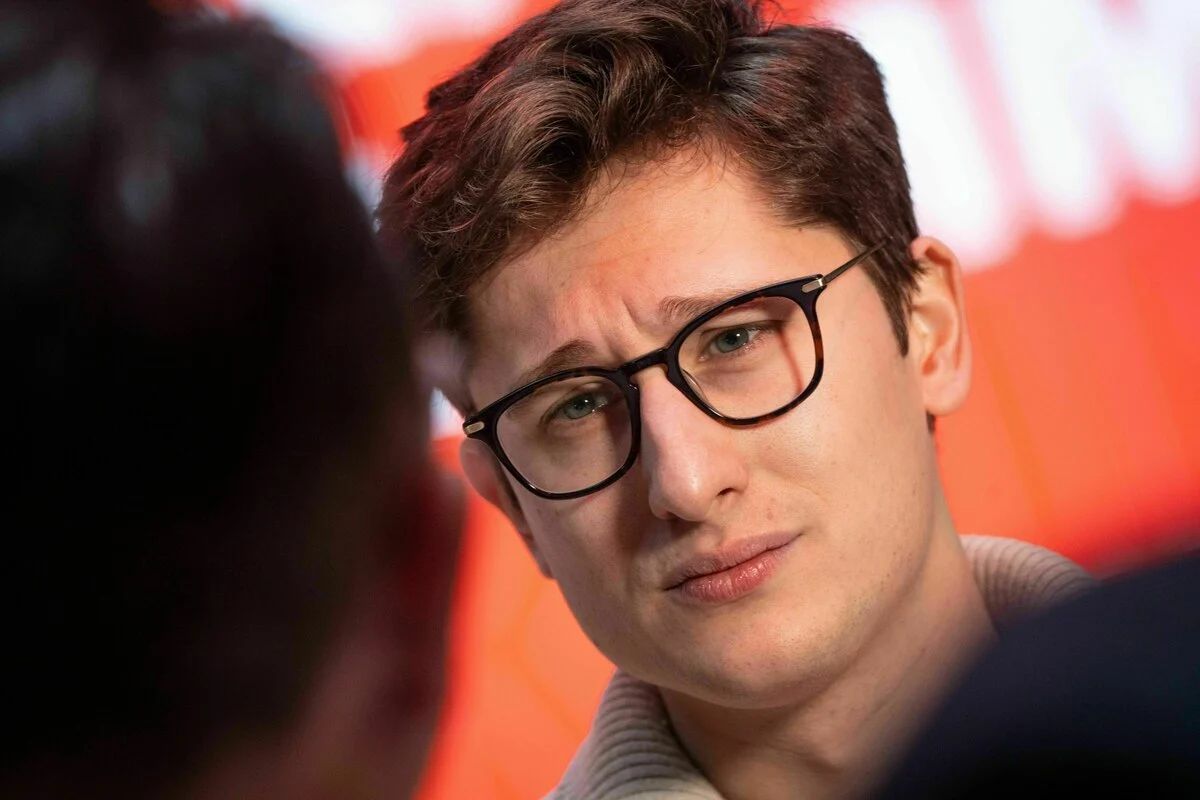
Philipp Türmer, the federal chairman of the Jusos, has emerged as a leading critic of these plans. In a statement to the Funke Mediengruppe, he characterized the proposals as "unacceptable" and fundamentally "socially unjust." According to Türmer, the decision to index the retirement age to average life expectancy ignores the stark realities of socioeconomic inequality in the workforce.
"Life expectancy is not rising equally for everyone," Türmer stated. "Those who begin working in physically demanding sectors like construction or nursing at the age of 18 or 19 are forced to work longer, yet they statistically live significantly shorter lives."
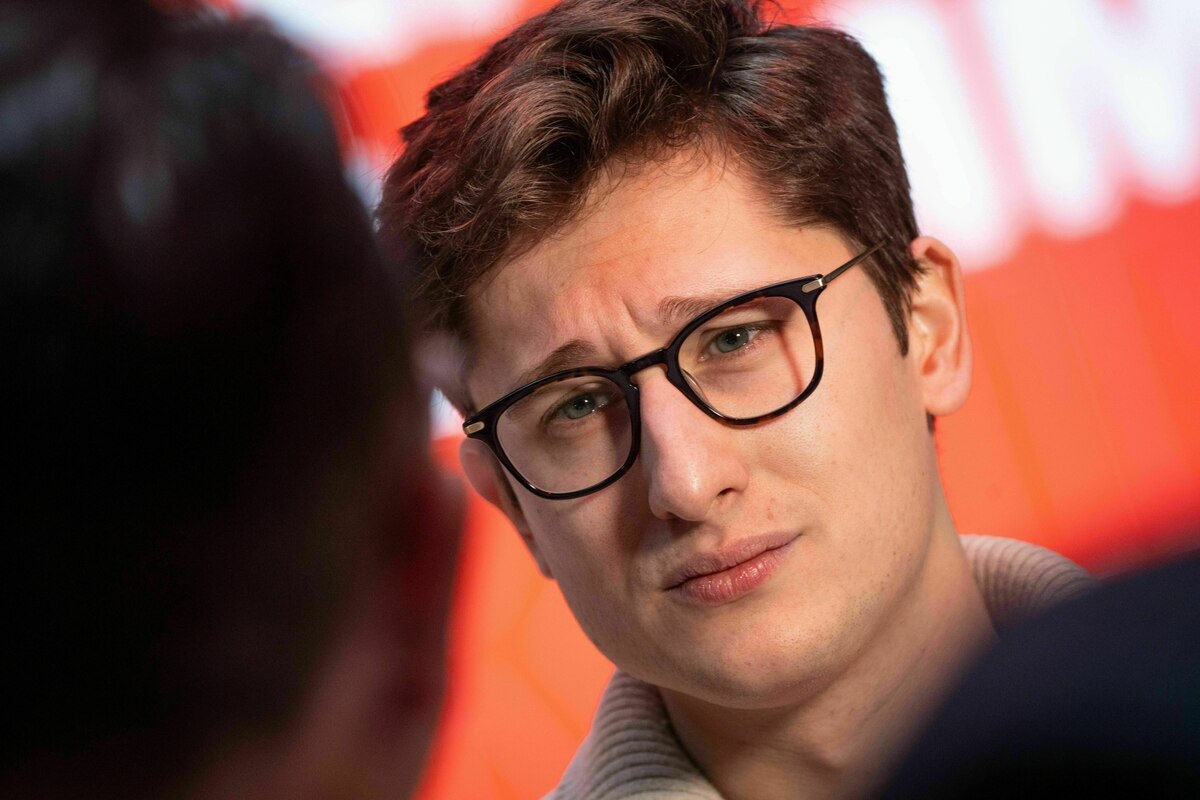
The Jusos argue that the Commission’s approach places an unfair burden on the shoulders of younger generations and those in manual labor professions, who are effectively being asked to work longer despite having higher levels of physical exhaustion.
Chronology of the Pension Reform Debate
The discourse surrounding German pension reform has been a slow-burning issue that has reached a boiling point in recent weeks.
- Mid-2024: The government-appointed Pension Commission enters its final phase of deliberations, tasked with finding a balance between an aging demographic and the financial sustainability of the public pension fund.
- Early Last Weekend: The Commission releases its comprehensive report, proposing a shift away from pure pay-as-you-go funding toward a more capital-market-integrated model, alongside an incremental increase in the statutory retirement age.
- Monday Morning: Following the leak and subsequent official publication of the recommendations, the Jusos issued their formal rebuttal, signaling a potential rift within the SPD-led governing coalition.
- Current Week: The debate has expanded to include labor unions, economic experts, and opposition parties, all of whom have begun to dissect the potential long-term impacts of these changes on social cohesion.
The Economic and Social Data: Why the Disagreement?
To understand the intensity of the pushback, one must look at the demographic and economic pressures currently facing Germany. The "baby boomer" generation is entering retirement in record numbers, which puts unprecedented strain on the current pension pool.
Demographic Shifts
Germany is witnessing a demographic bottleneck. As the working-age population shrinks, the ratio of contributors to pensioners is becoming increasingly lopsided. The government’s logic for raising the retirement age is based on actuarial data showing that, on average, citizens are living longer, healthier lives.

The "Exhaustion" Argument
However, the counter-argument, championed by the Jusos, focuses on "healthy life years" rather than total life expectancy. Data indicates that while university-educated professionals in sedentary jobs may indeed work comfortably into their late 60s, laborers in blue-collar sectors often face chronic health issues or physical burnout long before reaching the current retirement age.
The Jusos advocate for a system linked to "years of service" (Lebensarbeitszeit) rather than age. They argue that if an individual has contributed to the system for a set number of decades, they should be entitled to a full pension regardless of their chronological age. This, they claim, is the only way to avoid punishing the working class.
Official Responses and Political Implications
The backlash from the Jusos puts the SPD leadership in a difficult position. As the party currently holding the chancellery, the SPD must balance fiscal responsibility—often dictated by the demands of coalition partners and the constraints of the "debt brake"—with its core identity as a party for the working class.
The Union Perspective
Labor unions have largely aligned with the Jusos, warning that the abolition of the 45-year contribution rule will strip away a critical safety net for long-term employees. Union representatives have expressed concern that these measures will lead to "old-age poverty" among those who started their careers early and cannot sustain physically demanding work for an additional year or two.

The Economic Defense
Proponents of the Commission’s plan, including several economic research institutes, argue that the status quo is financially suicidal. They maintain that without an increase in the retirement age, either pension levels must fall significantly or contribution rates must rise to levels that would stifle economic growth and place an intolerable burden on current workers.
Implications for the Future of Work
The debate over the pension reform is not just about numbers; it is a fundamental debate about the social contract in 21st-century Germany.
A Shift to Capital-Funded Pensions
The proposed introduction of a mandatory capital-funded pension represents a historic pivot for the German system. While intended to diversify risk and increase returns, critics fear it exposes the elderly to the volatility of global financial markets—a stark departure from the security promised by the traditional, state-guaranteed model.
Generational Equity
The Jusos have explicitly warned against "playing generations against each other." By framing the reform as a measure that disproportionately hits the young—who will have to work longer and receive less—the youth movement is attempting to mobilize a demographic that often feels ignored by mainstream pension policy.

Conclusion: A Long Road Ahead
As the political maneuvering continues, the government faces a narrow path. The proposals currently on the table are unlikely to pass without significant amendments if the SPD wishes to avoid alienating its core base. The rhetoric from the Jusos, led by Philipp Türmer, serves as a warning shot: the government will be judged on whether its final policy truly protects those who sustain the country with their physical labor.
For the moment, the proposed pension reform remains a draft, subject to intense parliamentary negotiation. Whether the government can find a middle ground between the cold calculations of economic sustainability and the demand for social justice remains the defining question of the current legislative session. The struggle is far from over, and it promises to reshape the relationship between the state, the workforce, and the future of the elderly in Germany.
For those seeking to follow this development, the ongoing discussions in the Bundestag will be critical. The tension between the Pension Commission’s desire for fiscal stability and the Jusos’ insistence on social equity will likely define the outcome of this legislative struggle for months to come.