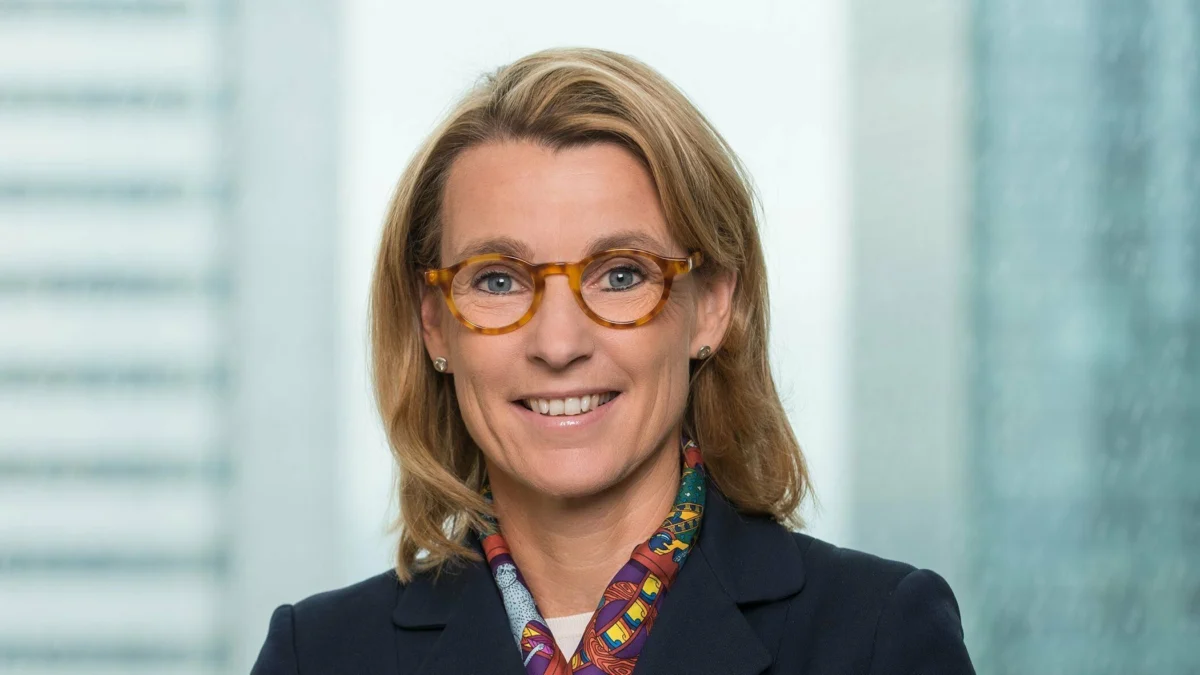
NEW YORK – In a significant restructuring of its global leadership, J.P. Morgan Chase, the world’s preeminent financial institution, has announced a pivotal change at the helm of its investment banking division. Dorothee Blessing, a veteran powerhouse in the financial sector, has been elevated to the role of Co-Head of Investment Banking. This appointment marks a historic milestone, positioning Blessing as the highest-ranking German executive within a major Wall Street institution.
The transition, confirmed by a bank spokesperson on May 13, 2026, signals a strategic pivot for the bank as it seeks to navigate an increasingly complex global economic landscape. Moving forward, Blessing will relocate to New York, shifting the center of her operations from London, where she previously held a prominent global leadership role.
The New Triad: A Collaborative Leadership Model
The restructuring replaces traditional singular leadership with a collaborative "triad" model. Blessing will share the mantle of leadership with two other senior executives, Kevin Foley and Jared Kaye. This triumvirate has been tasked with steering the investment banking arm through a period of anticipated growth and technological disruption.
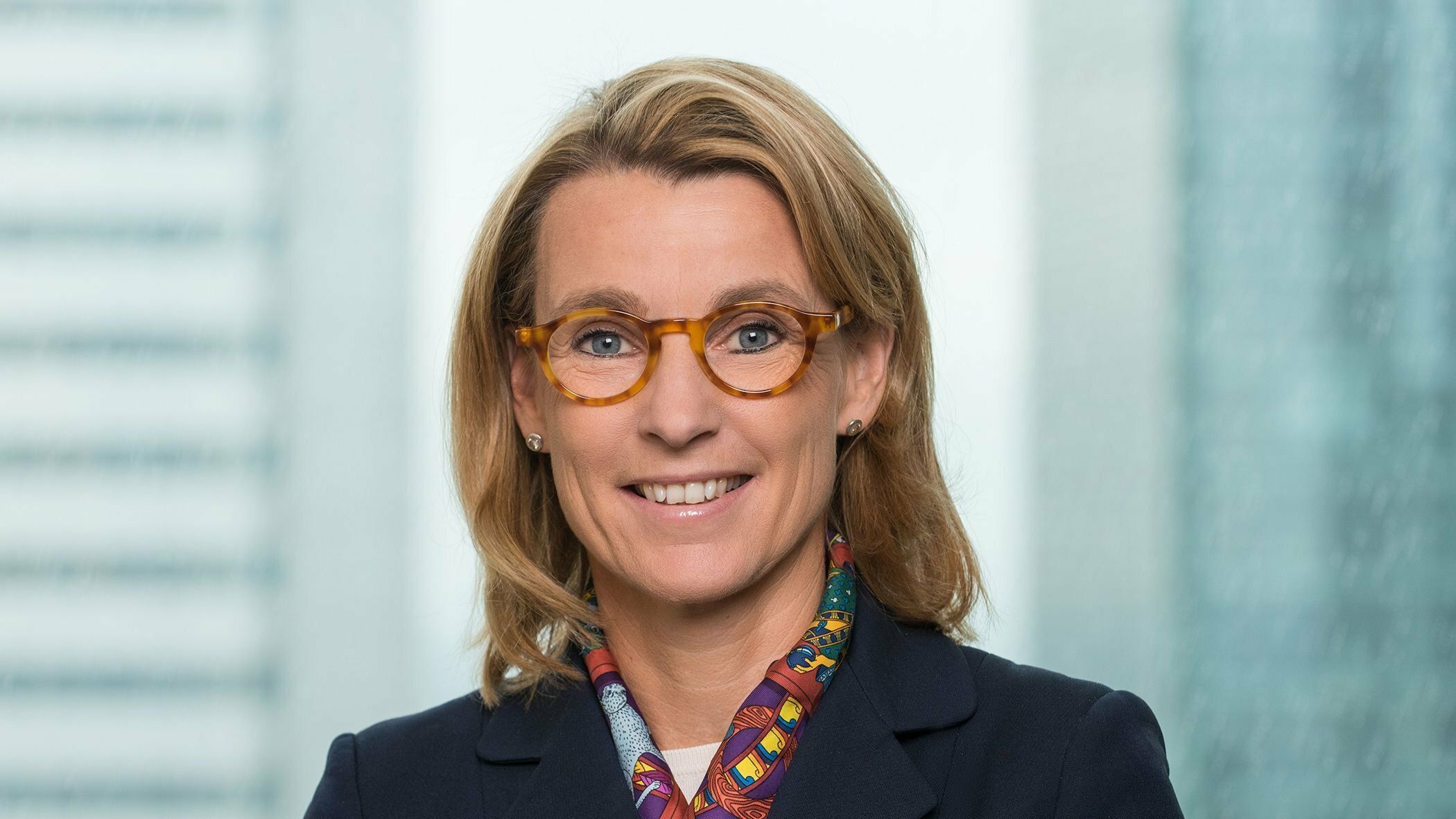
The appointment is not merely a bureaucratic shift but a reflection of J.P. Morgan’s commitment to integrating its global operations more tightly. By bringing an executive of Blessing’s caliber to the heart of the New York headquarters, the bank aims to harmonize its European expertise with its massive North American presence.
The new leadership trio will report directly to John Simmons and Filippo Gori, who retain their roles as the joint heads of the global banking division. This reporting structure suggests a highly integrated, top-down strategy designed to ensure that the bank’s various regions operate in lockstep with the firm’s broader corporate objectives.
A Professional Trajectory of Excellence
To understand the weight of this appointment, one must look at the career trajectory that led Dorothee Blessing to the top of the "Big Four" banking hierarchy. Her career has been defined by a deep expertise in corporate advisory, cross-border mergers and acquisitions, and capital markets.

Before this elevation, Blessing was instrumental in managing and growing J.P. Morgan’s footprint in Europe. Her ability to navigate the complex regulatory and economic environments of the European Union, coupled with a keen eye for deal-making, made her an indispensable asset to the bank. Colleagues often describe her as a "calm force" in the often volatile environment of investment banking, characterized by a pragmatic, data-driven approach to client relationships.
Market Dynamics: A Boom in Investment Banking
The timing of this leadership shuffle is anything but coincidental. The global investment banking landscape is currently experiencing a robust, albeit cautious, recovery. According to recent internal data, the division for Mergers and Acquisitions (M&A) witnessed a staggering 82 percent surge in activity during the first quarter of 2026, totaling approximately $1.3 billion in revenue.
This resurgence is driven by a combination of factors:
- Corporate Consolidation: Companies are increasingly looking to inorganic growth as a means of securing market share in a post-inflationary environment.
- Renewed Investor Confidence: The stabilization of interest rates in major economies has encouraged firms to return to the capital markets.
- Equity Placements: Fees derived from equity offerings have outperformed analyst expectations, reaching $472 million in the first quarter alone.
The leadership team of Blessing, Foley, and Kaye will be tasked with capitalizing on this momentum while maintaining the stringent risk-management protocols that have kept J.P. Morgan as a global leader in financial stability.
The IPO Pipeline: Navigating the "Musk Factor"
Perhaps the most significant challenge—and opportunity—facing the new leadership team in the coming months is the anticipated surge in Initial Public Offerings (IPOs). The market is bracing for a wave of high-profile listings, most notably the much-discussed "Mega-IPO" of Elon Musk’s aerospace giant, SpaceX.
J.P. Morgan is one of several major financial institutions involved in the preparatory work for this transaction. The complexity of such a listing, given the high-profile nature of the company and the technological demands of the industry, requires steady and experienced hands at the helm. Blessing’s expertise in navigating intricate capital structures will be vital as the bank manages its role in these high-stakes market entries.

The Strategic Importance of the New York Hub
Blessing’s move to New York is emblematic of a broader trend: the centralization of decision-making power in the U.S. financial capital. As global markets become more interconnected, the ability to coordinate across time zones and regulatory jurisdictions is paramount.
For J.P. Morgan, having a leader with deep European roots working from the New York office provides a unique bridge. It facilitates a "global-first" mindset that is essential for competing with other behemoths like Goldman Sachs and Morgan Stanley. This move is expected to streamline communication between the bank’s European satellite offices and its North American headquarters, reducing the lag that often accompanies global decision-making.
Official Responses and Industry Outlook
While official press releases from the bank have been concise, industry insiders have been vocal in their praise of the move. Analysts suggest that the "three-headed" leadership structure is a deliberate choice by the board to decentralize power while fostering internal competition and cooperation.

"It’s a bold move," noted one senior analyst at a competing firm. "By elevating someone with a strong international track record like Blessing, J.P. Morgan is signaling that they are not just a U.S. bank with an international presence, but a truly global firm where talent can rise to the top regardless of their original base of operations."
The bank has not released a detailed manifesto regarding its future, but the consensus among shareholders is that the transition represents continuity rather than a radical departure. The focus remains on profitability, technological investment, and market dominance.
Broader Implications for the Financial Sector
The elevation of Dorothee Blessing also carries implications for the representation of women and international talent in executive suites. For too long, the upper echelons of Wall Street have been criticized for a lack of diversity. While one appointment does not solve systemic issues, it sets a precedent that high-level, critical banking roles are accessible to a more diverse cohort of leaders.

Furthermore, this appointment highlights the importance of institutional knowledge. Blessing’s long tenure at the bank means she understands the internal culture, the risk appetite of the firm, and the subtle nuances of its client base. In an era where many banks have struggled with high turnover and leadership instability, J.P. Morgan is playing a "safe pair of hands" card, banking on internal growth to secure its future.
Conclusion: Looking Ahead
As Dorothee Blessing prepares for her new chapter in New York, the financial world will be watching closely. The challenges are clear: a volatile IPO market, a complex geopolitical landscape, and the constant pressure to innovate in the face of fintech competition.
However, the foundation is strong. With a 82 percent increase in M&A activity and a clear strategy to dominate the upcoming wave of public offerings, the investment banking division of J.P. Morgan appears to be entering a new, dynamic era. Under the guidance of Blessing, Foley, and Kaye, the bank is poised not just to participate in the market, but to define it.

The transition marks a personal triumph for Blessing, but more importantly, it marks a strategic evolution for one of the most important institutions in the global economy. As she takes her seat in New York, she carries with her not only the expectations of her peers but the weight of a bank that is betting on her leadership to define the next decade of investment banking excellence.