Introduction: A Strategic Pivot at the Helm
The corridors of Munich’s banking powerhouse, BayernLB, are currently the site of significant strategic maneuvering. Following the confirmed news of Michael Winkelmeier’s premature departure from his role as CEO, the state-backed lender finds itself at a critical juncture. The bank, which serves as the central institution for the Bavarian savings bank association (Sparkassen) and acts as the house bank for the Free State of Bavaria, must now navigate a leadership vacuum while balancing its dual mandate of commercial profitability and public-sector responsibility.
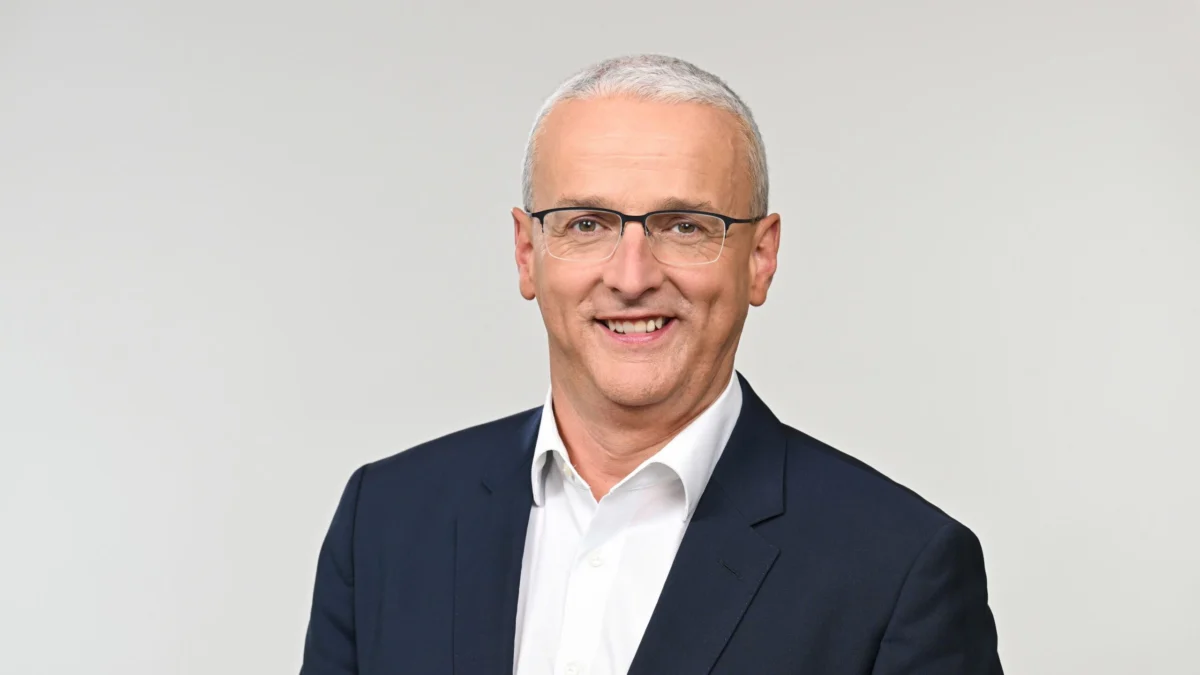
As the industry speculates on the future of the institution, focus has sharpened on the current Chief Financial Officer, Andre Haag. Reports from the financial trade publication Finanz-Szene suggest that the selection process for the next CEO is already underway, with headhunters tasked with finding an individual capable of steering the bank through the volatile macroeconomic climate of the mid-2020s.
Chronology: From Stability to Transition
The departure of Michael Winkelmeier marks the end of a tenure defined by the complex integration of digital transformation and traditional banking services. To understand the current climate, one must look at the timeline of events leading up to this transition:
- The Winkelmeier Era: Appointed to stabilize the bank following periods of restructuring, Winkelmeier focused on de-risking the balance sheet and expanding the bank’s corporate finance footprint.
- The Early Departure Announcement: Reports emerged recently confirming that Winkelmeier would vacate his position earlier than initially anticipated in his contract. While the bank has maintained a measured silence regarding the specifics, internal sources point to a desire for a "fresh start" as the bank moves into its next multi-year strategic cycle.
- The Search Begins: Upon the realization of the impending vacancy, the supervisory board initiated a search process. The requirement for the new candidate is unique: they must possess the technical acumen of a CFO while demonstrating the executive gravitas of a CEO.
- The "Haag" Factor: Industry insiders note that Andre Haag, the current CFO, was recruited with a foresight that specifically accounted for potential succession planning. The headhunters involved in his initial recruitment were reportedly given explicit instructions to identify a "dual-threat" candidate—someone who could manage the bank’s finances today and lead its entire operation tomorrow.
Supporting Data: BayernLB in the Current Market
To understand the stakes of this transition, it is necessary to examine the current standing of BayernLB. As a landesbank, it occupies a unique position in the German Drei-Säulen-Modell (three-pillar banking system).
Financial Performance Indicators
- Asset Base: BayernLB maintains a substantial balance sheet, primarily driven by its corporate banking and real estate finance segments.
- Capital Ratios: Under the outgoing leadership, the bank has maintained solid Common Equity Tier 1 (CET1) ratios, ensuring compliance with the stringent requirements set by the European Central Bank (ECB) and BaFin.
- Interest Rate Sensitivity: Like many European lenders, BayernLB has seen a fluctuating interest margin. The new CEO will need to manage the transition from a high-interest rate environment toward potential normalization.
The Institutional Mandate
BayernLB is not a standard commercial bank. Its ownership structure—split between the Free State of Bavaria and the Association of Bavarian Savings Banks—imposes a political and social dimension on the CEO’s role. The new leader must satisfy both the fiscal expectations of the Bavarian state government and the service expectations of the regional Sparkassen, which rely on the bank for liquidity and clearing services.
Official Responses and Strategic Ambiguity
When approached for comment regarding the search for a successor, a spokesperson for the bank issued a characteristically guarded statement: "A decision on the succession of Winkelmeier will be made in due course."
This statement, while standard in corporate communications, underscores the high-stakes nature of the selection process. The bank is currently in a "quiet period" regarding the specifics of the search, likely to avoid destabilizing the current management team or creating friction within the supervisory board. However, the mention of "due course" implies that the search is not merely hypothetical; it is a structured, ongoing effort overseen by the supervisory board.
The silence from the bank’s press office contrasts sharply with the buzz in the financial markets. Finanz-Szene, which first broke the story, has framed the narrative around a deliberate, long-planned succession strategy involving Andre Haag. By positioning Haag as a frontrunner, the narrative suggests that the board is looking for continuity rather than a disruptive external hire.
Implications: What Lies Ahead for the Bank?
1. Internal Stability vs. External Transformation
The potential appointment of Andre Haag would signal a preference for continuity. Having served as the CFO, Haag has intimate knowledge of the bank’s capital structure and risk profile. However, internal candidates are often viewed as "business as usual." If the supervisory board decides that BayernLB needs a radical overhaul of its business model—particularly in the face of rapid digitalization in German banking—they may still opt for an external candidate with a background in technology or retail banking, even if such a move poses a higher integration risk.
2. The Relationship with the Free State of Bavaria
The new CEO will inevitably be a political figure. Because the bank is state-owned, the Bavarian government will exert significant influence over the appointment. The candidate must demonstrate an ability to communicate effectively with political stakeholders while maintaining the bank’s independence in commercial decision-making.
3. Digitalization and the "Green" Transition
The next CEO will be tasked with steering the bank through the EU’s evolving ESG (Environmental, Social, and Governance) requirements. BayernLB has already begun integrating sustainability into its corporate loan portfolio, but the next leader must accelerate this process to avoid regulatory penalties and to align with the bank’s long-term sustainability goals.
4. The Competition for Talent
The search for a CEO at a major German lender is occurring in a competitive market for executive talent. Experienced banking leaders are increasingly wary of the regulatory burden and the public scrutiny that accompanies the role of a Landesbank CEO. The bank must provide a compelling vision for the institution to attract the caliber of leader required to maintain its competitive edge against private-sector giants like Deutsche Bank and Commerzbank.
Conclusion: The Path Forward
The departure of Michael Winkelmeier is more than a change in personnel; it is a pivot point for the strategic direction of BayernLB. Whether the bank opts for the continuity represented by Andre Haag or ventures into the unknown with an external candidate, the core challenge remains the same: balancing the conservative requirements of a state-backed lender with the aggressive demands of the modern financial services sector.
As the supervisory board continues its deliberations, the banking community will remain fixated on the outcome. The next leader of BayernLB will inherit an institution that is stable but requires vision. The "due course" mentioned by the spokesperson is quickly approaching, and with it, a new chapter for one of Germany’s most significant financial institutions. The market waits, not just for a name, but for a strategy that will define the bank’s role in the Bavarian and European economy for the next decade.
For now, the bank maintains its operations, keeping its head down as it manages the transition, but the urgency of the situation is clear. In the fast-paced world of European finance, a vacancy at the top is a luxury that no institution can afford for long. The coming weeks will likely see the formalization of the board’s decision, setting the stage for the next era of BayernLB.