By Eva Gaeding, MDR Culture Desk
Updated: October 25, 2026
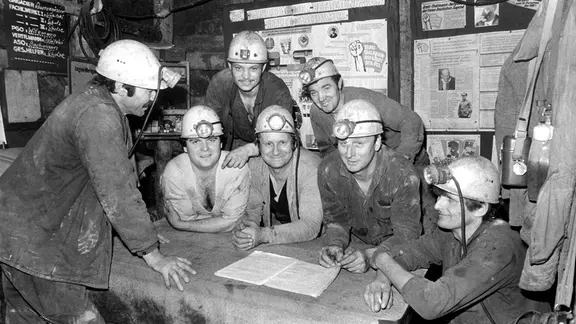
Between 1946 and 1990, the Soviet-German joint stock company "Wismut" transformed the German Democratic Republic (GDR) into the world’s fourth-largest producer of uranium. It was a massive, secretive, and grueling industrial operation that defined the economic, social, and cultural fabric of entire regions in Saxony and Thuringia. For decades, the narrative of the Wismut has been monolithically masculine: the soot-covered miner, the heavy machinery, the dangerous shifts in the deep, dark shafts. But beneath this heavy shroud of industrial history lies a neglected reality—the essential contributions of the women who worked alongside, behind, and even deep within the mines.
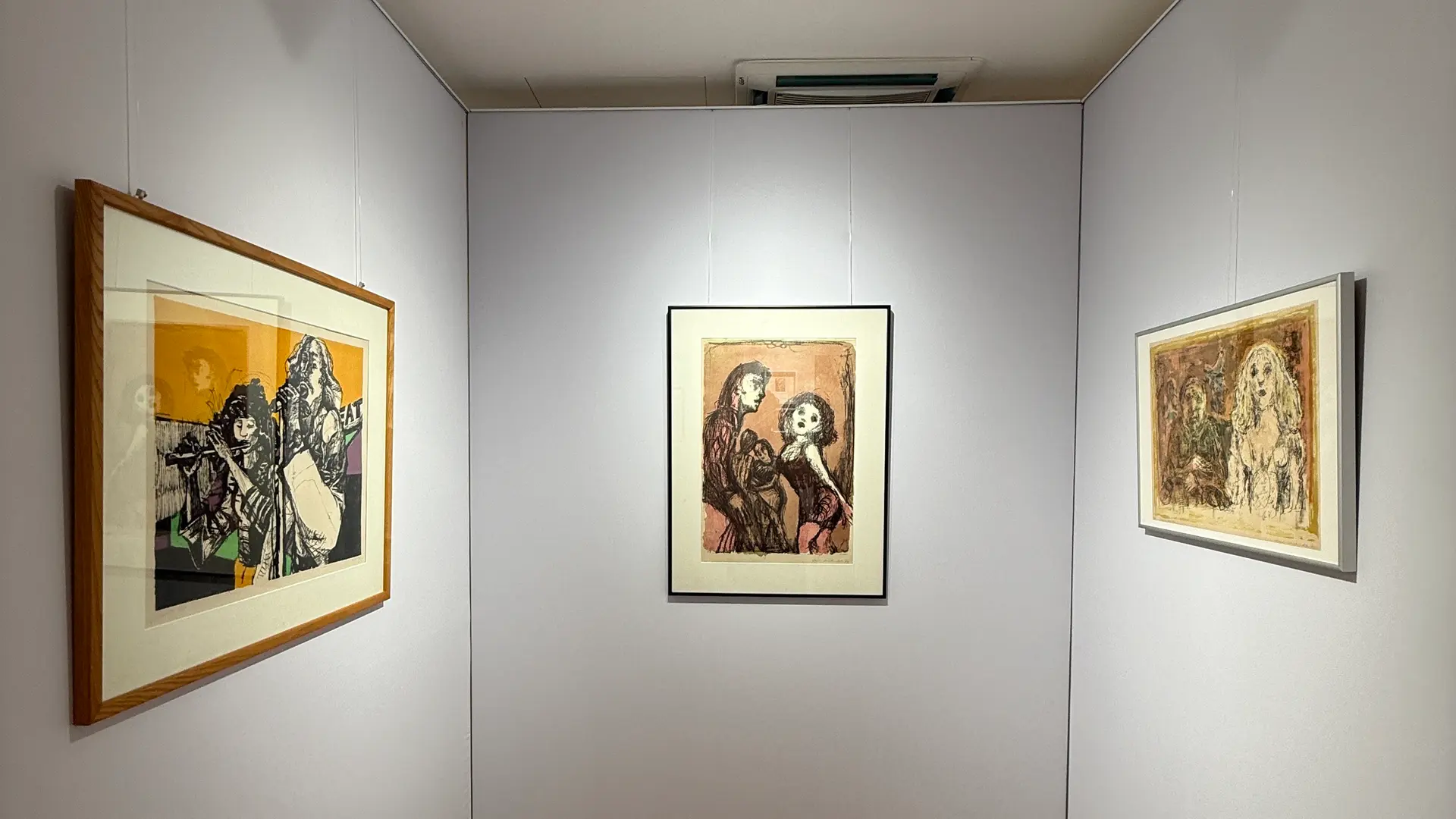
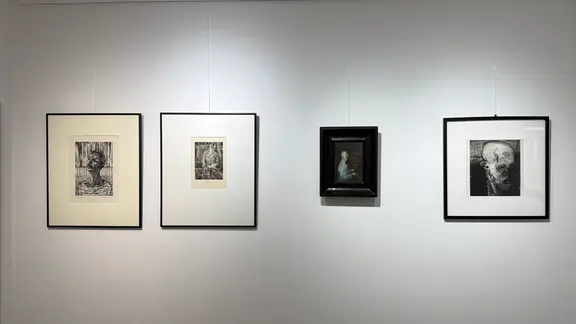
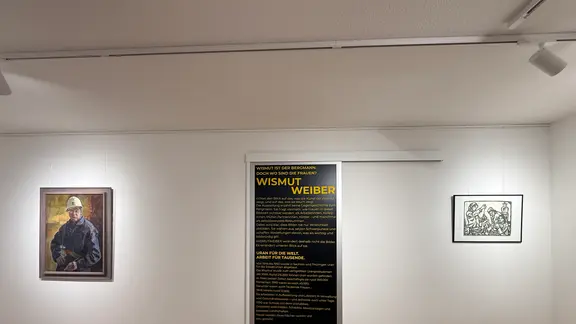
A new exhibition, "Wismutweiber" (Wismut Women), hosted at the Galerie Schöne Höhe in Pirna, is finally bringing these invisible figures into the light. By curating nearly 90 works from the Wismut art collection, the exhibition challenges the long-standing tropes of GDR history and demands a more nuanced understanding of the labor that built an empire.
The Genesis of a Provocation
The Galerie Schöne Höhe, an architectural landmark that once served as a popular excursion restaurant, sits perched high above the city of Pirna. For the past three years, the gallery has established itself as a hub for critical regional discourse. Its current exhibition, however, represents a deep dive into the archives of the Wismut company and the broader history of the mining industry.
"Wismut is mining, and mining is the miner," says gallery owner Sylvia Heilmann, reflecting on the dominant cultural narrative. "But where is the mining woman? Did she exist? And how is she reflected in the art of the time?"
The title "Wismutweiber" is intentionally provocative. By using the colloquial and often pejorative term "Weiber" (often translated as "broads" or "dames"), the curators are deliberately courting a reaction. They aim to reclaim a term that was used to belittle, using it as a vehicle to force the public to confront the reality that these were not mere side-characters, but "strong, tough, intelligent, far-sighted, and above all, incredibly stable women."
A Chronology of Omission
To understand the significance of this exhibition, one must look at the timeline of the Wismut operation. Following the end of World War II, the Soviet Union launched an urgent search for uranium to fuel its atomic ambitions. The landscape of Saxony and Thuringia was quickly militarized. While the "heroic male miner" became the central icon of socialist labor propaganda, the reality on the ground was more complex.
- 1946–1950s: The initial phase of uranium extraction was chaotic and dangerous. Women were employed in sorting facilities, laboratories, and administrative roles, often in the shadow of the mines.
- 1960s–1970s: As the industry stabilized, women moved into more technical roles, including machinery operation, surveying (as Markscheiderinnen), and complex chemical processing.
- 1980s: The late GDR era saw an increase in the artistic representation of the industry, though often framed within the narrow confines of socialist realism.
- 2026: The current exhibition at Galerie Schöne Höhe attempts to synthesize these decades by moving beyond the binary of "men at work" and "women at home."
Supporting Data: The Hidden Workforce
The statistical reality is clear: roughly 10 percent of the total workforce within the Wismut uranium mining operations was female. Yet, if one looks at the visual history provided by the state, they are largely absent or relegated to passive roles—the "mother," the "wife," the "beloved."
Heilmann and her team, including her daughter Sophia and niece Sarah, spent months sifting through the vast Wismut art collection to find works that contradicted this narrative. They discovered that the archival reality was far richer than the public memory.

One of the most striking pieces in the exhibition is Schichtbus (Shift Bus), a 1986 painting by Lutz Ketscher. At first glance, it depicts the weariness of the commute. But upon closer inspection, the figure of a woman emerges from the blue, early-morning light. She is tired, she is present, and she is a core part of the industrial cycle.
The exhibition also highlights figures like the machinist Charlotte Luga. In a 1976 etching by Frank Schult, Luga is depicted in her heavy work gear with a helmet, standing firmly on the grounds of the mine. Similarly, the artist Eva Schulze-Knabe painted herself in mining gear, complete with a brush in hand—an act of artistic defiance that claimed the space of the mine for both female labor and female creativity.
Official Responses and Cultural Impact
The Wismut legacy remains a sensitive topic in Eastern Germany. The environmental cleanup costs—totaling over 7.3 billion euros to date—have dominated the post-1990 discourse. However, the cultural legacy, housed largely in archives and smaller regional museums, has often been overlooked.
The "Wismutweiber" exhibition has garnered attention not just for its subject matter, but for its role in the broader debate about the "Gera Collection," a massive initiative aiming to bring the entirety of the Wismut art archives into a dedicated museum space. By showcasing these works in Pirna, the curators are adding a gender-critical layer to this ongoing political debate. They are arguing that the history of the GDR’s uranium empire cannot be fully understood if the contributions of 10 percent of its workforce remain categorized as "incidental."
Implications: A New Lens on Socialist Labor
The implications of this exhibition extend far beyond the walls of the Galerie Schöne Höhe. By challenging the iconography of the "heroic miner," the exhibition forces a re-evaluation of the GDR’s gender policies. While the state promoted "equality" through propaganda, the actual labor experience for women was often one of double burdens, physical strain, and professional segregation.
The exhibition suggests that the "Wismut woman" was not just a symbol, but a tangible participant in a process that was both economically vital and environmentally catastrophic. As visitors view the sketches of surveyors, the portraits of lab technicians, and the depictions of women working under the earth’s surface, the myth of the "exclusively male industry" begins to crumble.
Looking Ahead
The Wismutweiber exhibition will run until February 28, 2027. It is accompanied by a robust program, including film screenings of Konrad Wolf’s 1958 DEFA classic Sonnensucher (Sun Seekers), which deals with the uranium mining industry, and lectures that delve into the specifics of the East German "uranium empire."
For the curators, the ultimate goal is to move the conversation from the gallery back into the history books. "We want to pull these women out of the darkness of the shaft," says Heilmann. As the exhibition demonstrates, the history of the Wismut is not just a story of men with pickaxes, but of an entire society, shaped by the labor of thousands of women who, despite being marginalized by the visual culture of their time, remained the backbone of the industry.
For those traveling to Pirna, the exhibition offers a rare opportunity to see the human side of a technical, often cold, industrial history. It is a necessary, albeit long-overdue, correction to the record—a reminder that in the deep, radioactive silence of the mines, the voices and hands of women were there all along, waiting to be acknowledged.