For generations, the hiking season in the Saxon Switzerland region was strictly dictated by the calendar. Locals and visitors alike adhered to the unwritten rule of "O to O"—from Easter (Ostern) to October (Oktober). However, as climate patterns shift and the demand for outdoor experiences grows, the tourism industry is undergoing a paradigm shift. With the introduction of 20 new "Winter Strolls" along the legendary Malerweg, the region is officially signaling its transition into a year-round destination.
The End of the "O to O" Tradition
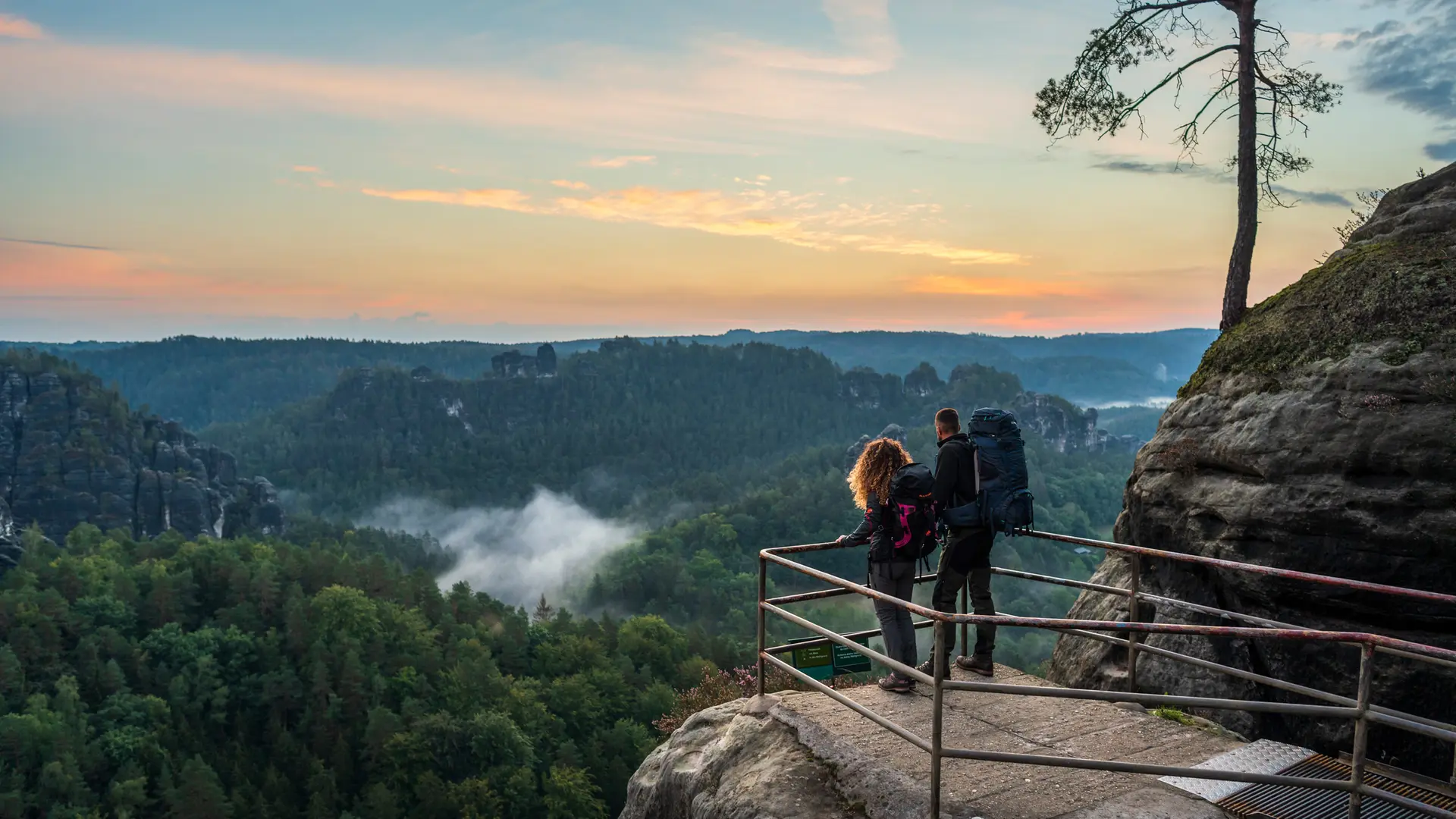
For decades, the rugged, sandstone-heavy landscape of Saxon Switzerland has been a mecca for hikers. The Malerweg, often cited as one of Germany’s most beautiful long-distance trails, has historically seen its visitor numbers plummet once the first autumn leaves fell and the chill of November set in. The rationale was simple: the terrain is challenging, the days are short, and many of the traditional mountain inns—the Bauden—would hibernate until the spring thaw.
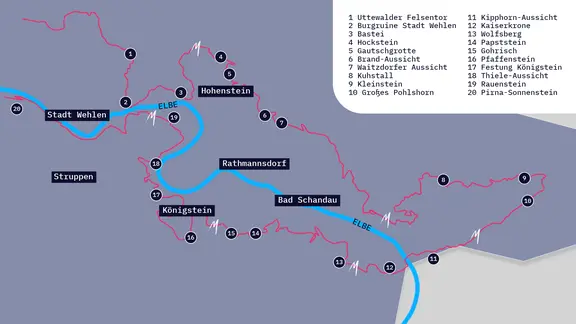
However, the Tourism Association of Saxon Switzerland (Tourismusverband Sächsische Schweiz) has decided to challenge this status quo. By curating a series of 20 short-distance, winter-optimized routes, the association aims to distribute visitor traffic more evenly throughout the year and invite nature lovers to experience the mystical, quiet beauty of the region during the colder months.
A Practical Test: The Path to the "Kuhstall"
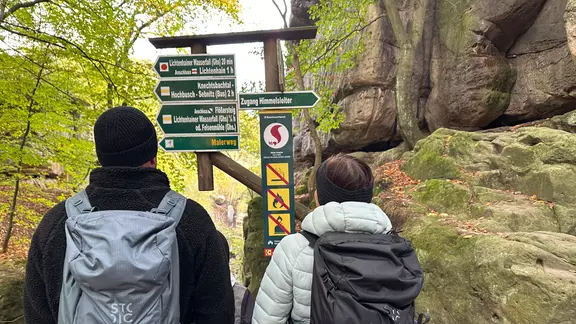
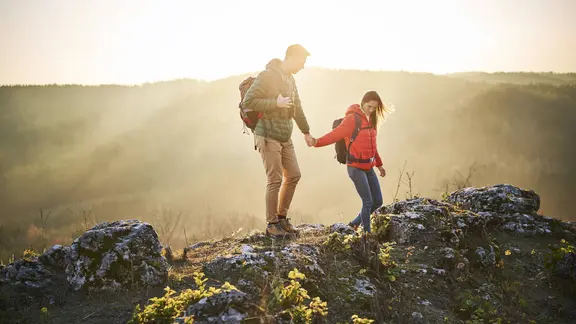
To understand what this shift feels like on the ground, a test hike was conducted on one of the new routes: a four-kilometer trek from the Lichtenhain Waterfall to the Felsenmühle, passing the iconic "Kuhstall" rock gate.
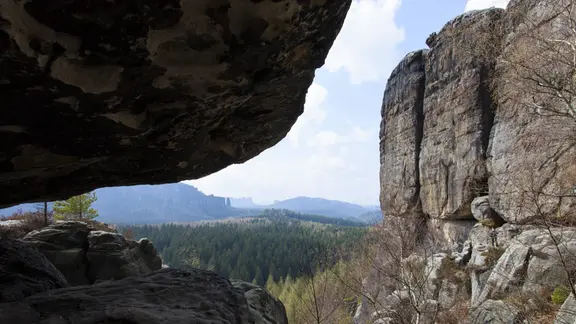
The experience is starkly different from the peak summer season. The morning air in the Kirnitzsch Valley is crisp, the light is soft and diffused, and the usual hustle and bustle of tourist groups is replaced by a profound, echoing silence. Accessible via the historic Kirnitzschtalbahn—a tram line that remains a vital artery for the region—this route serves as a perfect microcosm of what the new winter initiative offers: accessibility, manageable distances, and high-impact scenery.
Chronology of a Tourism Shift
The initiative is not a spur-of-the-moment decision but the result of a long-term strategy to combat the economic fragility of seasonal tourism.
- Pre-2020: The region relied heavily on the peak summer season. Infrastructure, including transport and gastronomy, was largely dormant from November through March.
- 2021–2023: Regional planners began analyzing "micro-adventure" trends. They observed that hikers were increasingly seeking shorter, more flexible routes that could be completed in half a day, allowing them to return to warm accommodations by dusk.
- October 2026: The launch of the "Winter Strolls" handbook. The Tourism Association formally introduced the 20 routes, complete with digital mapping and safety guidelines.
- Present: Local businesses, from mountain innkeepers to public transport operators, have begun synchronizing their operational hours to match the new, year-round influx.
Supporting Data and Technical Requirements
The project is rooted in the philosophy of "Mikroabenteuer" (micro-adventures). According to Nicole Hesse of the Tourism Association, the criteria for these winter routes were strict: no tour exceeds eight kilometers, yet each must offer a distinct landscape or cultural highlight.
However, the transition to winter tourism requires a change in hiker mentality. Safety is the primary concern for the authorities. The rocky terrain, which is breathtaking in dry weather, becomes treacherous when icy. The technical recommendations for the new winter trails include:
- Footwear: High-traction, waterproof boots are non-negotiable.
- Communication: Reliable mobile service is not guaranteed in deep ravines; carrying a power bank and a physical, paper-based winter map is strongly advised.
- Time Management: With sunset occurring as early as 4:00 PM in the valley, start times must be earlier than in summer.
Perspectives from the Field: The Gastronomy Sector
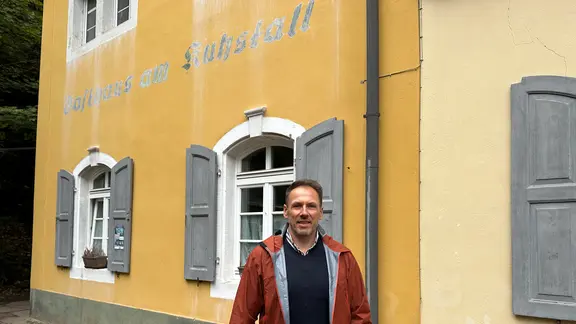
The success of year-round tourism depends entirely on the participation of local hospitality providers. Uwe Henkenjohann, a prominent local innkeeper who operates the Bergwirtschaft at the Kuhstall, is a vocal proponent of the shift.

"In the Allgäu region, winter tourism is a standard, not an exception," Henkenjohann notes. "For us in Saxon Switzerland, it is about creating a reason for the guest to stay and linger." His establishment, along with several others, has pivoted to offer hearty, warm broths, local game stews, and hot beverages—staples that turn a cold hike into a comforting experience.
Henkenjohann highlights a unique advantage of the winter season: "When the leaves fall, the foliage vanishes, and the entire silhouette of the rock formations is exposed. The visibility at the Kuhstall becomes unparalleled. You see deep into the Großer Zschand in a way that is impossible in mid-summer."

International Appeal and the "Malerweg" Legacy
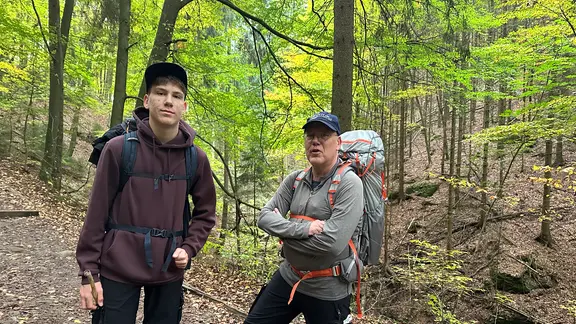
Despite the focus on winter, the allure of the Malerweg remains constant. Ralf Belling, a visitor from Berlin who is currently traversing the full eight-stage route with his grandson, notes that the international composition of hikers is a testament to the trail’s reputation. "We hear English, Spanish, and Czech on the trail every day," he says. The winter initiative is designed to ensure that even for those who cannot commit to the full, grueling eight-stage hike, the essence of the "Painter’s Way" remains accessible.

Implications for the Future
The decision to embrace winter tourism has several significant implications for the region:
- Economic Stabilization: By extending the season, local businesses can maintain year-round staff, reducing the volatility of seasonal hiring.
- Environmental Stewardship: Concentrating winter hikers on specific, well-marked, and maintained paths prevents the erosion of sensitive, off-trail environments that might otherwise suffer from year-round, unguided foot traffic.
- Climate Adaptation: As warmer autumns become more common, the traditional "O to O" window was already becoming obsolete. Formalizing winter tourism is a proactive response to changing climate realities.
- Community Development: The integration of public transport, such as the Kirnitzschtalbahn, with these walking routes demonstrates a cohesive approach to sustainable regional development.
A Call to Caution
While the initiative is an invitation to explore, it is also a reminder of the raw power of the Elbe Sandstone Mountains. The test hike of the route to the Felsenmühle served as a sobering reminder of the physical demands of the terrain. The descent via steep iron staircases, common in this region, can be extremely hazardous when frost or dampness is present. The local authorities emphasize that these routes are "strolls" only in terms of distance; in terms of terrain, they remain alpine-like in their complexity.

Conclusion
The transformation of the Saxon Switzerland tourism model is a bold step toward sustainability and year-round economic viability. By providing the tools, safety information, and gastronomic support necessary for winter exploration, the region is shedding its seasonal constraints.
For the visitor, the reward is a quieter, more introspective connection with one of Europe’s most dramatic landscapes. For the region, it is the beginning of a new chapter—one where the majesty of the sandstone peaks is celebrated not just under the summer sun, but in the sharp, clear light of a winter morning. Whether one chooses the full challenge of the Malerweg or a short, crisp stroll to the Kuhstall, the message from the tourism board is clear: The mountains are open, and they have never looked more inviting.
Summary Checklist for Winter Hikers in Saxon Switzerland
- Check the Official Handbook: All 20 routes are mapped and categorized by difficulty. They are available via the Tourism Association’s website.
- Transport: Check the winter schedule for the Kirnitzschtalbahn and local bus services, as they may operate on a reduced frequency.
- Gastronomy: Verify opening hours of mountain inns, as some may still operate on a weekend-only or reduced-hour schedule.
- Safety First: Always check the weather forecast for the specific high-altitude areas of the Elbsandsteingebirge, as conditions can differ significantly from the valley floors.