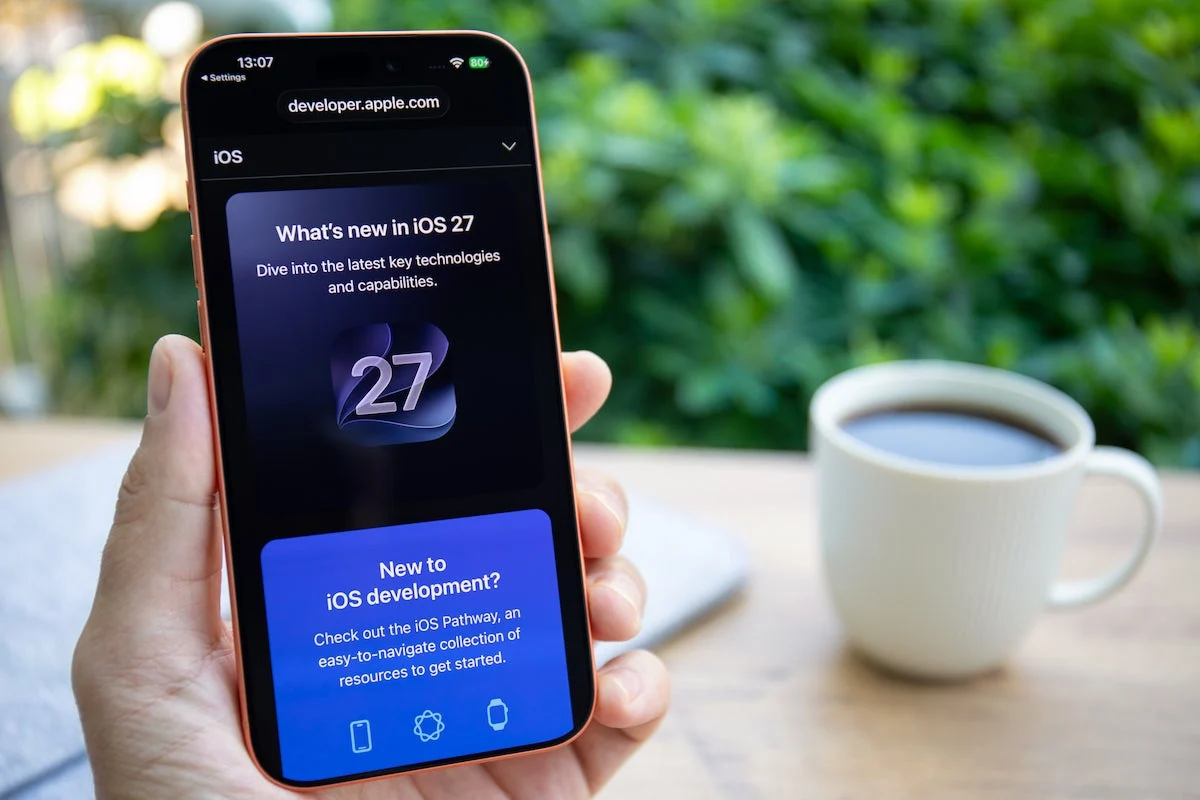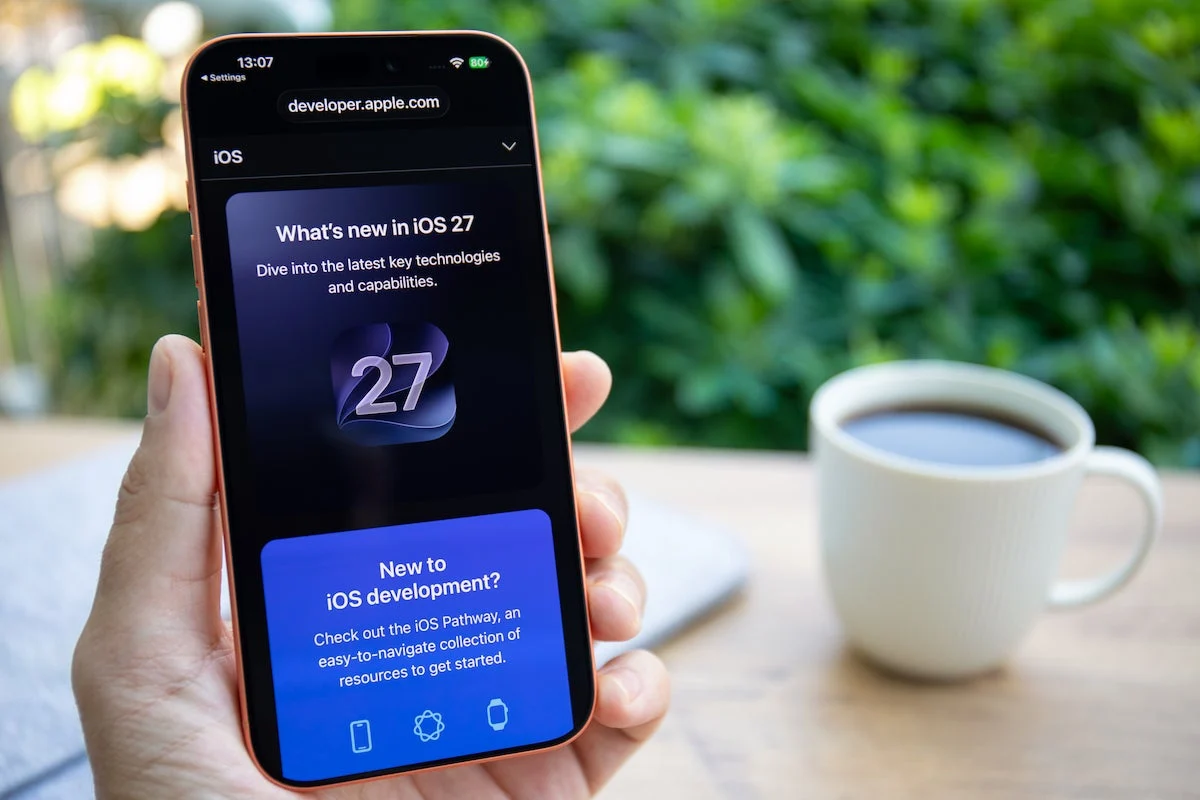
Apple’s ecosystem is set to receive another significant refinement as the company prepares for the rollout of iOS 27.2. Following the mid-September release of iOS 27—which prioritized foundational stability and critical security patching—this upcoming point release shifts the focus toward feature expansion, interface optimization, and the deeper integration of Apple Intelligence into the daily iPhone workflow.
With expectations mounting, users are eager to see how these adjustments will impact their device experience. Below, we examine the technical details, the implications for privacy and usability, and the expected timeline for this pivotal update.
The Strategic Importance of iOS 27.2: Main Facts
iOS 27.2 is not merely a bug-fix release; it represents the first major feature-rich update since the debut of the iOS 27 cycle. While the initial version of iOS 27 served to bridge the gap between legacy software and the new hardware capabilities launched in late 2026, version 27.2 focuses on refinement.
The update targets specific "pain points" in native applications like FaceTime, Health, and Apple TV. By introducing granular control and smarter automation, Apple is signaling a pivot toward "contextual intelligence"—the ability of the OS to understand when and how a user needs information based on the current environment.
Key Features at a Glance:
- Dual Capture for FaceTime: Simultaneous use of front and rear cameras for enhanced remote collaboration.
- Apple Intelligence Integration: Proactive calendar suggestions within the native Messenger app.
- Health App Overhaul: A restructured, three-pillar interface designed for better long-term data analysis.
- Podcasts Refinement: A split "Up Next" and "Continue Playing" queue.
- Enhanced Contact Awareness: Birthday notifications integrated directly into the call screen.
- Smart Home Security: Advanced alert systems for doors and locks.
- TV App Personalization: The long-awaited introduction of multi-user profiles for iOS.
Chronology: The Path to 27.2
The development cycle for iOS 27.2 has followed a disciplined trajectory. After the initial stability period of September 2026, which saw the patching of two critical zero-day vulnerabilities, Apple’s engineering teams shifted their attention to the "feature freeze" phase.
Historically, Apple maintains a cadence of roughly four to six weeks between major point releases during the autumn months. The beta testing phase for iOS 27.2 provided early adopters and developers the opportunity to test the new Health app architecture and the experimental "Dual Capture" FaceTime features. Based on current release candidate patterns, industry analysts project a final public release on October 26, 2026, adhering to the company’s traditional "one week after the final beta" deployment protocol.
Deep Dive: Enhancing User Experience Through Intelligence
One of the most compelling aspects of iOS 27.2 is how it handles information density.
The Messenger and Intelligence Synergy
The integration of Apple Intelligence into the Messenger app is perhaps the most transformative, albeit controversial, addition. By parsing incoming text for event dates, the system now offers a one-tap solution to add items to the Calendar. This removes the manual friction of switching apps, copying data, and re-entering details.
However, this feature comes with an asterisk. As seen in previous iterations of Apple’s AI suite, regional regulations regarding data processing may limit availability in the European Union. Users should expect a potential staggered rollout depending on local compliance with the Digital Markets Act (DMA) and privacy standards.
Health App: From Tracking to "Longevity"
The Health app is shifting from a simple data repository to a proactive wellness dashboard. By bifurcating the experience into Insight, Longevity, and Browse, Apple is catering to two distinct user groups: the "quick-check" user who wants to see their current heart rate and step count (Insight), and the "bio-hacker" or data-driven user who wants to track trends over years (Longevity). This reorganization suggests that Apple is positioning the iPhone as a central node for medical longitudinal studies.

Implications: A Smarter, More Secure Smart Home
The updates to the Home app are indicative of Apple’s aggressive expansion into the domestic security market. By providing direct interaction with Smartlocks via push notifications—allowing a user to lock a door from a notification banner without needing to enter the Home app—Apple is prioritizing speed and security.
This feature is expected to pair seamlessly with the newly announced HomeView Hub hardware, creating a unified ecosystem where alerts are no longer passive notifications but actionable controls. The ability to distinguish between a "door left open" and a "door closed but unlocked" status is a minor detail that drastically improves the security posture of the average household.
Supporting Data: Why Fragmentation Matters
The introduction of multi-user profiles in the Apple TV app for iOS is a long-overdue correction. For years, the lack of profile switching on mobile devices forced household members to share recommendation algorithms, often resulting in a messy "Up Next" queue. By bringing the tvOS profile system to iOS, Apple is acknowledging that the iPhone is a primary consumption device for streaming media.
Technical Breakdown of the New Podcast Interface:
| Feature | Previous Behavior | New Behavior (iOS 27.2) |
|---|---|---|
| Up Next | Combined list of all episodes | Focused solely on new releases |
| Continue Playing | Buried in history | Dedicated section for active/partial listens |
| User Logic | Linear queue | Categorized priority queue |
This structural change reduces the "cognitive load" on the user, making it easier to navigate a library that has grown increasingly cluttered with the rise of serialized content.
Official Responses and Industry Outlook
While Apple rarely comments on unreleased software, the beta developer notes have confirmed that the "Dual Capture" feature for FaceTime is heavily optimized for the latest A-series silicon. This implies that the feature may be hardware-locked to newer iPhone models, a common practice to incentivize upgrades while ensuring the device’s thermal management can handle the concurrent processing of two high-definition video streams.
Privacy advocates have expressed cautious interest in the "Birthday Alert" integration. While convenient, the feature relies on the local processing of contact data. Apple has reiterated that, like all its "Intelligence" features, this contact parsing is performed on-device via the Secure Enclave, ensuring that personal schedules do not leave the user’s handset.
Looking Ahead: The Future of the iOS 27 Lifecycle
As we look toward the end of October, it is clear that iOS 27.2 is the "refinement update" that the current generation of iPhones requires. By tightening the integration between hardware sensors (like the new smart-home protocols) and software intelligence (like the automated calendar suggestions), Apple is creating a more cohesive, albeit more demanding, operating system.
For the average user, the advice remains the same: once the update drops on October 26, ensure your device is backed up via iCloud or a local machine before initiating the install. Given the depth of these changes—particularly in the Health and Home apps—it is recommended to allow the device to index files overnight following the update to ensure battery life and performance are optimized.
Final Thoughts
iOS 27.2 signifies a mature approach to mobile computing. It is less about "flashy" new interface gimmicks and more about removing the small, daily frictions of digital life. Whether it is the convenience of locking your door from a notification or the clarity of a newly organized health dashboard, these updates represent a refinement of the human-computer interface that keeps the iPhone at the center of the modern digital lifestyle.
As we await the official release, one thing remains certain: the integration of intelligence into the mundane tasks of our day is no longer the future—it is the present, and it is arriving with iOS 27.2.