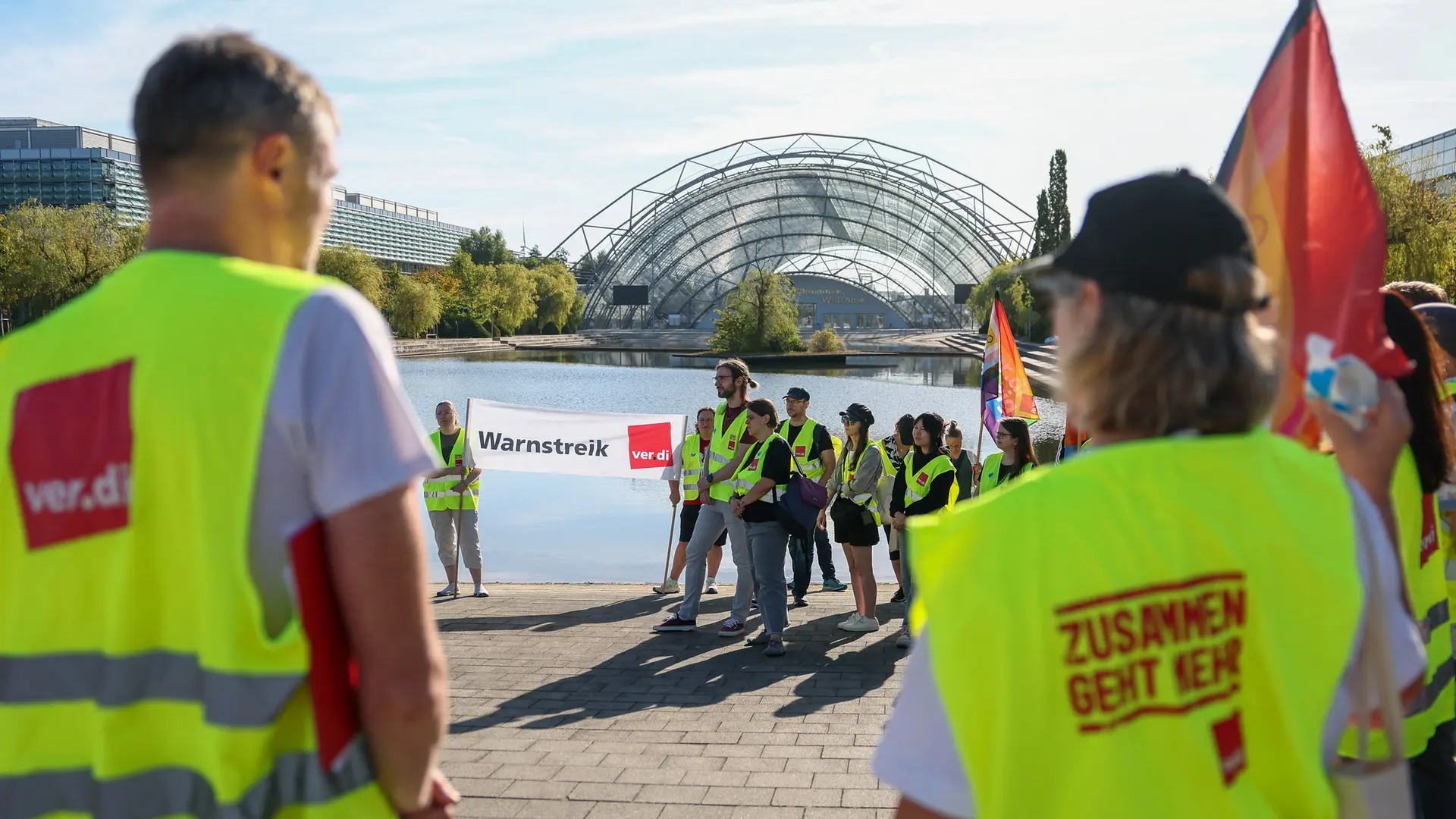
The industrial landscape of Leipzig is currently defined by an increasingly acrimonious labor dispute. At the heart of the conflict is the Leipziger Messe GmbH, a major economic engine for the region, and the service union ver.di, which is currently orchestrating a series of industrial actions that threaten to disrupt the city’s busy trade fair calendar. What began as a standard disagreement over remuneration has spiraled into a complex standoff involving accusations of union-busting, public interventions by government officials, and a fundamental breakdown in communication between the management and the workforce.
As of late October 2026, the situation has reached a boiling point. The union has formally appealed to high-ranking political figures—including Saxony’s Minister of Economic Affairs, Dirk Panter, and Leipzig’s Lord Mayor, Burkhard Jung—to step in as mediators. The move underscores the gravity of the situation, as both sides appear incapable of finding common ground through traditional negotiation channels.
The Core Conflict: Demands vs. Reality
The current friction stems from a wide gap between what the employees deem a necessary correction to their earnings and what the management classifies as an unsustainable financial burden. Verdi is advocating for a significant compensation package that includes:
- A monthly wage increase of 350 euros for all employees, to be backdated to July 1st of the current year.
- A twelve-month contract duration, providing stability in an inflationary economic climate.
- Structural improvements, specifically new salary groupings to better reflect the complexity of modern exhibition work.
- Health and Wellness measures, including the introduction of three paid "health days" per annum.
- Reduction of the standard work week from the current level to a 38-hour week, reflecting modern work-life balance standards.
The management, represented by Managing Director Markus Geisenberger, has consistently rejected these demands, characterizing them as "excessive" and detrimental to the long-term competitiveness of the Leipziger Messe. The Messe, like many similar organizations in the post-pandemic era, is still navigating a complex financial landscape, balancing the need for growth against rising operational costs.

Chronology of the Dispute
The escalation of this conflict did not happen overnight. It is the result of months of stalled discussions and a perceived hardening of positions that has left the rank-and-file workforce feeling alienated.
Phase 1: Initial Stagnation
Early negotiations in the summer of 2026 were marked by polite disagreement. However, as the union presented its comprehensive list of demands, management signaled that the financial scope for such increases was virtually non-existent.
Phase 2: The October Strikes
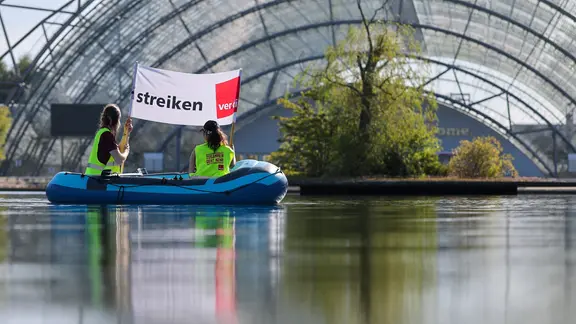
By the beginning of October, the tone shifted. On October 1st and 2nd, the first major warning strikes took place. These were not merely symbolic; they involved coordinated walkouts that demonstrated the collective bargaining power of the staff. The images of employees in small boats on the lake in front of the Glashalle, carrying "We are on strike" banners, became the defining visual of the labor dispute.
Phase 3: The Disciplinary Backlash
Following these strikes, the atmosphere soured rapidly. The union alleges that the management took punitive action against specific employees. Most notably, a member of the tariff commission was issued a formal warning (Abmahnung), a move that the union views as an overt attempt to intimidate staff representatives and weaken the union’s position at the bargaining table.
Phase 4: The Open Letter
On October 22, 2026, the situation moved from the factory floor to the political arena. Verdi members released an open letter to the city and state leadership. The letter explicitly calls for the withdrawal of the disciplinary measures against staff members and demands that the management return to a "factual and respectful" tone in future negotiations.
The Question of Conduct: Accusations of "Abusive Tone"
One of the most concerning aspects of the report is the union’s characterization of the management’s behavior during the fourth round of negotiations. According to union sources, management representatives displayed an "inappropriate, loud, and disparaging" demeanor.
For many observers, this goes beyond the standard theatrics of collective bargaining. It suggests a collapse in the corporate culture at Leipziger Messe. When the discourse shifts from numbers and contract clauses to the perceived character and behavior of the negotiators, it indicates that the psychological contract between employer and employee has been severed. The disciplinary warning issued to the union representative is seen by the workforce not as a legitimate HR action, but as a "chilling effect" designed to stifle the democratic rights of the employees to participate in industrial action.
Official Responses and the Limits of Political Influence
The reaction from those outside the immediate dispute highlights the complex political reality of the Leipziger Messe. As a publicly backed entity, the Messe is under the scrutiny of both the City of Leipzig and the State of Saxony.

The Stance of the State
A spokesperson for the Saxon Ministry of Economic Affairs confirmed that the open letter had been received but explicitly declined to intervene. The ministry cited the principle of "Tarifautonomie" (collective bargaining autonomy). In Germany, the government is constitutionally barred from dictating terms to private or semi-public enterprises in wage disputes. By maintaining this distance, the state government is attempting to avoid setting a precedent where political authorities become the final arbiter of every labor dispute in the region.
The Silence of the Messe
The management of the Leipziger Messe has, thus far, remained tight-lipped. When contacted by media outlets for comment on the allegations of a "disparaging tone" and the specific circumstances surrounding the disciplinary warnings, the press office requested written inquiries. At the time of reporting, those inquiries remain unanswered. This silence is being interpreted by the union as a sign of arrogance and a refusal to acknowledge the validity of the employees’ grievances.
Broader Economic and Social Implications
The dispute at the Leipziger Messe is a microcosm of a wider trend across the German economy. As service-sector employees grapple with the lingering effects of the post-pandemic economic environment, they are increasingly willing to engage in robust industrial action.
The Impact on Leipzig’s Reputation
Leipzig has worked hard to establish itself as a premier destination for international trade fairs. The success of these events relies heavily on the seamless coordination of logistics, security, service, and event management. Continued labor unrest threatens to tarnish the city’s brand. If international exhibitors and visitors begin to view the Leipziger Messe as an unstable venue prone to sudden shutdowns, the economic impact could be far more severe than the cost of granting the union’s wage demands.

The Precedent for Public Service Employees
Furthermore, the outcome of this struggle will likely serve as a blueprint for other service-based entities in the region. If the employees succeed in securing the requested 38-hour week and the additional benefits, it could trigger a domino effect across the municipal sector in Leipzig. Conversely, if the management successfully resists these demands and effectively "disciplines" the union leadership, it may embolden other employers to take a harder line in future contract negotiations.
The Path Ahead: The October 27th Deadline
The upcoming negotiations scheduled for October 27th are now being viewed as the "make or break" session for the current contract cycle. Both sides are under immense pressure.

- For Verdi, the pressure is to maintain unity and momentum. They must prove that the disciplinary actions taken by management have not broken the spirit of the workforce.
- For the Messe Management, the pressure is to demonstrate that they can regain control of the narrative without further alienating their staff. A continuation of the current "confrontational" path risks a full-scale, prolonged strike that could paralyze the venue for weeks.
Conclusion: A Call for De-escalation
As the city watches on, the message from the workforce is clear: they do not feel heard. The request for political mediation, while unlikely to result in direct government intervention, serves as a powerful public statement that the current management style is seen as untenable.
The Leipziger Messe is more than just a collection of halls and exhibition spaces; it is a vital part of the city’s economic heartbeat. For that heart to beat effectively, the relationship between the leadership and the staff must be repaired. Whether this happens through a compromise on wages, a change in management rhetoric, or a combination of both, one thing is certain: the era of "business as usual" is over. Both sides must now navigate a narrow path toward reconciliation, or risk a protracted conflict that will leave both the organization and the city poorer for the experience.

The eyes of the business community, the labor unions, and the political establishment are now firmly fixed on October 27th. In the high-stakes world of industrial relations, this is a moment that will define the culture and the future of the Leipziger Messe for years to come.