As the world looks toward the future of the Olympic movement, the selection process for the 2036 Summer Games has emerged as one of the most complex geopolitical puzzles in the history of the International Olympic Committee (IOC). With Munich leading the German bid, the city finds itself navigating a crowded field of six international rivals. Each contender brings a unique blend of national ambition, logistical hurdles, and political volatility, forcing the IOC to weigh the allure of new markets against the necessity of stable, sustainable event delivery.
The State of Play: A Multipolar Bidding War
The competition for the 2036 Games is not merely a contest of athletic infrastructure; it is a referendum on the future direction of the Olympic brand. Since the implementation of the "Olympic Agenda 2020+5," the IOC has shifted its focus away from extravagant, taxpayer-draining mega-projects toward bids that emphasize sustainability, the use of existing facilities, and long-term urban development.
Munich, with its rich sporting heritage and existing infrastructure from the 1972 Games, positions itself as the "safe, sustainable choice." However, it faces stiff competition from nations that see the Olympics as a vehicle for national branding, economic growth, and global soft power.
Chronology and Context: The Path to 2036
The bidding process has evolved significantly over the last decade. Following the "New Norm" introduced by the IOC, the traditional, highly combative bidding campaigns have been replaced by a more collaborative, dialogue-driven approach.
- Pre-2025: Initial interest surfaced from various continents, with nations looking to capitalize on the post-pandemic recovery.
- 2025: Political shifts in key bidding nations, particularly Turkey and Hungary, began to alter the landscape of the race.
- 2026: The field has solidified into six primary contenders: India (Ahmedabad), Qatar (Doha), South Korea (Jeonbuk/Seoul), Turkey (Istanbul), Hungary (Budapest), and South Africa (National/Multi-city).
Deep Dive: The Six Contenders
1. India (Ahmedabad): The Sleeping Giant
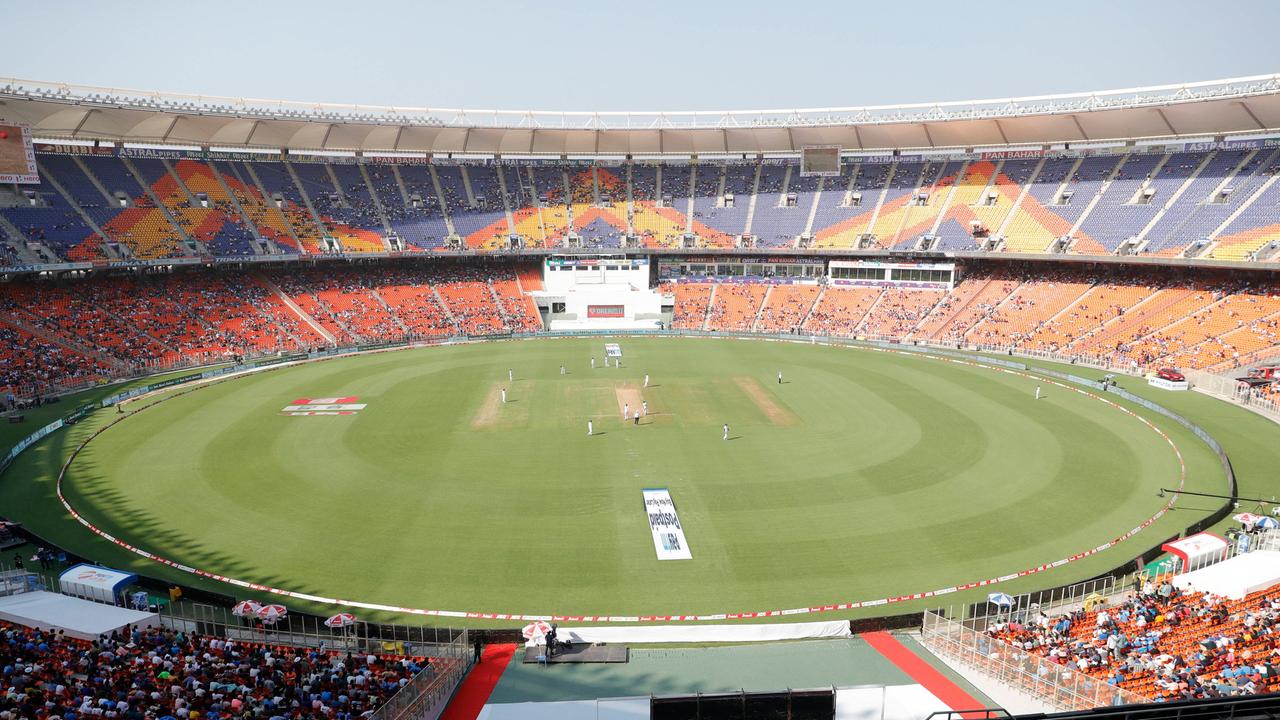
India is arguably the most intriguing candidate. With a population of 1.5 billion and an economy racing toward superpower status, the IOC views India as a massive, untapped market. The bid is centered in Ahmedabad, home to the Narendra Modi Stadium—the world’s largest cricket venue, capable of hosting 132,000 spectators.
- The Upside: Unprecedented growth potential and the full backing of the Indian government and private sector giants like the Ambani family.
- The Challenges: India lacks experience in hosting multi-sport events of this magnitude. Furthermore, deep-seated internal conflicts within the Indian Olympic Association (IOA) pose a significant risk to the credibility of the bid. Infrastructure requirements would be immense, challenging the IOC’s preference for existing venues.
2. Qatar (Doha): The Financial Safe Haven
Qatar has firmly established itself as a global hub for mega-events, bolstered by the successful, if controversial, 2022 FIFA World Cup.
- The Upside: Financial stability is guaranteed. Doha possesses world-class, purpose-built stadiums, such as the Lusail Stadium. The Emir of Qatar, Sheikh Tamim Bin Hamad Al Thani, is a long-standing IOC member, providing the nation with significant influence within the Olympic movement.
- The Challenges: The primary hurdle is the climate. An Olympic Games in Qatar would almost certainly require a winter schedule, disrupting the global sports calendar. Additionally, the volatile security situation in the Persian Gulf region remains a point of concern for international observers.
3. South Korea (Jeonbuk-do & Seoul): The Collaborative Gamble
South Korea initially proposed the Jeonbuk province to host the games, but growing doubts regarding regional capacity have forced a pivot toward a collaborative model involving Seoul.
- The Upside: South Korea has a proven track record, having hosted the 1988 Summer Games and the 2018 Winter Games.
- The Challenges: The logistical distance between Seoul and Jeonbuk (approx. 200km) makes the "compact games" ideal nearly impossible to achieve. Furthermore, reports of internal disagreement within the Korean Olympic Committee suggest that the national government may not be fully committed to the logistical and financial burden required for 2036.
4. Turkey (Istanbul): The Bridge Between Worlds
Istanbul’s bid is defined by its unique geography, with venues planned in both Europe and Asia.
- The Upside: A rich cultural history and a location that physically embodies the international spirit of the Olympics. Istanbul is utilizing the 2027 European Games as a "dress rehearsal" to prove its operational capacity.
- The Challenges: Political instability has severely hampered the bid. The 2025 imprisonment of Mayor Ekrem Imamoglu—a key advocate for the Olympic bid—cast a long shadow over the project. Furthermore, Turkey’s persistent struggle with high inflation creates significant uncertainty regarding the long-term financial viability of the Games.
5. Hungary (Budapest): The Democratic Hurdle
Budapest’s bid has been a rollercoaster. After a successful "Momentum" movement forced the withdrawal of a previous bid in 2017, the city is once again testing the waters.
- The Upside: A compact, beautiful city with strong central European sporting roots.
- The Challenges: The requirement for a public referendum remains a massive hurdle. Current polling suggests significant skepticism regarding costs. Furthermore, the political transition following the decline of Viktor Orbán’s influence has left the project without its primary political architect, with his successor, Péter Magyar, prioritizing other national issues over Olympic glory.
6. South Africa (Cape Town/Durban/Johannesburg): The Historic Frontier
Africa is the only inhabited continent never to have hosted the Olympic Games. A bid from South Africa would be historic, fulfilling a long-term goal of the Olympic movement.
- The Upside: The moral weight of the bid is immense. Utilizing the infrastructure from the 2010 FIFA World Cup provides a solid starting point for venues.
- The Challenges: The geographical spread across three major cities directly contradicts the IOC’s modern preference for compact, efficient games. Furthermore, the suspension of the South African Sports Confederation (SASCOC) president, Barry Hendricks, following internal misconduct allegations, has paralyzed the leadership necessary to drive a successful bid.
Supporting Data and Technical Considerations
The IOC’s evaluation process for 2036 focuses on "Sustainability and Legacy."
| City | Primary Venue Type | Main Challenge |
|---|---|---|
| Ahmedabad | New/Expansion | Lack of event experience |
| Doha | Existing | Climatic conditions |
| Seoul/Jeonbuk | Hybrid | Logistical distance |
| Istanbul | Existing/Temp | Economic/Political volatility |
| Budapest | Existing/Temp | Public/Political support |
| South Africa | Existing/Distributed | Structural governance |
Official Responses and IOC Stance
The IOC, led by President Kirsty Coventry, has remained tight-lipped regarding its preferences. The organization has emphasized that the selection process is no longer a "race," but a "dialogue." The primary goal is to avoid the "White Elephant" syndrome—where billions are spent on stadiums that sit empty after the closing ceremony.
In official statements, the IOC has repeatedly stressed that the 2036 host must demonstrate "social and environmental responsibility." For Munich, this means emphasizing its existing infrastructure and the high level of public transport and connectivity. For the other candidates, the pressure is on to prove that their respective political and economic climates can withstand the scrutiny of a seven-year planning cycle.
Implications for the Future
The 2036 decision will define the legacy of the Olympic movement for the next two decades. Choosing India would signal a pivot toward the Global South, acknowledging the shift in economic power. Choosing a European city like Munich or Budapest would signify a return to the "traditional" heartlands, emphasizing stability and infrastructure.
For the host city, the prize is immense—a chance to rewrite its global narrative. For the loser, the financial and political fallout can be devastating. As the dialogue continues, the IOC remains the ultimate arbiter, balancing the dream of universality against the cold, hard realities of modern global governance.
The road to 2036 is long, filled with political landmines, and requires a level of diplomatic finesse that will test every candidate involved. Whether it is the sheer ambition of India, the financial might of Qatar, or the steady, sustainable approach of Germany, the world is watching closely to see which city will finally light the Olympic flame in 2036.