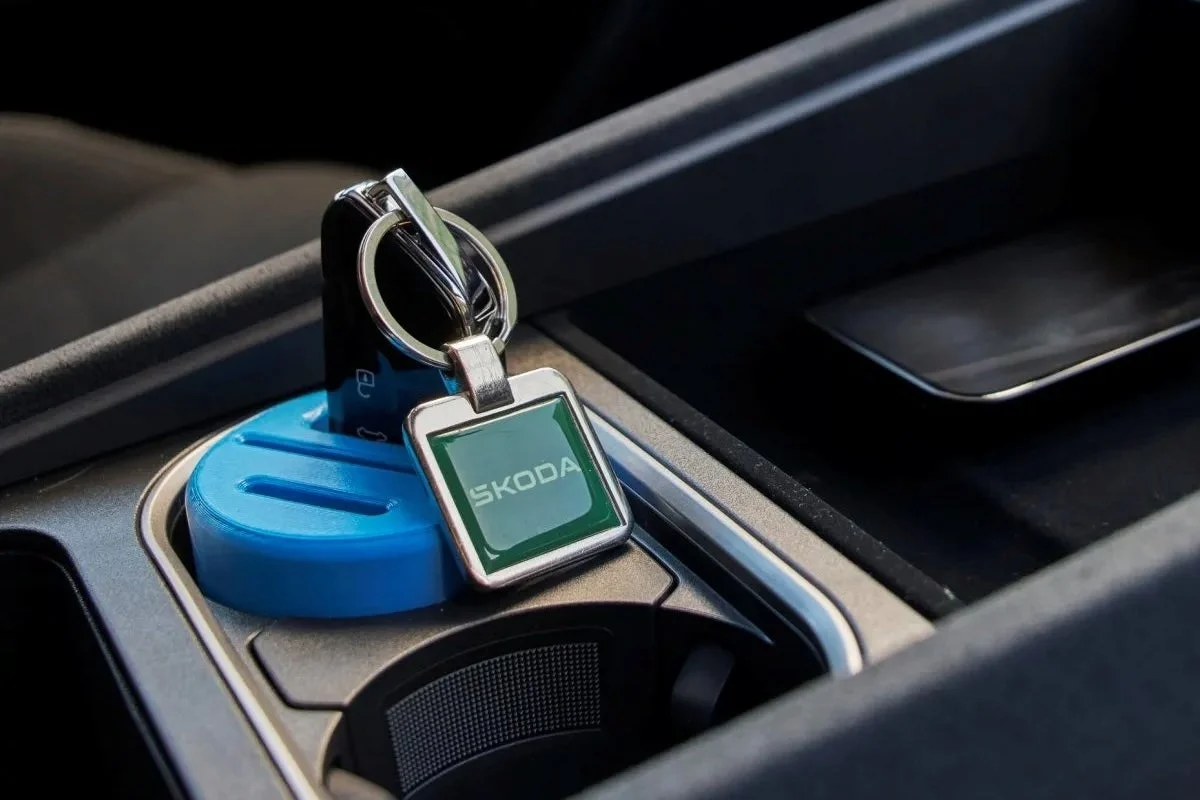
In a move that bridges the gap between automotive engineering and the maker community, Czech automaker Skoda has launched an ambitious initiative to provide vehicle owners with official 3D-printable accessories. By moving away from traditional, proprietary retail channels, Skoda is empowering its customer base to customize their vehicle interiors, improve organization, and extend the utility of their cars using their own hardware at home.
This digital-first strategy, hosted on the popular platform Printables, allows owners of various Skoda models—from the compact Fabia to the upcoming Epiq—to download high-quality, manufacturer-tested files. For the modern driver, this signals a paradigm shift: the car is no longer a static product purchased from a showroom, but a modular platform that can evolve through additive manufacturing.
The Core Offering: Practicality Meets Precision Engineering
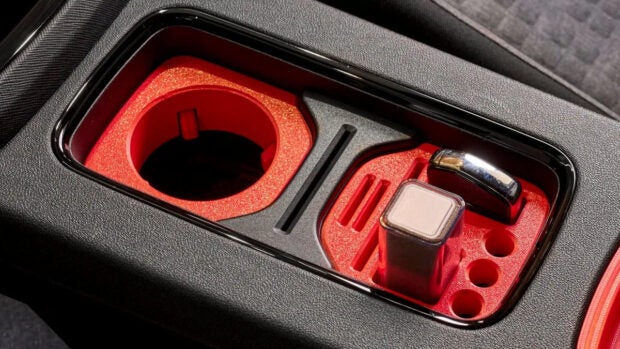
Skoda’s foray into the "Print-Your-Own" ecosystem is grounded in practicality. The current collection of files focuses on solving the perennial struggle of vehicle clutter. Among the highlights are modular organizers designed specifically for the center consoles of the Skoda Epiq and Peaq.
These organizers, which would traditionally be sold as expensive plastic add-ons at a dealership parts counter, are now available as open-source CAD files. Beyond model-specific organizers, Skoda has released universal accessories that demonstrate a deep understanding of daily driver habits:
- USB Cable Management: A clever bracket system that clips into the seat-back pockets of the front seats, ensuring that charging cables remain organized rather than tangled on the floor or lost between cushions.
- Smartphone Anchors: Ergonomic inserts designed to stabilize mobile devices within the center console area, preventing slippage during transit.
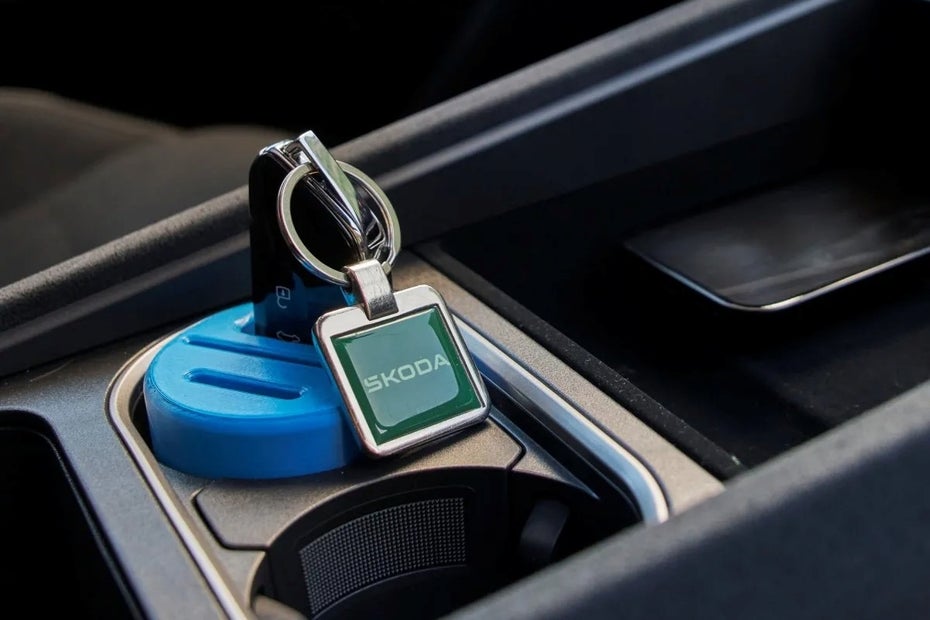
- The "Coin Box": A versatile, cup-holder-compatible insert designed to house loose change, shopping cart tokens, or keys.
By providing these files, Skoda is not only saving the customer money but also reducing the environmental impact of shipping small plastic parts across the globe. The owner provides the raw material (typically PETG or PLA filament), and the company provides the design intelligence.
A Chronology of Skoda’s Digital Evolution
Skoda’s interest in additive manufacturing is not a sudden pivot; it is the result of a long-term commitment to digitizing the customer experience.
- 2023: The Foundation: Skoda began experimenting with public-facing digital assets by releasing a collection of 3D-printable models of its most iconic vehicles. This included both current production lines and heritage models like the legendary 1975 Skoda 130 RS and the rally-proven Fabia RS Rally2.
- Mid-2024: Internal Integration: Throughout the year, Skoda’s engineering teams began utilizing 3D printing more aggressively in the prototyping phase of vehicle development. By shortening the feedback loop for interior ergonomics, the company gained the confidence to move from internal R&D to public release.
- October 2026: The Public Launch: The current repository on Printables was formalized, marking the first time a major automotive manufacturer has officially endorsed and supported the DIY modification of its interior components.
This timeline reflects a broader trend in the automotive industry: the move from "closed" hardware ecosystems to "open" ones that encourage user participation.
Supporting Data: Why Additive Manufacturing Makes Sense
The decision to lean into 3D printing is supported by shifting consumer demographics and manufacturing efficiency data. According to industry reports, the global market for 3D-printed automotive parts is expected to reach billions in value by 2030, but this growth is usually attributed to high-end prototyping and aerospace-grade metal parts. Skoda’s approach is unique because it targets the consumer rather than the factory floor.

Data from the Printables platform suggests that user engagement with manufacturer-backed files is significantly higher than with community-uploaded "hacks." Because Skoda provides the exact tolerances required for their interior plastic dimensions, the success rate for printing these parts is substantially higher, leading to greater customer satisfaction.
Furthermore, the environmental argument is compelling. By eliminating the plastic injection molding process for small, non-critical parts—and removing the logistics chain associated with packaging and shipping these items—Skoda is effectively decentralizing their supply chain. While the carbon footprint of a home 3D printer is not zero, it is significantly lower than the total energy cost of producing and delivering a mass-manufactured accessory from a warehouse to a consumer.
Official Stance and Community Guidelines
Skoda has been clear about the terms of service regarding these files. While the company encourages creativity, it maintains strict intellectual property boundaries to ensure brand integrity and safety.
The official guidelines state:
- Personal Use Only: The files are provided strictly for non-commercial use. Users are prohibited from selling the resulting prints or using the Skoda name to market their own products.
- No Redistribution: The files must remain on the official Skoda profile. Users cannot re-upload the files to other repositories, even if they have been modified.
- Permission for Modification: While sharing modified files is restricted, Skoda explicitly encourages owners to "remix" or modify the designs for their own specific vehicle setups, acknowledging that every driver’s needs are unique.
This framework protects Skoda’s brand while fostering a creative community where the company acts as a facilitator rather than a gatekeeper.
Implications for the Future of Automotive Design
What does this mean for the future of the car interior? We are witnessing the birth of "software-defined hardware." Just as a smartphone can be improved with a new app, a modern car—at least in the cabin—is becoming a space that can be iterated upon.
The Death of the "Standardized" Interior
As additive manufacturing becomes more accessible, we may soon see manufacturers shipping cars with "blank" mounting points or standardized rail systems, specifically designed for users to attach their own 3D-printed accessories. This allows for a hyper-personalized driving experience that a mass-market car could never provide out of the box.
Supply Chain Resilience
In an era of global supply chain instability, the ability for a consumer to "print" a broken clip or a missing divider is a powerful hedge against parts shortages. If a small plastic tab breaks, the owner doesn’t need to wait for a shipping container from overseas; they simply load a file and hit print.
The Role of the Manufacturer
Skoda is setting a precedent for how legacy manufacturers can remain relevant in a digital-native age. By embracing the maker movement, they are transforming from a car manufacturer into a platform provider. This creates a stronger brand connection, as the owner is literally "investing" their time and materials into their vehicle.
Conclusion
Skoda’s release of 3D-printable accessories is more than just a clever marketing gimmick; it is a profound nod to the future of automotive ownership. By acknowledging that their customers are capable of participating in the design process, Skoda has effectively extended the lifespan and utility of their vehicles.
As the technology behind home 3D printing continues to improve, and as more companies follow in Skoda’s footsteps, the relationship between the driver and the machine will become increasingly collaborative. The car is no longer a finished product; it is a canvas, and with the right filament and a little bit of creativity, it is only limited by what the owner can design. For the Skoda owner, the garage is no longer just for parking—it is now a micro-factory.