Date: October 21, 2026 | 10:52 AM
Executive Summary
The German benchmark index, the DAX, opened the trading session on Wednesday with negligible movement, hovering around the 25,303-point mark. While the index showed resilience yesterday by recovering from a sharp midday dip to 25,050 points—fueled by cautious optimism regarding potential diplomatic breakthroughs in the Iran crisis—the current market sentiment remains characterized by "wait-and-see" hesitation. Investors are currently balancing the bullish momentum generated by explosive AI sector growth against the sobering realities of European political instability, volatile energy prices, and a critical upcoming wave of corporate earnings reports.
1. Main Facts: A Market at the Crossroads
The DAX is currently navigating a complex macro-economic landscape. The initial market volatility earlier in the week, driven by Houthi militia attacks on regional energy infrastructure in Saudi Arabia, sent oil prices surging. This surge acted as an immediate drag on German industrial sentiment, which is highly sensitive to energy input costs.
However, market participants are finding solace in the technology sector. The stellar quarterly performance of SpaceX, which reported a staggering multi-billion dollar profit, has acted as a catalyst for renewed confidence in AI and high-tech infrastructure. This sentiment has successfully rippled through Asian markets, with Japan’s Nikkei index climbing 0.9%, and provided a modest tailwind for German tech-heavyweights like Infineon and Siemens Energy at the Xetra opening.
2. Chronology of Market Events
- Early Week Volatility: A sharp decline triggered by geopolitical tensions in the Middle East saw the DAX drop to 25,050 points.
- Tuesday Rebound: Hopes for a diplomatic compromise—mediated by Qatar and Pakistan—stabilized energy markets, allowing the DAX to recover nearly all losses by the close of the session.
- Wednesday Morning: The index opened flat as market participants weighed the positive SpaceX news against the deteriorating domestic situation in France.
- Mid-Session Focus: Investors are now bracing for the after-market earnings releases from major tech giants, including SAP, Tesla, Meta, and IBM, which are expected to dictate market direction for the remainder of the week.
3. Supporting Data and Sector Performance
The divergence between sectors is currently the defining feature of the German market.
The Tech & AI Narrative
SpaceX’s reported quarterly profit of $4.4 billion on revenues of $14.58 billion has fundamentally altered the narrative for tech investors. The company’s growth, fueled by space-based internet services and AI-driven data center demand, serves as a litmus test for the broader "AI fantasy." Analysts suggest that if the upcoming earnings from Meta and IBM confirm this trend of monetization, the DAX could find the necessary momentum to break through its current plateau.
Adidas: A Bright Spot
Adidas has bucked the trend of stagnation, announcing an upward revision of its 2026 profit guidance following a record-breaking third quarter. The company now expects an operating profit of €2.5 billion, up from the previously projected €2.3 billion. This success is attributed to robust global sales and unexpected tax refunds from the United States, positioning the stock as a defensive winner in a volatile environment.
FMC and the U.S. Regulatory Headwind
Conversely, Fresenius Medical Care (FMC) faced a difficult morning, with shares sliding as much as 4.2%. The catalyst was a new U.S. Department of Health policy aiming to overhaul kidney patient care. By prioritizing early diagnosis and home-based dialysis—and fostering competition in the process—the U.S. government has introduced significant uncertainty for FMC, which relies heavily on the U.S. market for its revenue streams.
The Qiagen Acquisition Saga
Qiagen shares continue to climb, fueled by reports from Bloomberg regarding advanced acquisition talks with the private equity giant EQT. Following a late-session rally yesterday, the stock is currently trading at €43, marking its highest level since mid-February.

4. Official Responses and Expert Commentary
Timo Emden, a market strategist at Captrader, highlights the structural dependency of the current market: "The DAX continues to hang on the drip-feed of oil prices and bond yields. Investors are forced to navigate a narrow corridor between fears of rising interest rates, skepticism regarding the longevity of the AI boom, and mounting political and fiscal question marks across the Eurozone."
Frank Sohlleder of ActivTrades emphasizes the importance of the current earnings season: "These results serve as a stress test for the global AI narrative. We are looking for confirmation that the giants—SAP, Tesla, and Meta—can provide the fundamental growth necessary to justify current valuations. If they fail to deliver, the ‘AI fantasy’ could quickly turn into a liability for European indices."
Regarding the potential merger between Tesla and SpaceX, Elon Musk confirmed during a conference call that independent committees have been formed to evaluate the feasibility of a consolidation. While long rumored, this is the first time the company has formally acknowledged the internal review process, adding another layer of intrigue for institutional investors.
5. Implications: A Continent in Transition
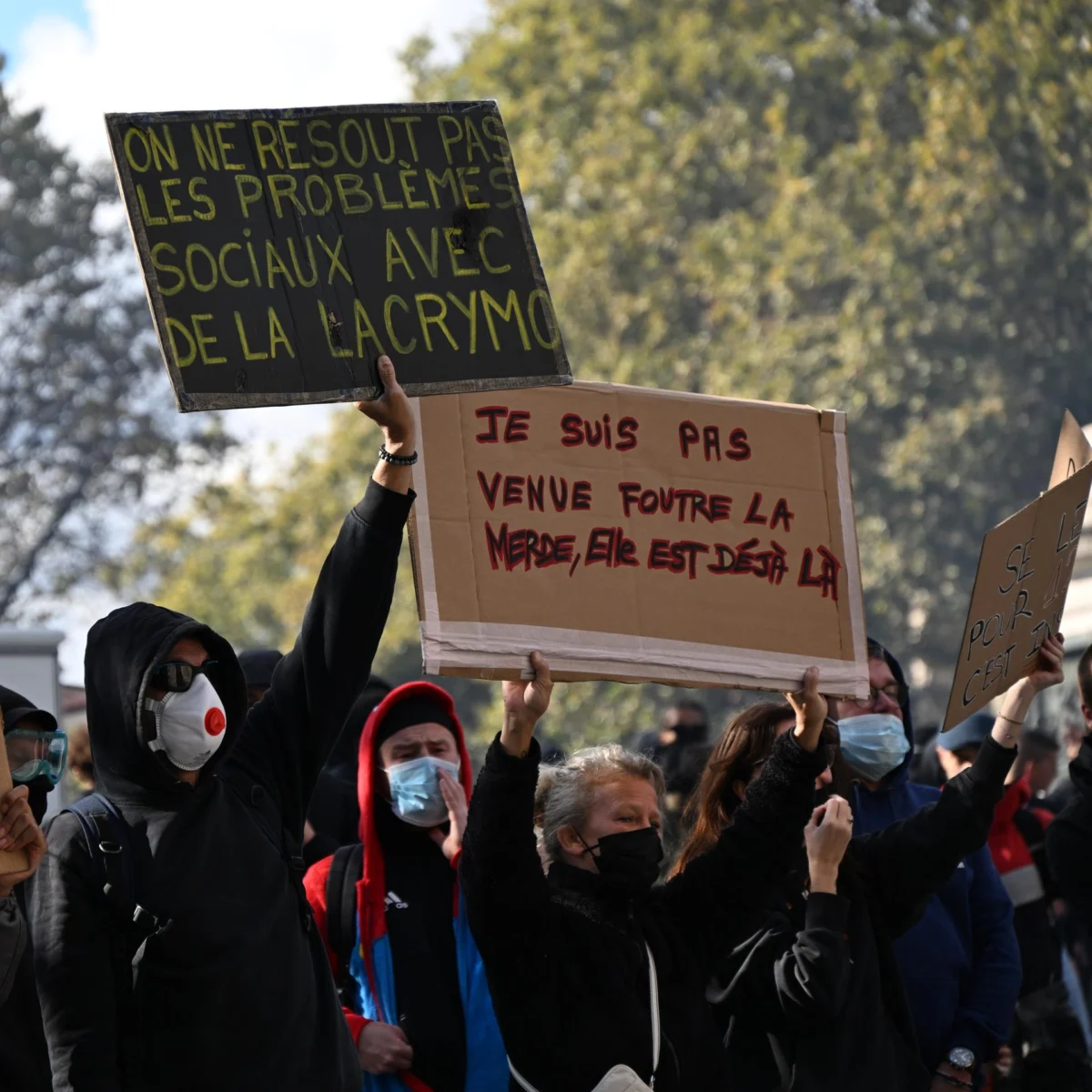
The broader European economic environment is showing signs of fraying. The situation in France is particularly concerning for investors. The supermarket giant Carrefour has officially downgraded its annual outlook, citing the civil unrest in France as a primary driver for reduced consumer confidence and increased operational costs. This serves as a warning sign for other retail-facing companies: the "cost-of-living" crisis in Europe is being exacerbated by social instability, which directly impacts the bottom line.
The Real Estate Shuffle
The property market also saw significant movement, with Grand City Properties increasing its stake in LEG Immobilien to 20.04%. This strategic move, backed by the parent group Aroundtown, signals a broader attempt by major players to consolidate holdings in the German residential and hotel sectors, betting on a long-term recovery despite current high interest rates.
The Banking and Financial Sector
The Deutsche Börse has successfully leveraged the high-interest-rate environment, reporting double-digit growth. The company has raised its treasury income forecast for 2026 by an additional €100 million, citing the sustained interest rate climate and increased cash reserves. This growth underscores the "paradox of the current market": while industrial and retail firms struggle with high rates and instability, the financial infrastructure providers are thriving on the very mechanisms causing that friction.
Conclusion: Outlook for the Coming Days
As we look toward the next 48 hours, the market remains in a state of delicate equilibrium. The "AI-led recovery" narrative is strong, but it is being tested by tangible geopolitical risks—specifically the volatility in oil and the instability in France.
Investors are advised to watch the following indicators closely:
- Tech Earnings: Any miss in guidance from SAP or IBM could trigger a broader sell-off in the tech sector.
- Oil Price Stability: A sustained price of oil above the current levels could force a reassessment of inflation expectations, putting further pressure on the DAX.
- French Domestic Policy: Continued reports of disruption in France will likely lead to further downgrades for companies with heavy exposure to the French consumer market.
The DAX is currently a index of two halves: the innovative, high-growth technology sector attempting to pull the index higher, and the traditional industrial/retail sector being held back by the weight of European macro-instability. Whether the index finishes the week in positive territory depends entirely on whether the "Tech Giants" can deliver the profits expected to justify the current high-stakes environment.