By [Journalistic Bureau], September 22, 2026
For decades, the standard medical model has been implicitly designed around the "average" human—an adult male. While this biological "norm" has served as the baseline for pharmacological research, diagnostic criteria, and clinical training for nearly a century, it has left half the population at a significant disadvantage. Recent data and harrowing personal testimonies are now fueling a urgent movement to address a systemic oversight: women’s bodies are not merely smaller versions of men’s, and the consequences of ignoring these differences are often fatal.
The Human Cost: A Pattern of Misdiagnosis
Simone von Polheim’s story is not an isolated incident; it is a symptom of a systemic failure. Sitting in her home in Remscheid, surrounded by photographs of a trip to Italy that nearly claimed her life, she recounts the moment her reality shifted.
"I thought I wouldn’t survive," she recalls. "My circulation was collapsing, and I had back pain like I had never experienced before."
What should have been a clear medical emergency was, in the eyes of the hospital staff, treated with dismissive indifference. Because her symptoms—nausea, extreme fatigue, and severe back pain—did not fit the archetypal, Hollywood-portrayed image of a man clutching his chest, the clinical response was sluggish. "I was in agony," she says. "They didn’t even measure my blood pressure. They just put me in the hallway."
The medical team initially suspected the physical toll of a canyoning tour, attributing her symptoms to muscle fatigue. Even when she explicitly requested an EKG, her concerns were brushed aside. It was only after she returned to Germany that the true diagnosis emerged: she had suffered a heart attack. She required immediate intervention, including the placement of multiple stents. The psychological toll of knowing she was sent home to die remains with her today. "The worst part is the realization afterward—that I could have died," she says. "That thought has haunted me for a long time."
Chronology of a Medical Blind Spot
The marginalization of female-specific pathology is rooted in the history of medical research.
- The Mid-20th Century: Medical trials began to standardize the use of male subjects to avoid the "complications" of hormonal fluctuations in women. This effectively excluded women from the early development phases of most life-saving drugs and diagnostic protocols.
- The Late 1990s: The first major studies highlighting sex-specific differences in heart disease were published, yet these findings were slow to permeate general practice and medical school curricula.
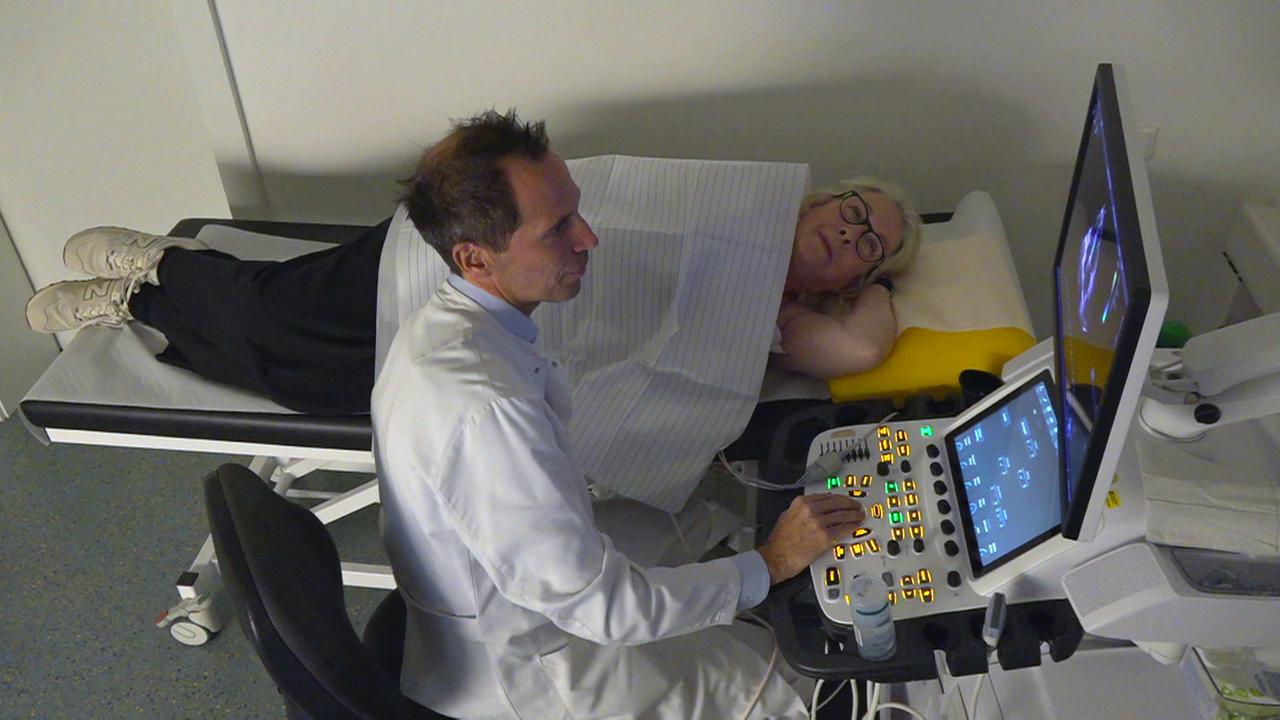
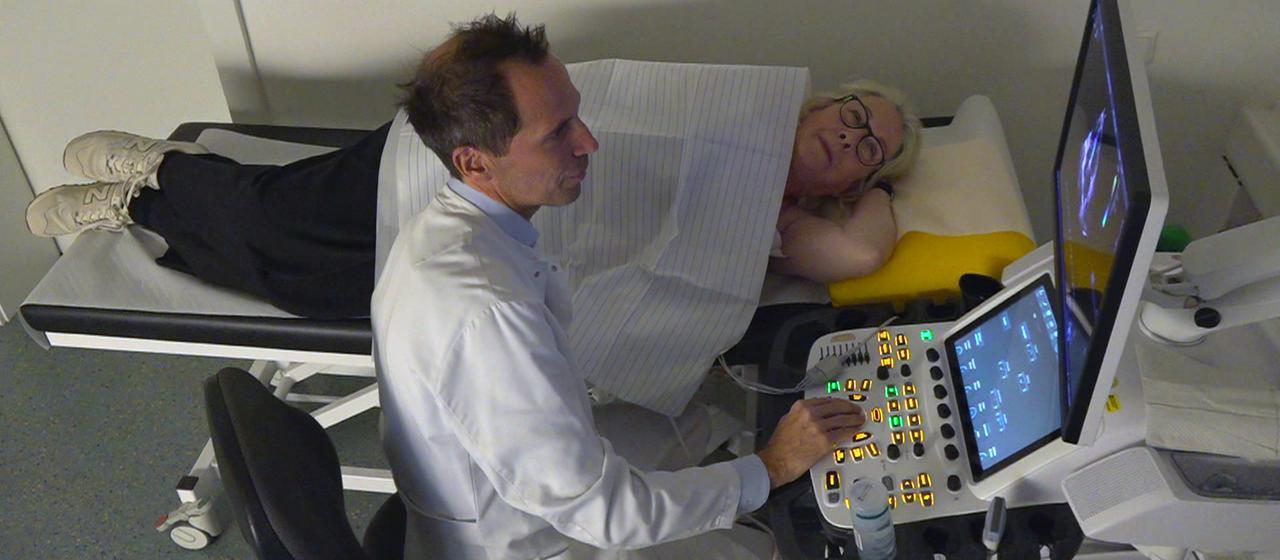
- 2018: The Rhein-Maas-Klinikum in Würselen, Germany, made a pioneering move by establishing the nation’s first specialized center for female cardiology, often facing significant skepticism from the established medical community.
- 2026: The launch of the Allianz für Frauengesundheit (Alliance for Women’s Health) in Berlin marks a tipping point, moving the conversation from niche academic inquiry to a national political priority.
Supporting Data: Why "Gender-Neutral" Care is Inaccurate
The biological reality is that every organ system in the human body responds differently based on sex. Dr. Michael Becker, Chief Physician at the Women’s Heart Center in Würselen, has spent years fighting for this recognition.
"We have a long way to go," Dr. Becker notes. "We founded this center against significant resistance, though that resistance is slowly fading."
Data shows that while men often experience the "classic" symptoms of a heart attack—crushing chest pain radiating to the left arm—women frequently present with atypical markers. These include:
- Gastrointestinal Distress: Persistent nausea or upper abdominal pain.
- Neurological/Musculoskeletal Pain: Pain in the jaw, back, or between the shoulder blades.
- Systemic Fatigue: Unexplained, overwhelming exhaustion that can persist for days before an event.
Because these symptoms are often misattributed to stress, anxiety, or minor digestive issues, women are statistically more likely to suffer delayed treatment or incorrect diagnoses. For patients like Christine Hesse, a 52-year-old who was told for years that she was simply "too sensitive" or "stressed," the delay nearly became permanent. By the time she was properly diagnosed by Dr. Becker’s team, her condition had reached a life-threatening stage. "I know now that it was life-threatening," she reflects. "My advice to others is to insist on proper examination and never let yourself be talked out of your own experience."
Official Responses and the New Alliance
The formation of the Allianz für Frauengesundheit in Berlin represents a coordinated effort to force a paradigm shift. This cross-sectoral alliance brings together medical societies, research institutions, and policy advocates to draft a national strategy for women’s health.
Cornelia Wanke, a co-initiator of the alliance, emphasizes the scale of the task: "There is already a wealth of knowledge and strong initiatives in Germany, but they have been fragmented. With the Alliance, we are pooling our strength. Women’s health is not a niche topic; it is a central question of a future-oriented and fair healthcare system."
The Alliance has outlined several critical pillars for reform:
- Legislative Integration: Ensuring that women’s health is a permanent, non-negotiable item on the political agenda.
- Gender-Sensitive Research: Mandating that clinical trials must report results disaggregated by sex, ensuring that dosage and efficacy are understood for both men and women.
- Curriculum Reform: Integrating gender-specific medicine into the standard medical school curriculum so that the next generation of doctors enters the workforce with the tools to recognize diverse symptom profiles.
- Closing the Supply Gap: Identifying and rectifying the systemic lack of care pathways for chronic conditions that disproportionately affect women.
Broader Implications: A System in Need of Evolution
The implications of this movement extend far beyond cardiology. From autoimmune diseases—which affect women at significantly higher rates—to pain management and pharmacology, the "one-size-fits-all" approach has proven to be a scientific error.
Dr. Becker remains optimistic but pragmatic. "Every organ is different in men and women," he explains. "We must see women as women, perceive them as such, and initiate diagnostic and therapeutic measures accordingly. We need a fundamental rethink in society and in the halls of power."
However, Germany remains in the early stages of this transition. While new research networks and specialized clinics are emerging, the vast majority of primary care providers still lack the training to navigate these nuances effectively.
For survivors like Simone von Polheim, the progress comes too late for her own comfort, but her motivation for speaking out is clear: "I have a friend who died because she was treated for gallstones when she was actually having a heart attack. I want this to change because these differences can cost lives."
As the Alliance begins its work, the challenge will be to ensure that these policy goals translate into tangible outcomes in clinics and emergency rooms. The goal is no longer just "equality" in the sense of receiving the same treatment as men, but "equity"—the provision of care that is scientifically tailored to the biological reality of the patient. The era of dismissing women’s health concerns as emotional or secondary is drawing to a close; the era of precision, gender-sensitive medicine must begin.