As temperatures climb, the frozen foundations of Europe’s iconic mountain ranges are beginning to give way. From the towering spires of the Mont Blanc massif to the sheer rock faces of the Zugspitze, the "eternal" mountains are proving to be increasingly dynamic—and dangerous. With the thawing of permafrost, the risk of rockfalls and landslides has reached a critical threshold, forcing scientists, local authorities, and mountaineers to rethink their relationship with the high alpine environment.
The New Reality of the High Mountains: Main Facts
The image of the Alps as immutable, granite fortresses is rapidly becoming a relic of the past. Recent data and observation confirm that the alpine landscape is currently undergoing its most significant transformation since the last glacial retreat.
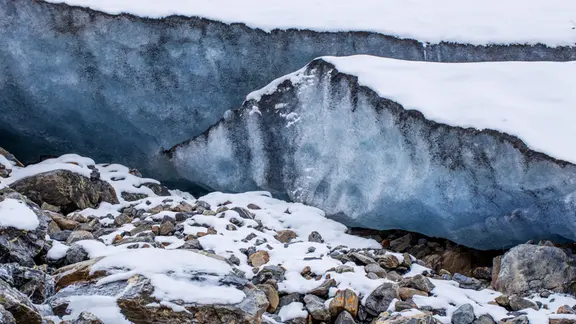
The primary driver of this instability is the accelerating thaw of permafrost—ground that has remained frozen for at least two years. In high-altitude terrain, this frozen ice acts as a natural "glue," binding loose scree, boulders, and fractured rock faces together. As the Earth warms, this ice melts, compromising the structural integrity of mountain flanks.
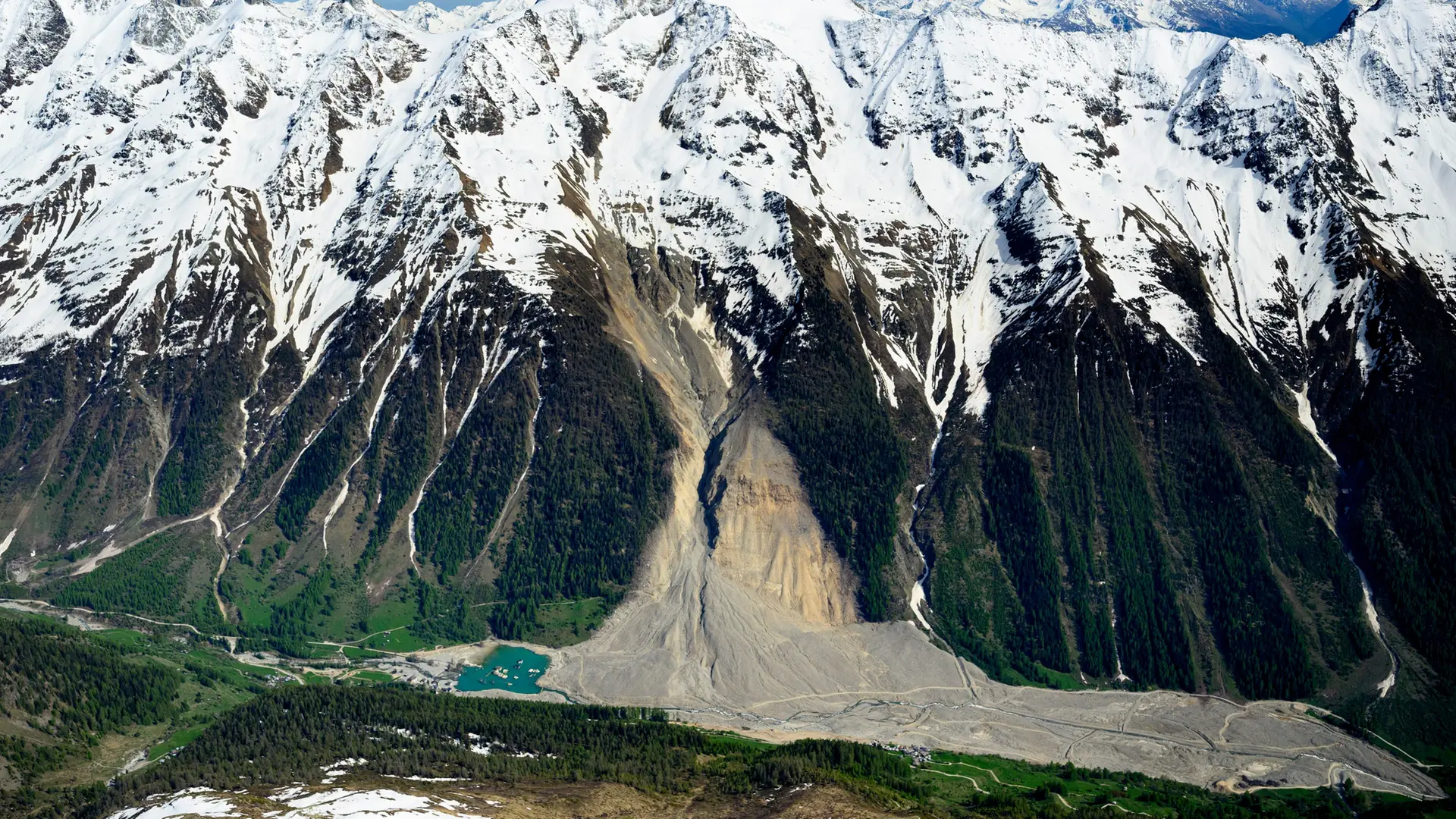
This year’s intense summer heat has acted as a catalyst, pushing these unstable systems to their breaking point. In the Mont Blanc massif alone, experts have recorded approximately 450 major rockfall events this season. This is not merely a localized issue; it is a systemic shift affecting the entire alpine arc, from the Swiss Alps to the German Zugspitze and beyond to the Himalayas.
A Summer of Falling Rock: A Chronology of Instability
The summer of 2026 has been characterized by a series of alarming, high-profile geological events that have sent shockwaves through the mountaineering community and local planning offices.
- Mid-Summer: Social media channels were flooded with harrowing footage from the Mont Blanc massif. One viral video captured a mountaineer’s perspective from a helmet camera, documenting a sudden rockfall in the "Grand Couloir"—a high-altitude traverse at 3,340 meters often dubbed the "Couloir of Death." The footage showed an avalanche of stones and boulders crashing toward the climber, accompanied by desperate shouting.
- August: Following a series of near-misses and the increasing frequency of rockfall, local authorities in the Mont Blanc region took the unprecedented step of officially closing the route to ensure public safety.
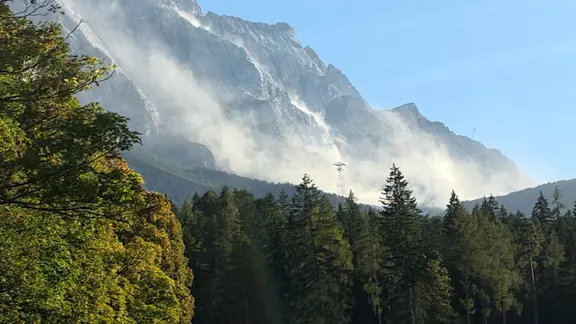
- Late Summer: The instability reached Germany’s highest peak, the Zugspitze. A massive rockfall occurred at the border ridge, displacing several cubic meters of rock and serving as a stark reminder that even well-trafficked tourist mountains are not immune to these shifts.
- Ongoing: Simultaneously, mountain guides across the Matterhorn have been forced to cancel tours as conditions became too perilous for even the most experienced climbers. These events mirror global trends, including recent, devastating geological catastrophes in the Himalayas, highlighting that mountain ranges worldwide are in a state of flux.
Supporting Data: Why the Mountains are "Brittle"
The science behind this phenomenon is clear, though the projections for the future remain complex. Christian Huggel, a researcher at the University of Zurich, notes that alpine temperatures have risen by three degrees Celsius above pre-industrial levels. This is more than double the global average, creating a disproportionate impact on high-altitude ecosystems.
"The glaciers are melting, the permafrost is thawing, and the great mountain flanks are simply turning black," explains Huggel. The loss of snow cover, which previously acted as a reflective shield (the albedo effect), means that rock faces are now absorbing heat directly, driving it deep into the fissures where the ice once held the structure together.
Glaciologist Andrea Fischer of the Austrian Academy of Sciences elaborates on the structural nature of these mountains. "They are not solid, singular blocks of stone," she says. "They are composed of fractured parts held together by ice. When that ‘glue’ thaws, the mountain begins to crumble until it finds a new equilibrium."
According to research covering the entire alpine arc, the frequency of large-scale rockfalls has shifted dramatically. In the 20th century, a major rockfall event typically occurred every three to five years. In the 21st century, that frequency has increased to two or three events per year. The largest events, which historically occurred once a decade, are now being observed as often as every two years.
Official Responses and Risk Management
As the landscape shifts, the approach to safety must evolve from reactive measures to proactive, data-driven management. Oliver Sass, a geomorphologist at the University of Bayreuth, is blunt about the limitations of current technology: "In the big picture, there is very little one can do. Technical protection measures like nets can stop individual stones, but they are useless against the millions of cubic meters of rock involved in a major landslide."
The Four Pillars of Modern Alpine Safety:
- Observation: Utilizing laser scanning and satellite imagery to detect minute deformations in rock faces before they result in a collapse.
- Warning: In known danger zones, sensor arrays—including radar, GPS, and high-speed cameras—are increasingly being deployed to provide real-time alerts.
- Protection: Strengthening infrastructure where possible, such as dams or rock-sheds for mountain roads and cable cars, though these have clear physical and financial limits.
- Adaptation: The most difficult, yet necessary, step is the long-term planning regarding human settlement. As Christian Huggel points out, if protective measures become too costly or ineffective, societies must face the difficult reality of relocating infrastructure or even entire settlements.
Implications for the Future: Life in the Shadow of the Alps
The implications of these changes are profound for those who live, work, and recreate in the mountains. For the mountaineering community, the "Golden Age" of alpine climbing is facing a reality check. Increased caution, the strict observance of trail closures, and the willingness to accept that certain routes may no longer be viable are becoming the new standard.
However, experts urge against alarmism. The Alps are not "falling down." They are eroding—a process that has occurred since their birth. What we are witnessing is an acceleration of this natural process due to human-induced climate change.
"In the alpine region, we have had centuries of experience living with natural hazards like avalanches," says Andrea Fischer. "We need to transfer that knowledge to summer hazards like rockfalls. We are aware that we live in the shadow of the mountains, and we must learn to adjust our behavior accordingly."
Looking forward, researchers anticipate that once the permafrost has fully thawed and the mountains have shed their loose, unstable material, the landscape may eventually settle into a new, albeit different, state of stability. When that will happen remains an open question, and until then, the focus must remain on adaptation.
The changing face of the Alps serves as a global bellwether. If the high-altitude, cold-climate regions of Europe are this sensitive to a three-degree shift, it underscores the urgency of addressing the broader climate crisis. The mountains are speaking, and their message is one of necessary, rapid adaptation. For now, the safest path forward is one of humility: observing the signs, respecting the barriers, and acknowledging that in the high mountains, nature remains the final authority.