In a coordinated effort to combat surging energy costs and mitigate the risk of supply chain disruptions, the G7 nations have announced the release of 100 million barrels of crude oil and diesel from their strategic national reserves. The move, which will unfold over the next four months, aims to provide a vital buffer for global energy markets currently reeling from geopolitical instability and the blockade of critical maritime trade routes.
However, the initiative has been met with skepticism from economic experts and political critics alike. While officials argue that the move will provide immediate relief to consumers, many analysts view the intervention as a temporary "bandage" on a much deeper, structural wound in the global energy infrastructure.
The Scope of the Intervention
The G7—comprising the United States, Germany, the United Kingdom, France, Italy, Japan, and Canada—has pledged to release approximately 15.9 billion liters of fuel. This decision, finalized in consultation with European Commission President Ursula von der Leyen and the International Energy Agency (IEA), is designed to signal market stability at a time of extreme volatility.
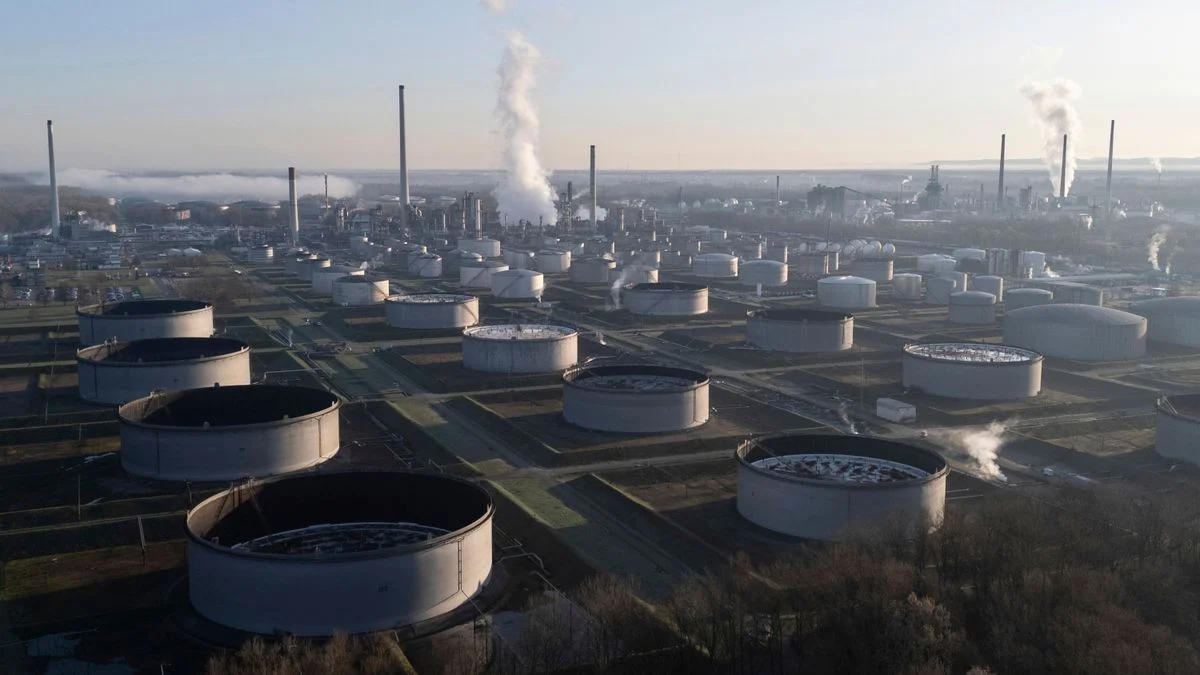
According to the official G7 statement, the release is a targeted response to the supply constraints exacerbated by the ongoing tensions in the Strait of Hormuz. This critical waterway, which serves as a global artery for energy transport, has seen renewed aggression against commercial tankers. As incidents of maritime harassment continue, major oil refineries are effectively being severed from the global supply chain, causing a tightening of supply that the G7 hopes to counteract through these strategic reserves.
Chronology of the Crisis and Policy Response
The current energy dilemma did not emerge in a vacuum. The roots of the crisis trace back to the escalation of conflict in the Middle East and the subsequent impact on international shipping lanes.
- March 2022/2023 Context: The current commitment builds upon previous efforts by the IEA, which had earlier proposed a massive release of up to 400 million barrels of oil to stabilize post-pandemic and conflict-related market shocks. To date, approximately 325 million barrels have already been tapped. The new 100-million-barrel pledge is technically a continuation of these historical commitments, though it highlights the dwindling nature of global emergency stockpiles.
- The Trump Administration’s Pressure: The move comes amid intense pressure from the United States. President Donald Trump has been vocal in demanding that European allies unlock their reserves, even threatening to impose an export ban on U.S. diesel to keep domestic fuel prices low ahead of the pivotal U.S. mid-term elections.
- Recent Maritime Escalations: In the days leading up to the G7 announcement, the British maritime authority (UKMTO) reported multiple instances of tankers coming under fire in the Strait of Hormuz. These incidents served as the catalyst for the emergency G7 meeting, as the threat to the global energy supply became a matter of national security for the bloc.
Economic Analysis: A Temporary Panacea?
Samina Sultan, an economist at the German Economic Institute (IW), warns that the public should not expect a permanent reprieve from high pump prices. Drawing a direct parallel to the controversial fuel tax cuts of the past, Sultan argues that the measure is merely a short-term intervention.
"It can cushion the blow for a while, but the fundamental problem remains untouched," Sultan stated. She emphasizes that the market’s reaction will depend heavily on the composition of the release—specifically, how much of it is refined diesel as opposed to raw crude oil. Because the current crisis involves the isolation of refineries rather than just a lack of crude, a crude-heavy release may do little to alleviate the scarcity of finished diesel products in Europe.
"If the instability in the Strait of Hormuz continues, and we reach a point where no tankers can pass through safely, then these reserves will prove to be nothing more than a drop in the ocean," she added.

Official Responses and Internal Discord
The decision has sparked a firestorm of political debate, particularly regarding the underlying motives of the G7 leadership.
The German Government’s Stance
Federal Minister of Economic Affairs, Katherina Reiche (CDU), has sought to project calm, asserting that the nation’s energy security is not in jeopardy. "The energy supply is not threatened," Reiche stated on Friday. She confirmed that the 100 million barrels will be released in a coordinated manner over four months, with a significant portion of diesel front-loaded into the first 20 days. "We have enough reserves in the system to guarantee supply," she assured the public, noting that monitoring processes remain in place.
The Opposition View
Critics, particularly among the Green Party, have slammed the initiative as both ineffective and politically motivated. Michael Kellner, a prominent Green energy politician, characterized the decision as "political stupidity."
"The electoral campaign of Donald Trump is not a state of emergency," Kellner said in an interview. "The EU is making itself look small and weak by bowing to this pressure." Critics argue that by prioritizing short-term price drops to influence electoral outcomes in the U.S., the G7 is depleting strategic assets that may be needed for true, long-term emergencies.
Implications for the Global Energy Market
The reliance on strategic reserves is a double-edged sword. While it provides a psychological floor for oil prices, it also signals to the market that the world’s major economies are running out of options to combat supply-side shocks.
- Supply Chain Fragility: The bottleneck in the Strait of Hormuz remains the primary risk factor. Without a diplomatic or security solution to the harassment of tankers, the global economy remains tethered to the volatility of this specific geographic region.
- The Diesel Conundrum: Unlike crude oil, which can be stored for long periods, diesel is a refined product with specific logistics. The threat of a U.S. export ban on diesel poses a significant danger to European economies, which are heavily reliant on imported refined fuels.
- Market Sentiment: The G7’s move is essentially an attempt to manage market sentiment. By promising a continuous flow of supply, they hope to discourage speculative trading that drives prices higher. However, as the IEA data indicates that nearly 80% of the originally promised 400 million barrels have already been utilized, the "safety net" is becoming increasingly thin.
Conclusion: The Path Ahead
As the world enters the next four months, the efficacy of the G7’s strategy will be put to the test. If the situation in the Strait of Hormuz de-escalates, the release may succeed in providing the "breathing room" required for energy markets to rebalance. However, should the geopolitical conflict intensify, the current strategy may be remembered as a missed opportunity to address structural vulnerabilities in favor of short-term political posturing.
For the average citizen, the hope for lower fuel costs remains pinned to a volatile mix of international maritime security, political bargaining between Washington and Brussels, and the cold, hard mathematics of global inventory levels. As it stands, the G7 has bought themselves time, but they have yet to buy a solution.