

Market Report: September 15, 2026
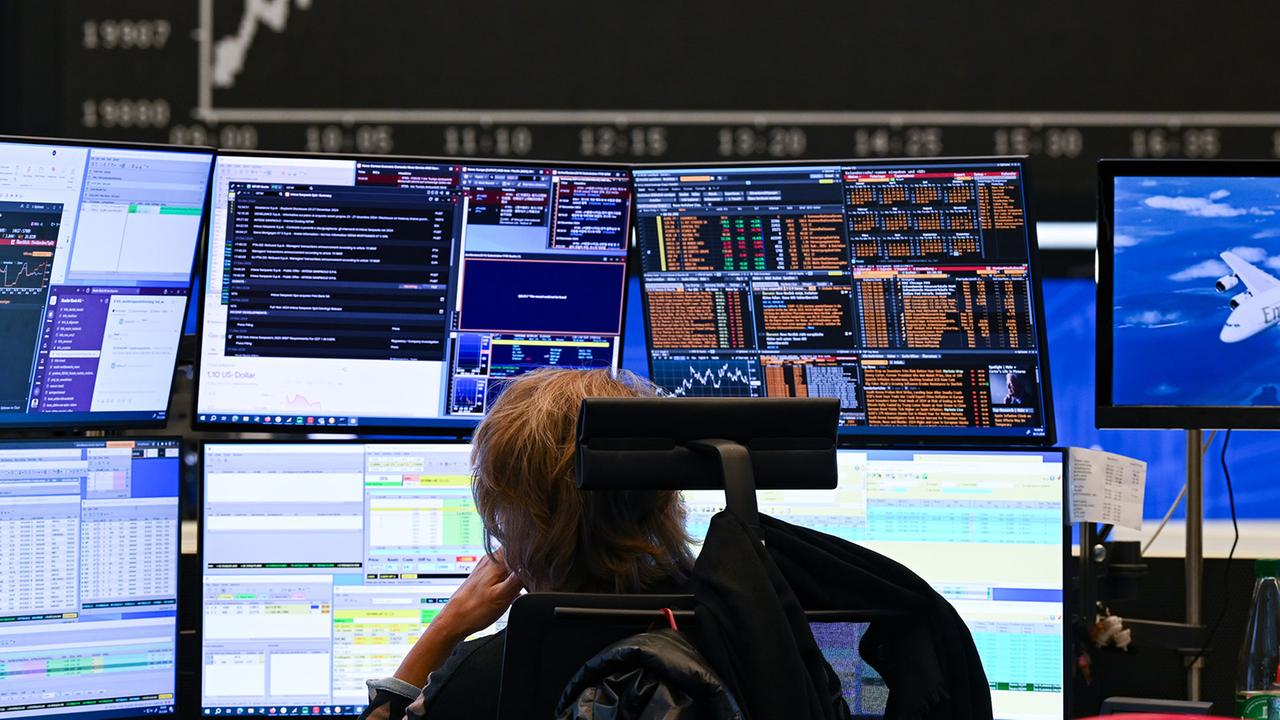
The global financial landscape is currently navigating a period of profound uncertainty, characterized by a lethal cocktail of persistent inflation, hawkish central bank policies, and escalating geopolitical instability. On Tuesday, the German DAX index faced further downward pressure, closing 0.15 percent lower at 25,402 points, as investors struggled to find positive catalysts in a market defined by risk aversion and volatility.
While the DAX demonstrated relative resilience throughout the session—at one point clawing its way back into positive territory—the broader sentiment remains fragile. The primary engine behind this malaise is the relentless surge in energy prices, which is fueling inflationary expectations and triggering a massive sell-off in global bond markets. As yields climb to levels not seen in nearly two decades, the equity markets are finding it increasingly difficult to sustain momentum.
The Core Drivers of Market Instability
The Energy Price Squeeze
The primary protagonist in the current market drama is the rising cost of energy. Brent crude oil prices continued their upward trajectory, hovering near the $110-per-barrel mark as of Tuesday evening. This price spike is not merely a supply-side constraint but a geopolitical powder keg.
"Beyond the already highly volatile situation in the Strait of Hormuz, the focus has now shifted to the control of the Bab al-Mandab Strait by Houthi rebels," noted Frank Sohlleder, an analyst at ActivTrades. This strategic chokepoint is vital for global trade, and the heightened military activity there has introduced a significant risk premium into the price of oil. For energy-dependent economies like Germany, these price hikes act as a tax on both consumers and industry, stifling growth and complicating the inflation outlook for the European Central Bank (ECB).
The Bond Market’s "Warning Signal"
The most significant alarm bell for investors is currently ringing in the fixed-income sector. The sell-off in sovereign bonds has been aggressive, with the yield on ten-year US Treasuries climbing to 5.041 percent—the highest level since 2007. Similarly, the German ten-year Bund yield hit 3.572 percent, a peak not seen since 2009.
Jochen Stanzl, an analyst at Consorsbank, emphasized the severity of this shift: "The equity markets cannot ignore the wave of selling that is rolling over the bond markets worldwide." When risk-free assets like government bonds offer yields exceeding 5 percent, they become a formidable competitor to stocks. Investors are increasingly rotating out of growth-oriented equities and into debt, further depressing equity valuations.
Chronology of a Volatile Trading Session
The trading day began on a defensive note, with investors braced for further hawkish commentary from central banks.
- Early Morning: Futures pointed toward a lower opening as oil prices maintained their overnight gains. Sentiment was dampened by reports from the Ifo Institute, which highlighted that business confidence in the German retail sector remained stagnant throughout August.
- Mid-Morning: A brief glimmer of hope emerged. The DAX briefly turned positive following remarks from Federal Chancellor Friedrich Merz, who signaled that the government is preparing relief measures to counteract the surge in fuel costs for the German public.
- Afternoon: The momentum stalled as the bond market sell-off intensified. US indices opened in the red, with the Dow Jones shedding nearly one percent and the Nasdaq 100 retreating by 0.7 percent.
- Closing Bell: Despite the volatility, the DAX managed to pare back some losses, finishing at 25,402 points. However, the internal composition of the market remained weak, with financial stocks leading the decline.
Economic Data and the Inflationary Outlook
The macroeconomic backdrop is increasingly grim. According to the Federal Statistical Office, German wholesale prices rose in August at their fastest pace since February 2023. This is a critical indicator; wholesale inflation typically serves as a leading indicator for consumer price inflation. If businesses are unable to absorb these costs, they will inevitably pass them on to consumers, further eroding purchasing power.
This is occurring in an environment where consumer confidence is already at a low ebb. The Ifo Institute’s report on the retail sector confirms that German consumers, squeezed by the rising cost of living, are tightening their belts. With less disposable income available, the engine of domestic consumption is losing steam, threatening a prolonged economic stagnation.
Official Responses and Monetary Policy Shifts
All eyes are now turned toward the upcoming Federal Reserve meeting. The market has effectively "priced in" a high-probability interest rate hike, with derivatives markets suggesting a 90 percent likelihood of a move.
Analysts anticipate that the Fed will raise the target interest rate range by a quarter-percentage point, bringing it to between 3.75 and 4.00 percent. The central question for the market is no longer if they will raise rates, but whether the Fed will signal a pause or a continued tightening cycle for the remainder of the year. With US inflation sitting at 3.4 percent, the central bank is under immense pressure to remain hawkish, despite the clear signs that the economy is cooling.
Sectoral Divergence: Banks vs. Defense
The market performance on Tuesday was marked by a sharp divergence between sectors.
The Financial Sector’s Setback
The Deutsche Bank took a significant hit, ranking among the largest losers in the DAX. The catalyst for the sell-off was a ripple effect from Wall Street. After the CEO of Bank of America hinted that trading revenues for the third quarter might remain flat compared to the previous year, investors reacted with alarm. Market participants viewed this as a potential sign that the banking industry’s post-pandemic growth spurt is reaching a definitive end, causing a sell-off in European financial stocks in sympathy.
Defense Stocks: The Outliers
In contrast to the broader market, the defense sector saw notable gains. Shares of Rheinmetall rose by more than three percent, leading the DAX. This rally was fueled by reports of ammunition shortages in the United States and the prospect of Japan drastically increasing its defense spending to 3.5 percent of GDP under pressure from Washington. Other defense-related firms, such as Hensoldt and TKMS, also saw their stock prices climb, reflecting a market that is increasingly pricing in a long-term shift toward a "rearmament" cycle in global politics.
Implications for the Future
As the global economy moves into the final quarter of the year, several structural challenges loom large. The transition from a low-interest-rate environment to one of high yields is proving to be a painful adjustment for equity markets.
- Valuation Compression: As long as bond yields remain elevated, stock price-to-earnings (P/E) multiples will likely face downward pressure.
- Corporate Profit Margins: With wholesale prices rising and consumer demand softening, corporate profit margins are under attack from both sides. Companies that lack pricing power will struggle to maintain their earnings growth.
- Geopolitical Risk: The situation in the Middle East remains the "wild card." Any escalation in the Strait of Hormuz or the Bab al-Mandab could lead to a further spike in energy prices, which would force central banks to choose between fighting inflation and preventing a recession.
In conclusion, the current state of the DAX and global markets reflects a period of profound transition. Investors are no longer in a "buy the dip" mindset; rather, they are navigating a reality where geopolitical instability and inflationary persistence are the primary variables. Until there is a clear sign that inflation has peaked and that central banks can begin to signal a pivot, the markets are likely to remain in a state of high-alert, characterized by sensitivity to every minor macroeconomic release and geopolitical headline.