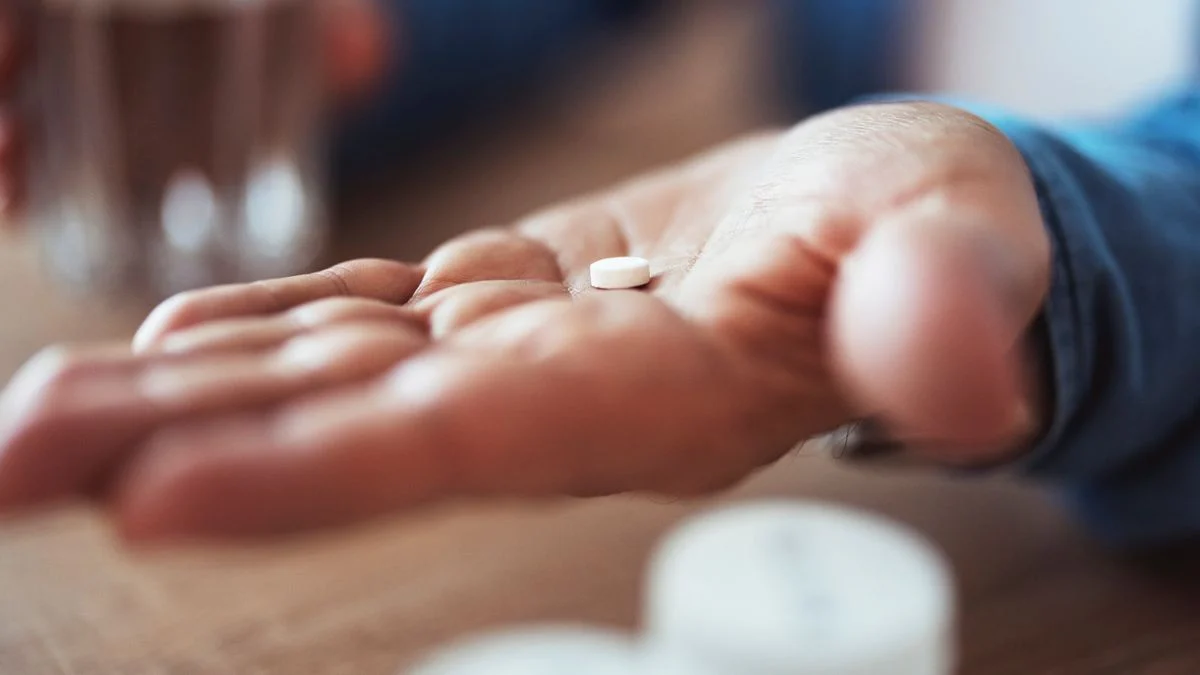
The landscape of obesity treatment is undergoing a seismic shift. For decades, the medical community’s approach to weight management was largely confined to lifestyle modifications—dietary restrictions and exercise—which, while foundational, often failed to produce long-term, clinically significant results for patients with chronic obesity. Today, we are witnessing a paradigm shift driven by the class of drugs known as GLP-1 (glucagon-like peptide-1) receptor agonists. While injectable treatments like Wegovy and Ozempic have dominated headlines, the pharmaceutical industry is now pivoting toward oral formulations, promising to make the "weight-loss pill" a reality for millions.
Main Facts: The Mechanism Behind the Miracle
At the heart of this pharmaceutical breakthrough is a molecule called semaglutide. Originally developed to treat type 2 diabetes by stimulating insulin secretion, semaglutide was found to have a potent secondary effect: it significantly suppresses appetite and increases feelings of satiety.
The drug mimics the GLP-1 hormone, which the body naturally releases in the gut after eating. By signaling to the brain that the stomach is full and slowing down gastric emptying, semaglutide effectively recalibrates the body’s hunger cues. The transition from injectable pens to oral tablets—often utilizing sophisticated delivery mechanisms to ensure the protein-based drug isn’t broken down by stomach acid before reaching the bloodstream—represents the next frontier in metabolic medicine.
Chronology: From Diabetes Management to Global Phenomenon
The journey of GLP-1 agonists is a testament to the serendipity of medical research.
- 2005: The FDA approves exenatide, the first GLP-1 agonist, setting the stage for a new class of metabolic medicine.
- 2017: Semaglutide (Ozempic) receives FDA approval for the treatment of type 2 diabetes. Clinicians quickly note that patients are experiencing substantial weight loss as a side effect.
- 2021: The FDA approves Wegovy (a higher-dose formulation of semaglutide) specifically for chronic weight management in adults with obesity or overweight, marking the first such approval since 2014.
- 2023: Global demand surges, leading to acute supply chain shortages. Pharmaceutical giants begin fast-tracking research into oral versions to mitigate the logistical hurdles of cold-chain injectable distribution.
- 2024: Clinical trials for oral semaglutide and its competitors reach critical milestones, with data suggesting that the efficacy of daily pills may soon rival the weekly injections that defined the "Ozempic Era."
Supporting Data: Efficacy and Clinical Outcomes
The data backing semaglutide is robust. In the landmark STEP clinical trials, participants without diabetes who were treated with 2.4 mg of semaglutide weekly lost, on average, nearly 15% of their body weight over 68 weeks, compared to roughly 2.4% in the placebo group.
When considering oral alternatives, the challenge has historically been bioavailability. Because GLP-1 agonists are peptides, they are susceptible to degradation in the gastrointestinal tract. New proprietary technologies—such as the use of absorption enhancers that protect the drug through the stomach lining—have enabled oral doses to achieve plasma concentrations comparable to injections. Early-phase trials indicate that these oral formulations are not merely "convenience" upgrades but clinically potent tools that offer a similar metabolic profile to their injectable counterparts, with reductions in body weight often exceeding 10% over the course of a 26-to-52-week regimen.
Official Responses and Regulatory Outlook
The medical establishment, including the American Medical Association (AMA) and the European Medicines Agency (EMA), has largely welcomed these developments, classifying obesity as a chronic disease that requires long-term management rather than a "quick fix."
However, regulatory bodies are exercising caution regarding the long-term safety profile. Common side effects—nausea, vomiting, diarrhea, and constipation—remain prevalent. More importantly, the medical community is currently debating the "withdrawal effect." Data indicates that when patients stop taking the medication, a significant portion of the lost weight is regained, suggesting that these drugs may need to be taken indefinitely, much like medications for hypertension or high cholesterol.
"We are entering an era where we must redefine the standard of care," says Dr. Elena Rossi, a metabolic researcher. "The goal is to transition these patients from a state of metabolic crisis to a stable, managed state, but we need longitudinal studies to understand the implications of decade-long usage."
Implications: The Societal and Economic Ripple Effects
The emergence of effective oral weight-loss medications carries profound implications that extend far beyond the pharmacy counter.
1. The Burden on Healthcare Systems
If these drugs become the standard of care, insurance providers and national health services face a massive financial dilemma. The cost of providing these medications to the millions of people who meet the clinical criteria for obesity could potentially bankrupt public health budgets. Conversely, the potential reduction in obesity-related comorbidities—such as heart disease, stroke, and type 2 diabetes—could save billions in long-term hospitalization and surgical costs.
2. Shifting the Cultural Narrative
The "Ozempic Era" has fundamentally altered how society views weight. By framing obesity as a biological and hormonal issue rather than a failure of willpower, the stigma surrounding weight is slowly eroding. However, this progress is complicated by the "vanity usage" of these drugs, where individuals who do not meet clinical criteria seek access for cosmetic weight loss, potentially causing shortages for those who need it for life-saving metabolic intervention.
3. The Future of Pharmacological Research
The success of semaglutide has sparked a "gold rush" in pharmaceutical R&D. Companies are now looking toward "multi-agonists"—drugs that act on multiple receptors (such as GLP-1, GIP, and Glucagon) simultaneously. These triple-action molecules promise even greater weight loss, potentially reaching 20–25% of body weight, which was previously only achievable through bariatric surgery.
4. Addressing the Supply and Access Gap
As oral versions reach the market, the manufacturing bottleneck may ease. Unlike injectables, which require sterile manufacturing of complex delivery devices, oral tablets are easier to mass-produce and store. This could theoretically democratize access, allowing for more equitable distribution across different socioeconomic tiers, provided that drug pricing remains within a reasonable range.
Conclusion: A Tool, Not a Cure
The development of oral semaglutide and its peers represents a milestone in modern medicine. By addressing the hormonal pathways of hunger and metabolism, science has provided a powerful tool for those struggling with the physiological realities of obesity.
However, the medical community maintains a consensus: these drugs are not a panacea. They are intended to work in tandem with nutritional counseling, behavioral therapy, and physical activity. As we move forward, the focus must shift from the novelty of the drug to the sustainability of the treatment. The challenge for the next decade will be integrating these powerful pharmacological agents into a comprehensive public health strategy that prioritizes long-term health outcomes over rapid, superficial results.
The weight-loss revolution is here, and it is changing the way we understand the human body. Whether this leads to a healthier global population or merely a new dependency on chronic medication remains the central question of our time. As the data continues to pour in, the medical community must remain vigilant, ensuring that safety, accessibility, and evidence-based practice remain the pillars of this new metabolic frontier.