
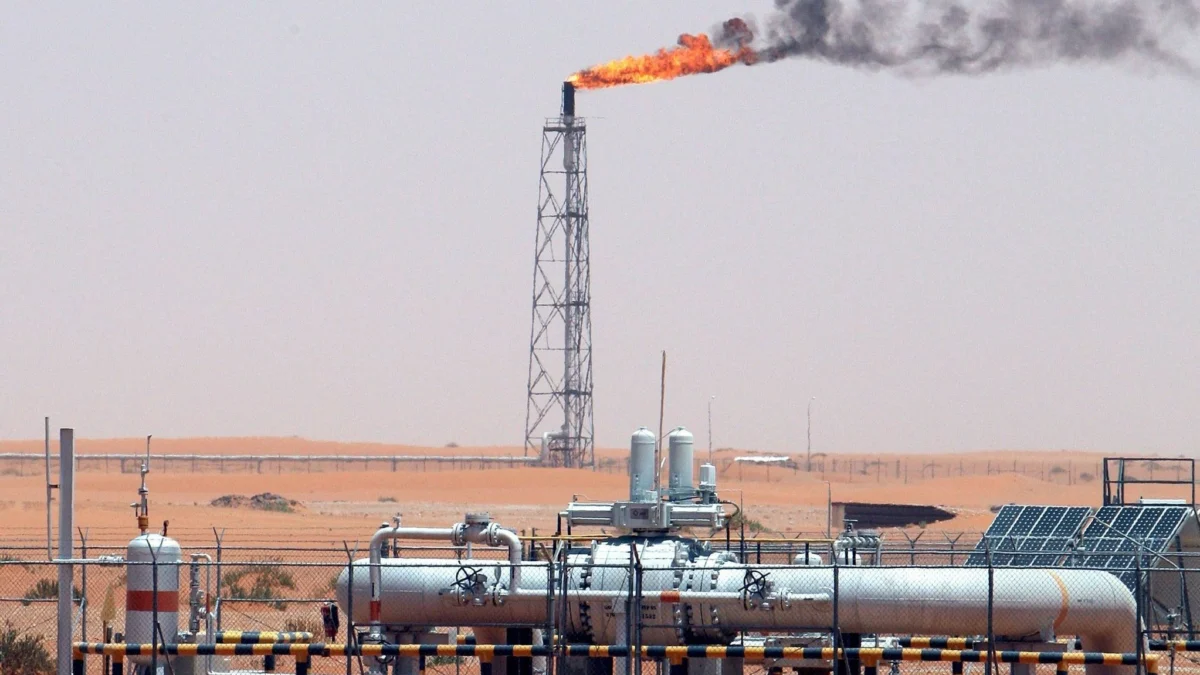
LONDON – In a significant move that underscores the fragility of global energy markets, the OPEC+ alliance, led by the heavyweight producers of Saudi Arabia and Russia, is reportedly finalizing plans to increase its collective oil production. This decision comes as the global economy grapples with the cascading effects of the ongoing conflict in the Middle East, which has tightened supply chains and kept energy prices at elevated levels for consumers worldwide.
According to industry insiders familiar with the deliberations, the organization is targeting an increase of approximately 188,000 barrels per day (bpd) starting in September. This adjustment marks a strategic pivot for the cartel, which had been steadily increasing its production quotas on a monthly basis since the onset of the current geopolitical instability.
Main Facts: The September Production Pivot
The decision to add nearly 200,000 barrels per day to the global market is not merely a technical adjustment; it is a signal of the alliance’s attempt to balance internal fiscal requirements with the external pressure to cool down global inflation.
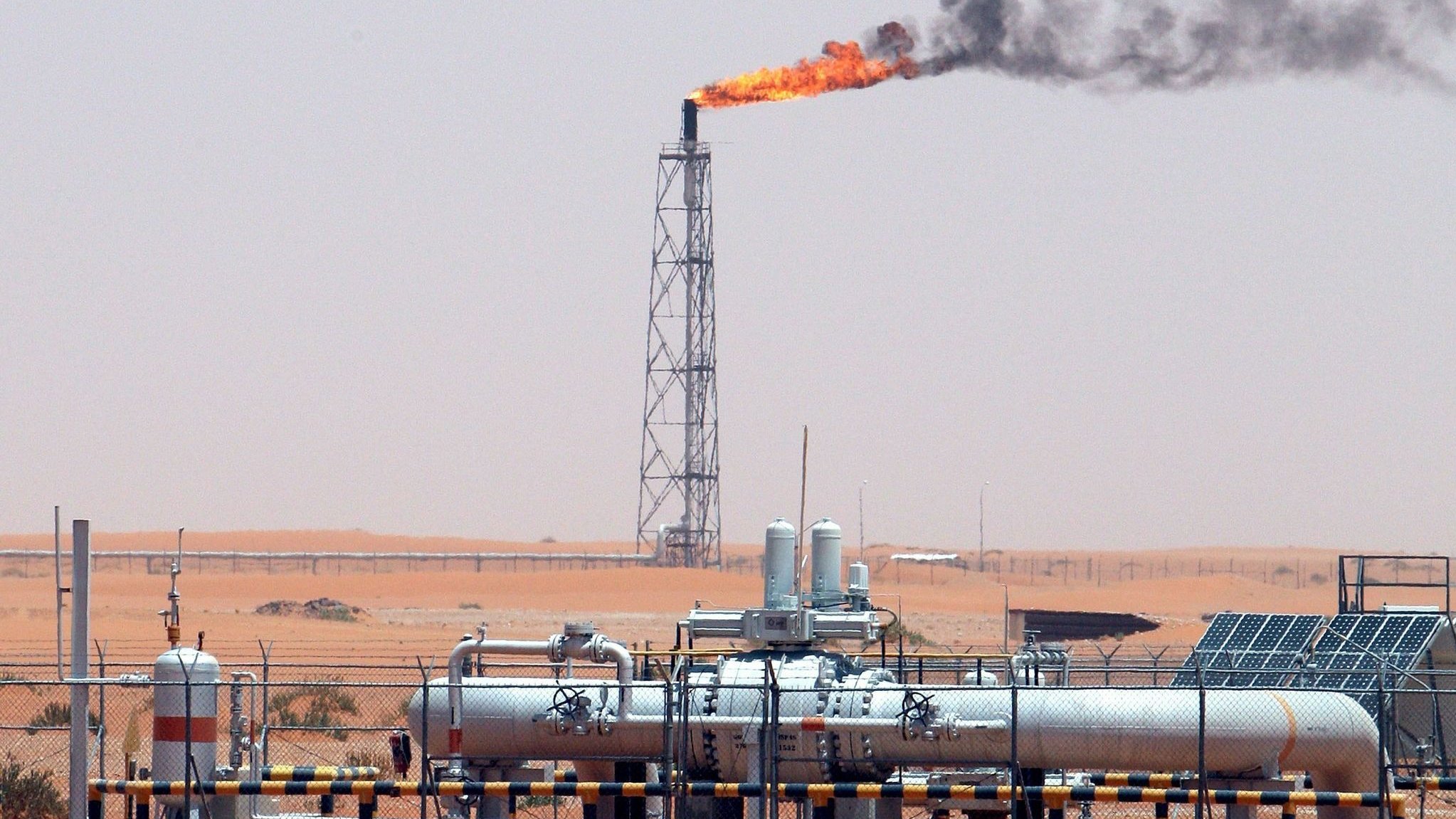
The planned increase in September serves a dual purpose. First, it effectively concludes the phase-out of a significant 1.65-million-barrel-per-day production cut that was originally agreed upon in 2023. At the time of that initial agreement, the group included the United Arab Emirates; however, with the UAE having departed the alliance earlier this year, the remaining members—principally Saudi Arabia and Russia—are now navigating a restructured internal landscape.
Following this September adjustment, the alliance is expected to implement a temporary pause in further output increases through the remainder of the calendar year. This "wait-and-see" approach is designed to provide the group with the necessary breathing room to evaluate market response and to navigate what are expected to be complex internal negotiations regarding future quotas.
Chronology: From Crisis to Calibration
The trajectory of the OPEC+ production strategy has been defined by a series of reactive shifts since the outbreak of hostilities in the Middle East.
- Early 2023: The alliance, then operating with a broader membership, enacted a deep production cut of 1.65 million barrels per day to shore up prices amidst fears of a global economic slowdown.
- Late 2023: As oil prices surged due to the tightening of supply, the cartel began a series of incremental, monthly production increases to prevent an inflationary spiral that could have triggered a global recession.
- May 2024: The departure of the United Arab Emirates from the organization fundamentally altered the power dynamics within the group, requiring a recalibration of quotas and a review of member capacities.
- August 2024: Preparations for the September meeting in London reached a fever pitch, with intelligence from inside the alliance suggesting that an increase of 188,000 bpd was the consensus target to balance market supply and internal revenue goals.
- September 2024 (Current): The group moves to solidify its production targets for the coming quarter, aiming to normalize supply while preparing for the more difficult task of setting long-term quotas for 2027 and beyond.
Supporting Data: Why 188,000 Barrels Matter
While 188,000 barrels per day may seem like a fraction of the global demand—which currently exceeds 100 million barrels per day—its impact on market sentiment is profound. The oil market operates on razor-thin margins of surplus and deficit.
Current analysis indicates that global demand remains resilient, particularly in Asia, despite the high-interest-rate environments in Western economies. By adding 188,000 bpd, OPEC+ is aiming to prevent a supply-side shock that could push oil prices past the $90-per-barrel mark, a threshold that central banks fear would reignite core inflation.
Furthermore, the data suggests that member nations are struggling to maintain their quotas. Countries like Iraq have publicly stated their desire for higher individual quotas, arguing that their infrastructure investment has significantly increased their capacity to produce. These internal pressures are why the group is conducting a rigorous review of actual production capacities—a technical audit that will determine the distribution of barrels for the 2027–2030 cycle.
Official Responses and Internal Tensions
While the public face of OPEC+ remains one of unity, the reality behind the scenes is one of intense negotiation.
"The focus is on sustainability," noted one anonymous source from the alliance. "We cannot simply flood the market, nor can we allow the current supply crunch to cripple global economic growth. The September adjustment is a calibrated response to both realities."
However, not all members are in agreement. The desire of several member states to maximize revenue to fund domestic social programs is frequently at odds with the Saudi-led effort to maintain price stability. Russia, too, occupies a unique position; heavily sanctioned and needing to maximize export revenue to fund its own military and economic requirements, it has often pushed for higher output, potentially conflicting with the price-stability mandates preferred by other members.

The Broader Implications: Beyond the Pump
The ripple effects of this decision extend far beyond the price at the gas station.
1. Global Economic Inflation
Energy costs remain a primary driver of the Consumer Price Index (CPI). Should OPEC+ successfully manage a "soft landing" in supply—increasing output enough to prevent price spikes but not enough to collapse the market—it would provide welcome relief to central banks currently struggling to bring inflation down to their 2% targets.
2. The Geopolitical Energy Map
The ongoing conflict in the Middle East has underscored the vulnerability of maritime chokepoints like the Strait of Hormuz. By demonstrating a capacity to act decisively on production, the alliance is attempting to maintain its relevance as the ultimate "swing producer" in a world increasingly turning toward renewable energy and domestic oil production in the U.S. and Latin America.

3. The 2027 Policy Shift
The ongoing assessment of member capacity is the most critical element of the current strategy. If the audit reveals that some nations have significantly overestimated their capacity, it could lead to a massive redistribution of quotas in 2027. This could result in a shift in influence, potentially diminishing the power of traditional giants and elevating the status of members who have successfully modernized their extraction technology.
4. Consumer Impact
For the average driver, the news is a mixed bag. While the immediate increase in supply may prevent further dramatic hikes at the pump, experts warn that the volatility of the Middle East conflict remains a wild card. Any escalation in regional tensions could quickly wipe out the benefits of the additional 188,000 barrels, as risk premiums are priced back into the futures market.
Conclusion: A Delicate Balancing Act
The decision by OPEC+ to increase production by 188,000 barrels per day is a masterclass in modern energy diplomacy. By simultaneously addressing the urgent need for more supply and signaling a pause to prevent a supply glut, the group is attempting to steer the global economy away from the twin dangers of energy-driven inflation and recession.

As the alliance meets in London, the eyes of the financial world are fixed on the details. Will the internal pressure from members like Iraq, who demand more, be placated by the promise of the 2027 quota reviews? Will the market accept this increase as sufficient, or will the "fear premium" associated with the Middle East conflict continue to dominate price action?
For now, the oil markets remain in a state of watchful waiting. The 188,000-barrel increase is a step in the right direction, but in a world defined by geopolitical uncertainty, it is only one piece of a much larger, more volatile puzzle. The coming months will be defined by how the group handles the transition from reactive, month-to-month decision-making to a long-term strategic plan that can survive the pressures of a fragmenting global order.