

Date: July 31, 2026 | Market Update
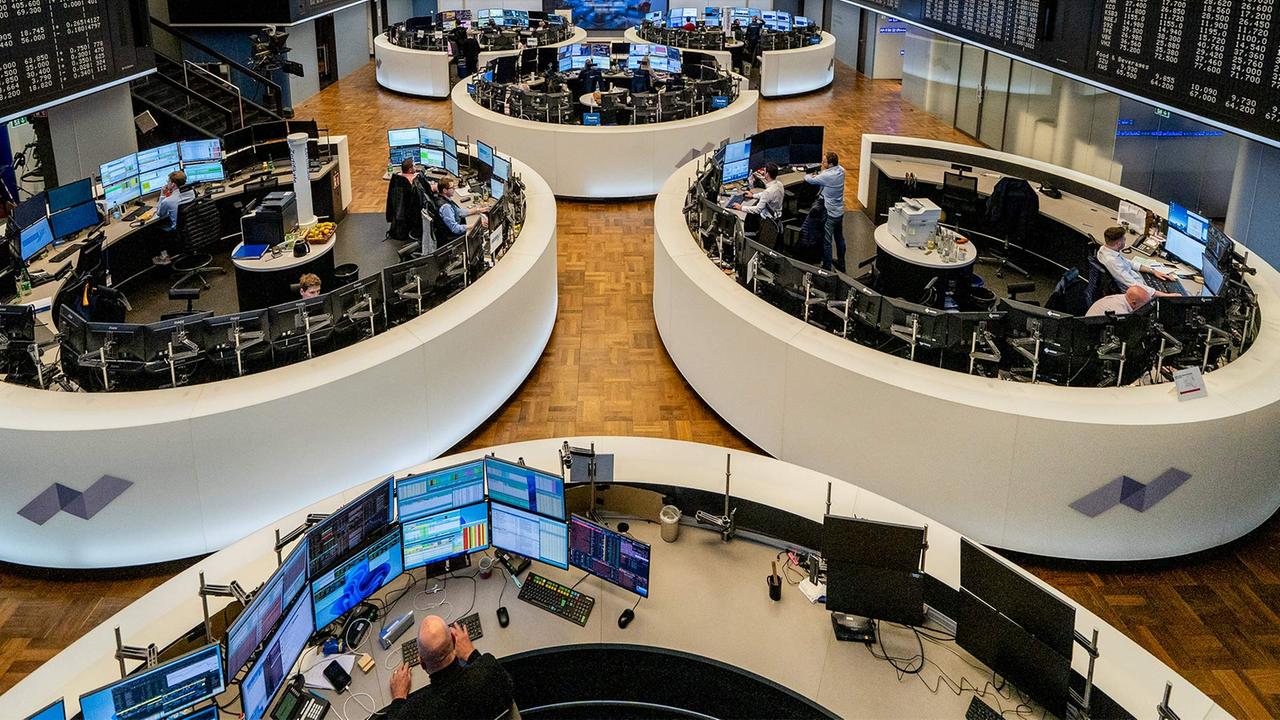
The global equity markets closed the week with a blend of optimism and apprehension. In Germany, the DAX index managed a modest gain, closing up 0.07% at 25,629 points, capping off a week of volatile but ultimately positive performance with a total gain of 2.1%. While the index flirted with its early-July record highs during the morning session, the momentum faded as the day progressed, reflecting the underlying tension that continues to dominate investor sentiment.
Main Facts: The Tech-Driven Recovery
The primary engine behind this week’s resilience has been a renewed interest in the technology and semiconductor sectors. Following a period of aggressive sell-offs and corrections, investors are once again rotating into growth stocks, emboldened by robust quarterly results from U.S. tech giants. Microsoft and Amazon, in particular, served as the primary catalysts for market confidence, proving that the structural demand for Artificial Intelligence (AI) and cloud computing remains largely intact despite elevated operational costs.
However, the market remains bifurcated. While chipmakers and cloud-infrastructure providers enjoyed significant rallies, other sectors—particularly traditional automotive suppliers and consumer goods—faced sharp declines, underscoring the divergence in corporate performance in the current economic climate.
Chronology of the Trading Week
The week began under a cloud of uncertainty, with investors closely watching geopolitical developments in the Middle East and tracking the latest inflation data from the Eurozone. By mid-week, the mood shifted as U.S. tech earnings began to pour in.
- Mid-Week Pivot: Strong cloud revenue growth reported by Microsoft and Amazon injected a sense of urgency into European tech buying.
- Friday Peak and Retreat: The DAX opened with significant gains, nearly touching all-time highs, before profit-taking and "pre-weekend" jitters caused a gradual decline in the final hours of trading.
- Sector Divergence: Throughout the week, the focus remained squarely on "AI-heavy" portfolios, while companies struggling with structural reorientation, such as Schaeffler and Puma, saw their valuations plummet.
Supporting Data: Winners and Losers
The market’s performance was defined by a stark contrast between high-growth technology firms and legacy industrial players.
The Semiconductor Surge
Chip stocks led the charge, with Infineon rising by as much as 6% during the session. The mid-cap sector saw similar enthusiasm, with Aixtron, Süss Microtec, and Siltronic among the top performers. Siltronic was particularly buoyed by favorable analyst ratings following its recent earnings disclosure.
The Amazon Effect
Amazon’s decision to increase its capital expenditure to $220 billion for the current fiscal year to bolster its AI infrastructure was a major talking point. The investment signals that Amazon is doubling down on its AWS (Amazon Web Services) segment, which outperformed analyst expectations.
The Apple Disappointment
Conversely, Apple faced a significant headwind. An underwhelming revenue forecast, compounded by supply chain bottlenecks for critical components ahead of the next iPhone launch, caused its stock to stumble, illustrating that even tech giants are not immune to logistical and inflationary pressures.
Industrial and Consumer Struggles
The industrial sector suffered a notable blow. Schaeffler plummeted by 18% after the company lowered its medium-term targets. The integration of Vitesco and the slow adoption rates in the electric vehicle (EV) segment have created a difficult transition period for the company. Puma also faced a sell-off as the combination of a corporate restructuring and reduced consumer demand—partially linked to the ongoing conflict in the Middle East—led to continued losses.
Official Perspectives and Analyst Commentary
Market experts remain cautious about declaring a definitive "all-clear" signal. Timo Emden of Emden Research noted that while the "flurry of mostly positive quarterly results" provides a necessary tailwind to override geopolitical fears, it is a temporary reprieve.
Jochen Stanzl, Chief Market Analyst at Consorsbank, highlighted the psychological aspect of the rally: "The hope is growing that AI stocks have now priced in enough risk." However, he cautioned that whether this recovery marks a sustainable trend reversal remains to be seen.
From the geopolitical front, Frank Sohlleder of ActivTrades characterized the current energy market as a "powder keg." Traders are forced to oscillate between fears of escalation in the Middle East and moments of relief, keeping volatility metrics uncomfortably high. Furthermore, Serge Nussbaumer of Maverix emphasized that despite the risks, AI remains the most significant structural growth driver for the next decade.
Macroeconomic Implications
The broader economic environment continues to serve as a drag on market exuberance. Inflation in the Eurozone remains a primary concern, with prices for goods and services rising by 2.9% year-on-year in July. Germany’s inflation rate reached 2.8%, complicating the European Central Bank’s future monetary policy path.
The prospect of a more restrictive monetary policy from the Federal Reserve in September is also weighing heavily on institutional investors. The combination of high interest rates and the "wait-and-see" approach regarding inflation means that the market is likely to remain sensitive to every piece of economic data published in the coming weeks.
Looking Ahead: The August Outlook
The first week of August is expected to be a critical juncture for the markets as the earnings season moves into its next phase.
- U.S. Focus: Investors will be scrutinizing reports from Palantir Technologies, AMD, and Super Micro Computer to gauge whether the AI spending spree is translating into long-term profitability.
- European/German Focus: The domestic market will shift its focus to quarterly reports from major DAX constituents, including Bayer, Deutsche Lufthansa, Infineon, Deutsche Telekom, and Munich Re.
These reports will provide a clearer picture of whether European industry can withstand the dual pressures of elevated energy costs and a cooling global demand environment. For the time being, the market is caught in a tug-of-war between the technological transformation promised by AI and the harsh realities of a complex geopolitical and inflationary landscape. Investors are advised to remain vigilant, as the current volatility suggests that any single piece of negative data could easily reverse the gains made in this tech-heavy week.