

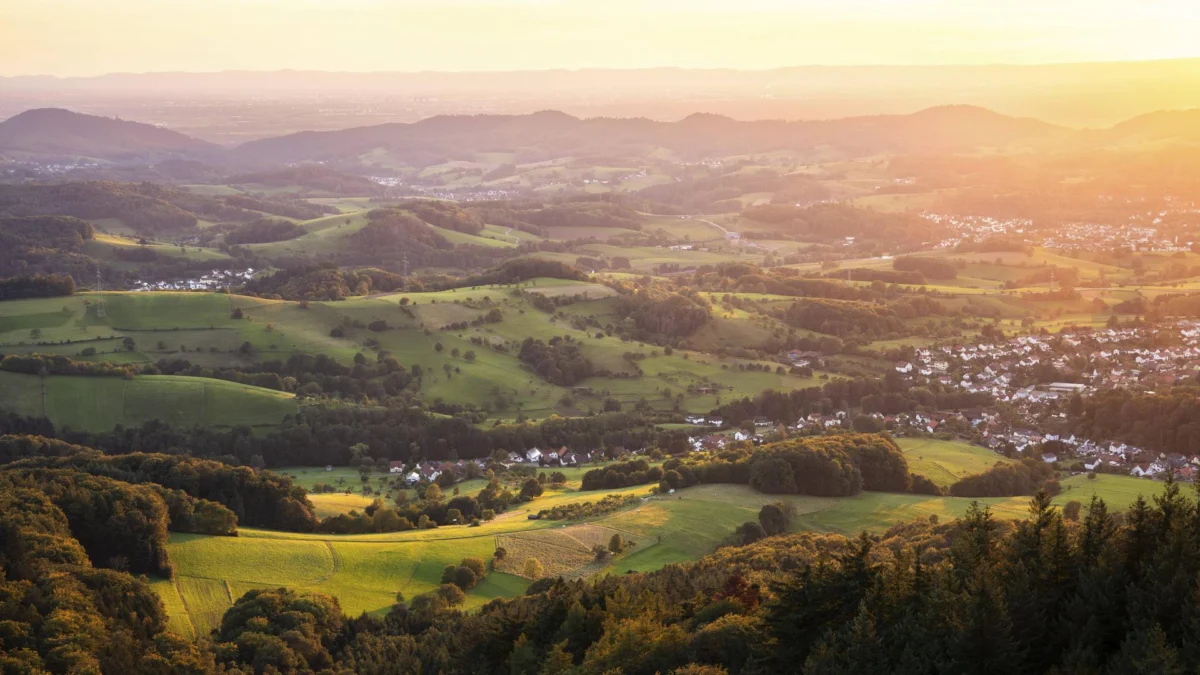
As the month of May unfolds, bringing with it a sequence of public holidays, many residents across Hesse are looking to trade the urban bustle for the serenity of the countryside. Despite the unpredictable spring weather, which may bring occasional showers, the region remains a premier destination for those seeking fresh air, historical exploration, and panoramic vistas. From the rolling vineyards of the Rheingau to the rugged ridges of the Odenwald, we have curated a guide to Hesse’s most breathtaking observation points—each selected for its unique charm and proximity to reliable shelter.
Main Facts: The Geography of Perspective
Hesse’s topography is defined by its dramatic changes in elevation, offering a wealth of opportunities for those who appreciate a "birds-eye" view. Whether you are scaling a medieval tower or standing atop a volcanic peak, the state’s network of observation towers, castles, and hilltop trails provides a diverse range of experiences.
Key regions such as the Taunus, the Odenwald, the Lahn-Dill area, and the Rhön mountains feature prominently in this guide. Each location offers a blend of physical activity, such as hiking or cycling, and cultural education, making them ideal for long-weekend excursions.
Chronology of Exploration: A Journey Through History
The history of these observation points is as varied as the landscapes themselves.
- Medieval Origins: Sites like the Burg Königstein and the ruins at Falkenstein and Kronberg date back centuries, originally serving as defensive structures before becoming modern landmarks for hikers.
- The Age of Industrial Observation: The late 19th and early 20th centuries saw the construction of many observation towers, such as the Georg-Viktor-Turm near Korbach, which was designed to offer the burgeoning tourist class of the industrial era a chance to survey the German landscape.
- Modern Reinterpretation: Recent years have seen a marriage of heritage and high-tech. The integration of Augmented Reality (AR) at the Eisenberg near Korbach, which allows visitors to see the landscape as it looked 258 million years ago, represents the cutting edge of how we interact with history today.
Supporting Data: Regional Highlights
The Taunus: A Trifecta of Castles
For those seeking a less crowded alternative to the busy Rüdesheimer vineyards, the "Three Castles Tour" (Drei-Burgen-Tour) in the Taunus is an excellent choice. This 11-kilometer route begins at the Königstein train station.
- Burg Königstein: The journey starts at this impressive ruin.
- Dettweiler Tempel: Following narrow paths, hikers reach this temple, which offers an unparalleled panorama of the Rhein-Main plain.
- Kronberg: The final stop, where the castle’s keep provides a view stretching all the way to the iconic Frankfurt skyline.
Rheingau: Johannisberg and the Riesling Legacy
While Kloster Eberbach is the region’s most famous site, Schloss Johannisberg offers a quieter, more picturesque experience. Surrounded by world-renowned Riesling vineyards, the castle overlooks the Rhine. For a more adventurous day, the Rheinsteig trail connects the monastery to the castle, offering an 11-kilometer hike through the heart of Germany’s wine country.
Southern Hesse: The Ludwigshöhe and the Trommturm
In the south, the Ludwigshöhe in Darmstadt serves as a local favorite. Standing at 27 meters, its observation tower allows for views as far as the Taunus, the Hunsrück, and even the Vosges mountains.
Further south in the Odenwald, the Trommturm near Rimbach provides a vertical challenge. With 192 steps to the top of the 577-meter-high massif, visitors are rewarded with vistas across the Weschnitztal and the Rhine plain. For those less inclined to hike, the tower is accessible via a short walk from the local nature park parking lot.
Middle Hesse: Braunfels and the Keltenwelt
Schloss Braunfels, often described as a "fairytale castle," provides not only a historical glimpse into the lives of the counts of Oppersdorff zu Solms-Braunfels but also a magnificent terrace view of the surrounding Lahn-Dill region.
Meanwhile, the Glauberg in the Wetterau offers a deeper historical perspective. As a significant site from the Iron Age, the Keltenwelt (Celtic World) museum and the surrounding trails provide an educational experience, with a 2-kilometer path leading to the ruins of the Burg Glauburg.
Northern Hesse: Augmented History in Korbach
The Georg-Viktor-Turm on the Eisenberg is a technological marvel. By utilizing an app, hikers can see the region’s geological and historical evolution. It is a rare opportunity to bridge the gap between a simple hike and a deep dive into deep time, including the virtual appearance of prehistoric creatures.
The Borderlands: Wanfried and the Cold War
The "P12 Mainzer Köpfe" trail near Wanfried offers more than just views of the Werratal. It is a trail that traces the history of the old border between East and West Germany. With preserved sections of the old "Agent’s Sluice" (a tunnel used for border crossings), the hike serves as a somber reminder of the divided past while offering beautiful rest points like "Kimms Ruh."
Official Responses and Perspectives
Conservationists and local tourism boards emphasize the importance of these sites in promoting "slow tourism." By encouraging visitors to spread out across these diverse locations rather than flocking to major hubs, local municipalities hope to preserve the natural integrity of the trails while providing a significant boost to the regional economy.
"Our goal is to ensure that visitors can connect with both the natural beauty of Hesse and its complex cultural narrative," says a spokesperson for the local tourism department. "Whether it’s the salt-mining history at the Monte Kali or the Celtic legacy at the Glauberg, each site offers a different window into our collective identity."
Implications: Sustainability and Future Planning
As the number of visitors to these sites increases, the implications for infrastructure are clear. Many of the trails mentioned require careful maintenance to prevent erosion, and the increasing reliance on digital apps—as seen in Korbach—suggests that the future of German tourism lies in "smart" nature experiences.
Furthermore, the focus on accessible trails for people with disabilities—such as the specialized tours at the Monte Kali—demonstrates an inclusive shift in how Hesse approaches its public spaces. As these sites become more popular, the challenge will remain in balancing public accessibility with the need to protect the sensitive flora and fauna of the Taunus, Rhön, and Odenwald regions.
Summary of Recommendations for the Long Weekend
- Check the Weather: While many sites have shelters, the terrain can become muddy. Sturdy footwear is essential.
- Use Public Transport: Many of these locations, such as the Königstein start point or the bus route to Johannisberg, are well-connected by regional transit.
- Engage with the Apps: For locations like the Eisenberg or the Keltenwelt, downloading the relevant apps beforehand will significantly enrich your visit.
- Respect the Environment: Stay on marked paths, particularly in the nature reserves of the Rhön and the Kellerwald-Edersee.
- Plan for Crowds: Popular sites like the Willingen Skywalk or the Waterkuppe may see high volume; consider visiting these locations early in the morning to enjoy the views in relative peace.
By choosing these lesser-known but equally magnificent vantage points, visitors to Hesse can find the perfect balance between physical exertion, historical enlightenment, and the quiet enjoyment of some of Germany’s most spectacular scenery.














Leave a Reply