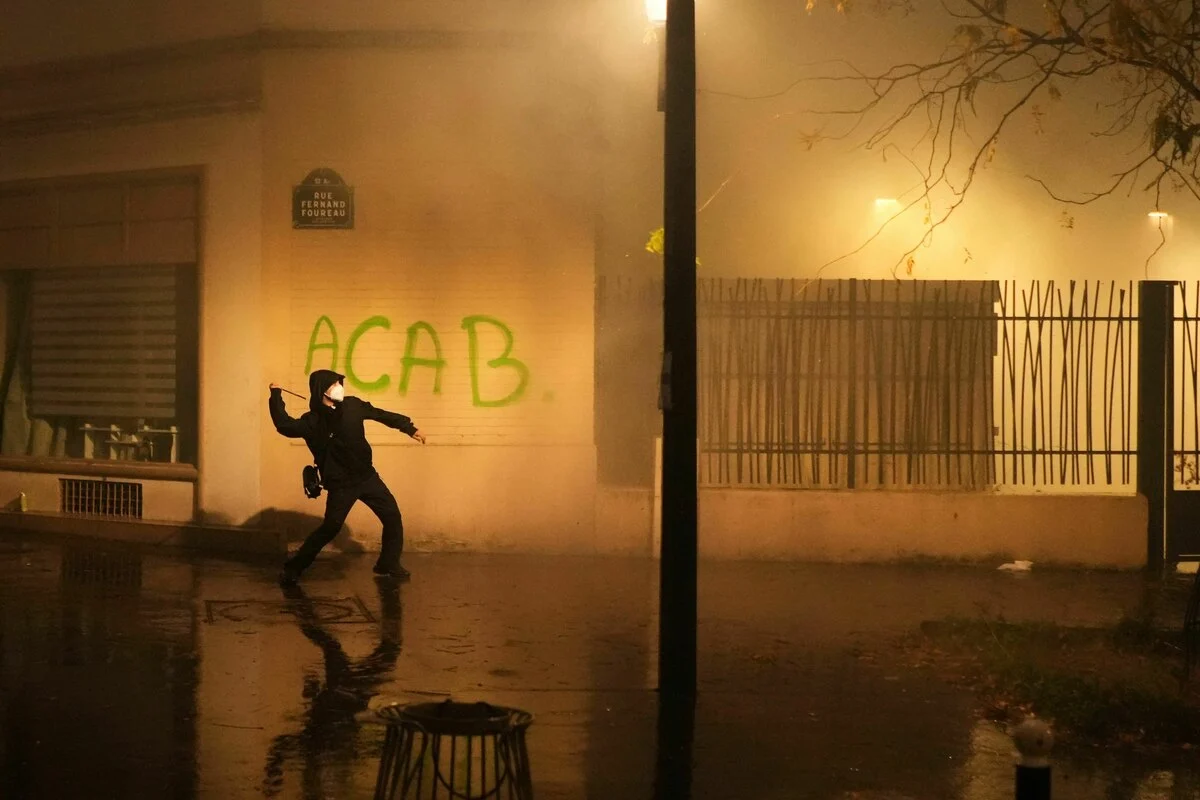
The streets of France have become a stage for a deepening national confrontation. On October 24, hundreds of thousands of citizens—estimates range from 410,000 according to the Ministry of the Interior to 800,000 according to trade union figures—marched in a second major day of protest. Driven by a volatile mix of economic hardship, rising costs of living, and deep-seated dissatisfaction with the administration of President Emmanuel Macron, the movement is testing the limits of French social cohesion and the government’s commitment to civil liberties.
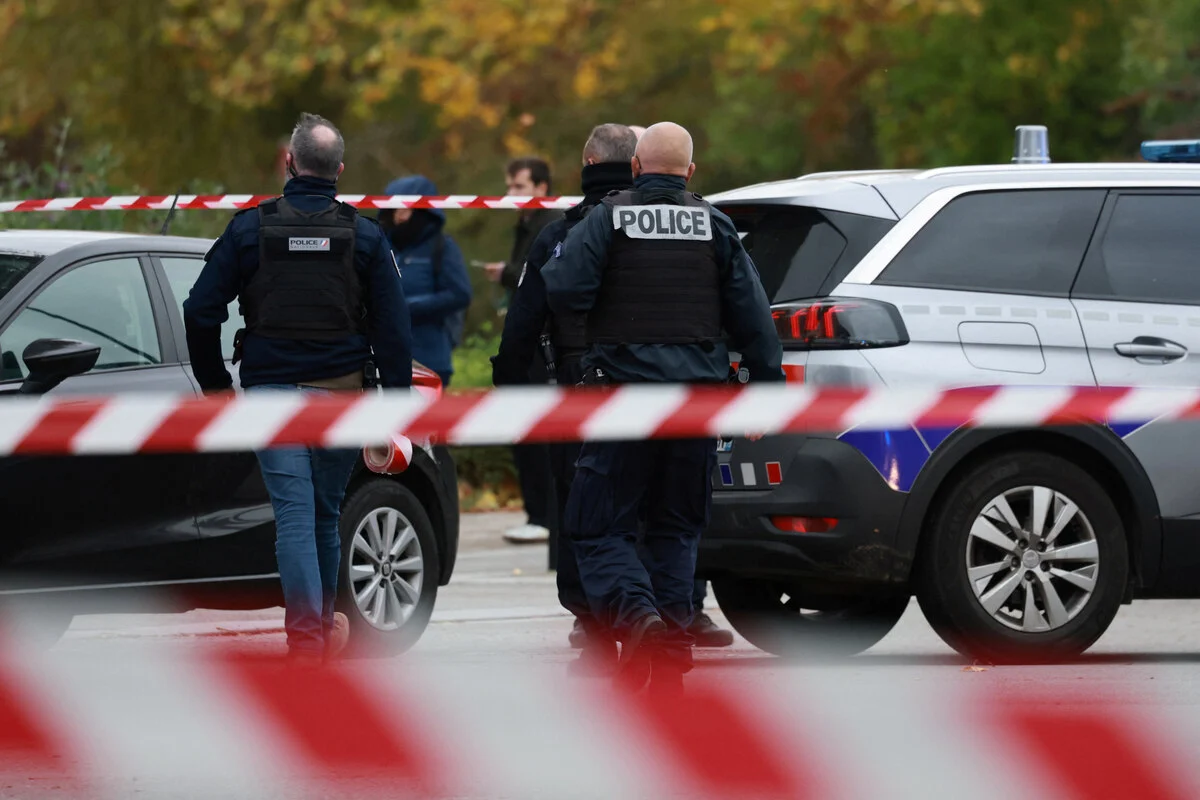
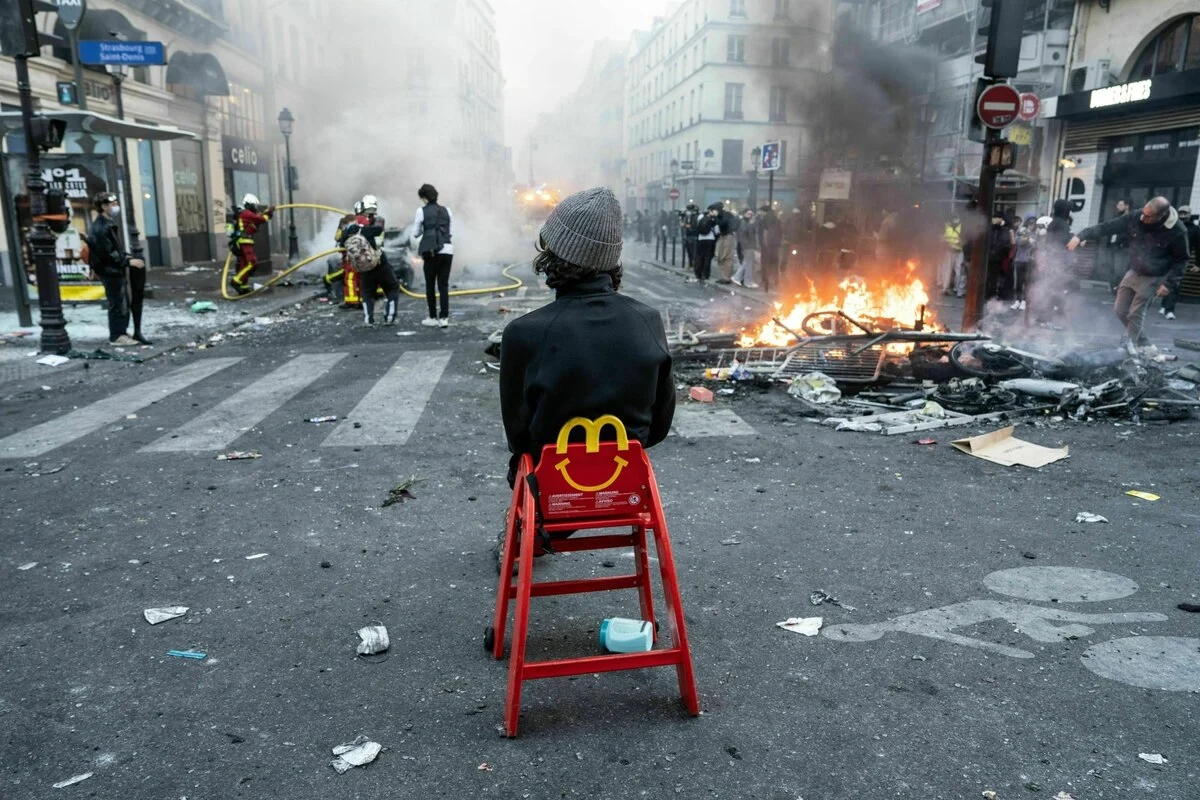
While the "Act II" protests largely avoided the widespread destruction that characterized the events of October 17, the atmosphere remains charged. The state has responded with a show of force unseen in recent years, mobilizing 70,000 police officers—a 10,000-person increase from the previous week—and implementing restrictive measures that have drawn sharp criticism from human rights advocates and protesters alike.
A Chronology of Confrontation
The events of October 24 began under a cloud of tactical maneuvering. The demonstration in Paris was originally slated to commence at the Place de la Bastille, a site heavy with historical symbolism linked to the French Revolution of 1789. However, citing security concerns and a desire to curb potential unrest, the Paris police prefecture issued a last-minute order shifting the route to the city’s southern outskirts.
This move effectively pushed the protest out of the city’s heart, an act that demonstrators viewed as a calculated attempt to stifle visibility and marginalize their grievances. This was not an isolated incident but rather part of a broader, more aggressive government strategy. Since the initial upheavals on October 17, the authorities have employed a series of restrictive measures, including bans on non-union-sanctioned gatherings, the enforcement of nighttime curfews, and the visible deployment of military personnel in the capital.
Despite the disruption to the planned route, the weather, and the onset of autumn school holidays, the turnout remained substantial. In Paris alone, at least 110,000 people took to the streets, matching the figures from the previous week.
The Human Perspective: A Tale of Two Realities
For many, the protests were less about the threat of violence and more about the urgent need for a better future. Josefien Mertens, a 19-year-old student, participated in the Paris march and described an atmosphere that felt worlds away from the images of burning barricades often broadcast in the media.
"I was there for two hours and saw absolutely no violence," Mertens reported. She described a scene of collective expression, noting a band playing "Bella Ciao" and citizens sharing food and information. For her, the most striking aspect was the sheer scale of the collective demand for change.
However, the logistical chaos caused by the state’s last-minute route change left local business owners scrambling. While the area around the Bastille had been heavily fortified with wooden boards for days in anticipation of trouble, the new route saw shopkeepers frantically trying to secure their premises just hours before the marchers arrived. Ultimately, the widespread looting and destruction that had previously dominated headlines did not materialize at "Act II."
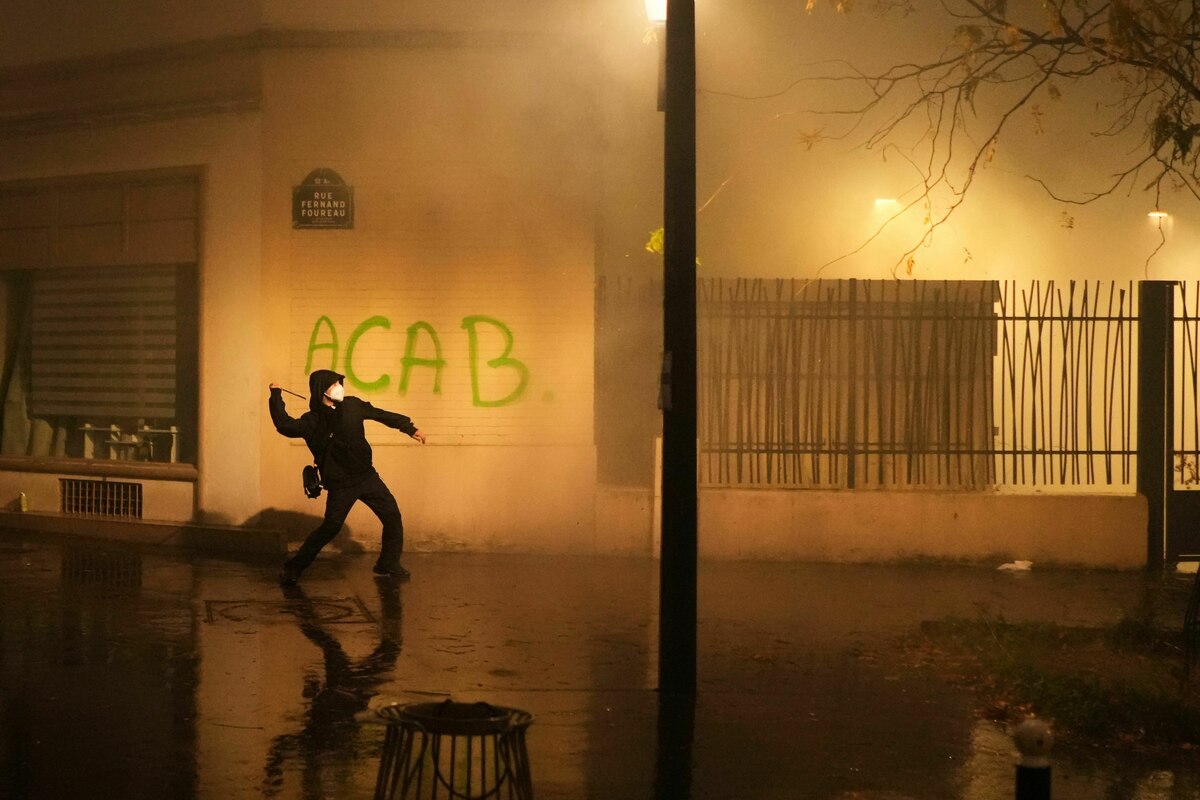
Yet, the day was not without its scars. As evening fell and the demonstrations reached their designated conclusion, the situation deteriorated. Reports and video footage confirm that authorities deployed tear gas, water cannons, and batons to disperse the crowds. The human cost was significant: a young man in Toulouse suffered a severe hand injury, another in Clermont-Ferrand lost fingers due to a tear gas grenade, and a demonstrator in Poitiers sustained a serious eye injury.
Official Responses and Tactical Escalation
Despite the injuries and the heavy-handed dispersal tactics, Interior Minister Laurent Nuñez characterized the day’s events as having "proceeded well." The government’s stance remains firm, focusing on the preservation of public order and the containment of what they term "unacceptable" disruption.

The scale of the state’s response is unprecedented. With 70,000 officers deployed nationwide, the government is signaling that it will not tolerate the volatility seen in previous weeks. By the end of the day, authorities reported approximately 1,000 arrests across the country.
President Macron’s administration continues to frame the protests as the product of agitators rather than genuine public discourse. However, the protesters view the state’s reaction as a fundamental betrayal of the French Republic’s core tenets: Liberté, Égalité, Fraternité.
The Core Grievances: A Nation at Odds
The protests are rooted in a profound sense of abandonment. Participants like Dorian, a student from Paris who chose to remain anonymous for fear of reprisal, represent the core of the movement. For Dorian, the experience of being kettled by police and subjected to tear gas at the Place de la République the week prior was not a deterrent, but a catalyst.
"It would be a lie to say I’m not afraid," Dorian admitted. "But if you have to be afraid of violent suppression while protesting, that is, for me, the exact reason why you must go."
His grievances are systemic. He accuses the government of neglecting essential public infrastructure—specifically the educational system—while simultaneously granting tax concessions to the wealthy. This perception of a widening wealth gap, coupled with the state’s increasing reliance on restrictive legislation and police power, has created a feedback loop of anger. The protesters feel that the "social contract" is being rewritten without their consent.

Implications for the Future
The standoff shows no signs of abating. Jean-Luc Mélenchon, leader of the left-populist La France insoumise (LFI), issued a defiant statement on Saturday, warning the administration that the protests are not a temporary burst of anger but a structural response to their policies. "Macron will understand that this will repeat itself every week," he declared.
The momentum is already building for future demonstrations. The "Yellow Vest" movement, which has found common cause with the current wave of protesters, has already announced an "Act III" for October 31. Furthermore, the CGT trade union has called for a nationwide general strike on November 5, suggesting that the focus is shifting from street protests to a more sustained, systematic economic blockade.
The implications for the French government are severe. By relying on police containment rather than political negotiation, the administration risks further alienating a significant portion of its youth and working class. As the government attempts to suppress the outward symptoms of the unrest, the underlying causes—inflation, lack of investment in public services, and a perceived lack of democratic accountability—remain unaddressed.
Conclusion: A Democracy in Flux
The events of October 24 serve as a microcosm of the current state of French democracy. On one side stands a government determined to maintain control through the apparatus of the state; on the other, a diverse coalition of citizens who feel that their only remaining voice is in the streets.
The lack of violence at the main rally of "Act II" provides a fleeting moment of relief, but the underlying tensions remain. The severe injuries reported in provincial cities and the continued threat of police intervention suggest that the "Act III" and the upcoming general strike will be even more contentious.

As France moves toward the end of October, the question is no longer just about the cost of living or the state of schools. It has become a fundamental debate about the nature of the French state itself. Can a government survive by treating its own citizens as a security threat, or will the weight of these weekly protests eventually force a return to the negotiating table? For now, the streets of France remain the only place where that question is being asked with any urgency. The cycle of protest, repression, and deeper resolve is likely to continue until the government addresses the grievances that have brought hundreds of thousands to the barricades.