A violent rampage across several municipalities west of Paris has left the nation in shock. As authorities piece together the events of a morning characterized by indiscriminate gunfire, the national anti-terror prosecutor has stepped in, citing evidence of a hate-motivated terror attack.
The Incident: A Morning of Terror
In a chilling display of violence that has shattered the relative calm of suburban life west of Paris, a lone gunman terrorized multiple communities on Friday. Operating from a moving vehicle, the assailant opened fire on unsuspecting civilians, leading to at least one fatality and four injuries.
The violence, which took place in the towns of Trappes and the nearby commune of La Verrière, has been classified as a targeted act of terror. According to official reports, the perpetrator utilized an automatic weapon of Category A status—a classification reserved for military-grade hardware—to spray bullets at bystanders in at least three separate locations.
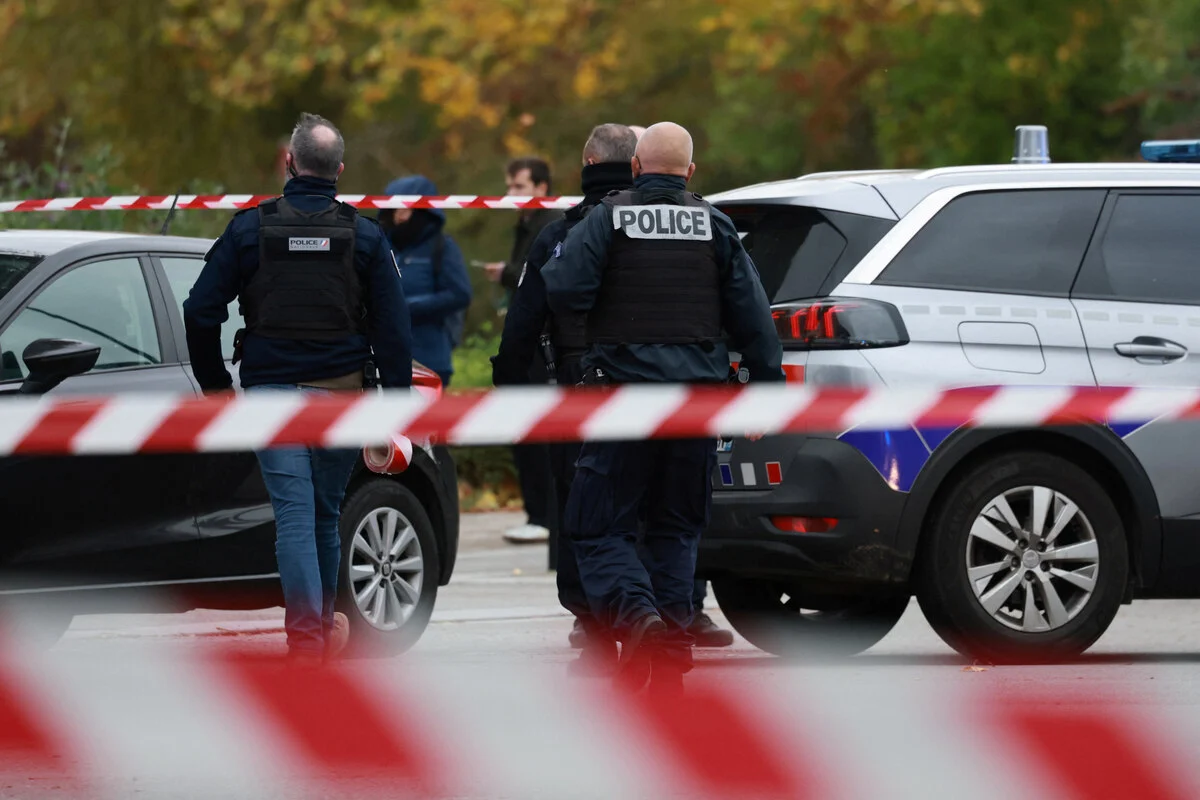
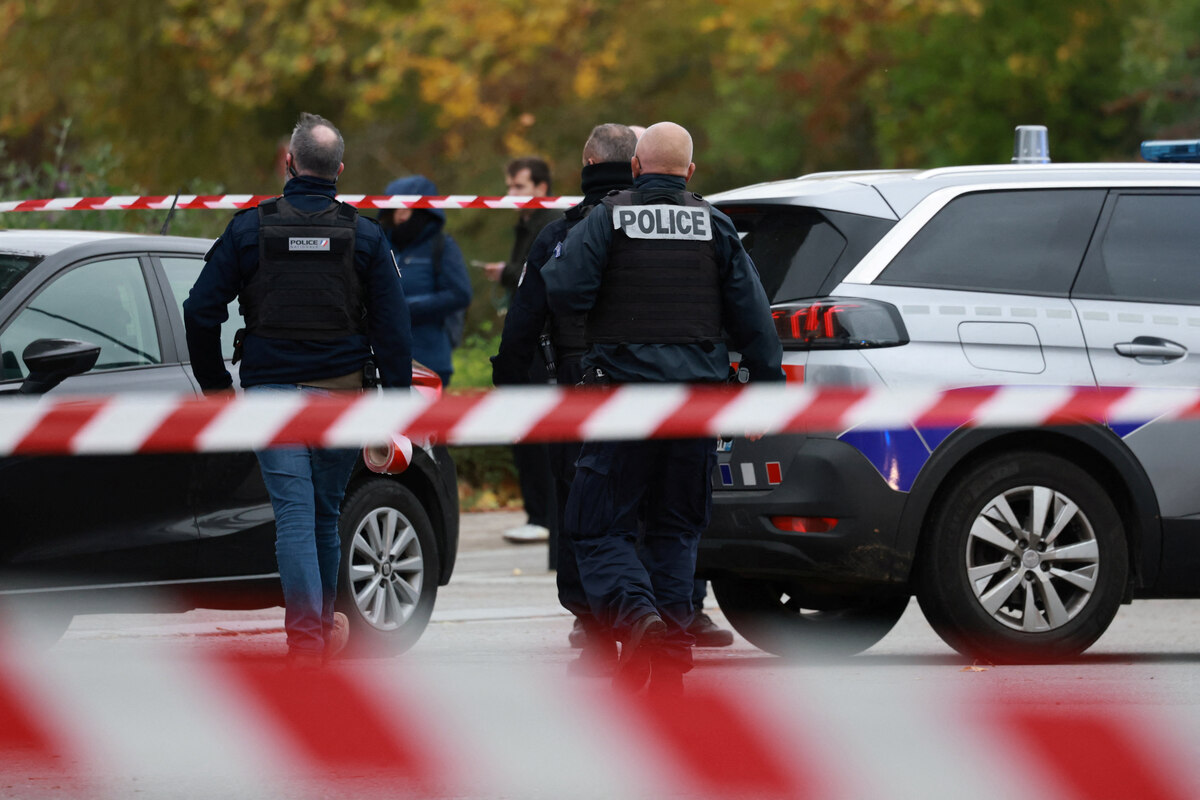
The gravity of the situation was underscored by the rapid mobilization of France’s elite security forces. Following the initial distress calls, law enforcement engaged in a high-stakes search that concluded shortly thereafter with the arrest of the suspect in the commune of Coignières.
Chronology of the Rampage
The timeline of the attack began on Friday morning. While the exact duration of the shooting spree is still being reconstructed by investigators, the sequence of events points to a calculated effort to inflict maximum harm.
- Initial Outbreak: The gunman began his assault in Trappes, a town west of Paris. Witnesses described a chaotic scene as a vehicle drove through public spaces, with the driver discharging an automatic weapon indiscriminately at anyone in the vicinity.
- Expansion to La Verrière: The assailant moved to the neighboring commune of La Verrière. It was here that the impact of the attack took a particularly devastating turn, with reports confirming that a twelve-year-old child was among those critically wounded.
- The Final Strike: The perpetrator continued to target victims across three distinct sites. Local officials, including the Mayor of Trappes, Ali Rabeh, later described the shooter’s intent as an attempt to trigger a “bloodbath,” noting that the attacker appeared to be selecting targets at random.
- The Apprehension: Following a swift police response, the suspect was intercepted and apprehended in the town of Coignières. He is currently in custody, and local authorities have cautioned that the final toll of victims remains subject to change as the investigation proceeds.
Supporting Data and Victim Profile
The demographic profile of the victims has become a central element of the investigation. Interior Minister Laurent Nuñez confirmed that the gunman utilized an automatic weapon capable of firing continuous bursts.
Mayor Ali Rabeh provided grim details regarding the victims, noting that the individual who lost their life was of African origin. Furthermore, one of the survivors, who remains in life-threatening condition, is of Maghrebinian origin. These details have heavily influenced the direction of the judicial inquiry. The nature of the attack, combined with the apparent targeting of specific demographics, led the Anti-Terrorism Prosecutor’s Office (Parquet national antiterroriste) to officially open a case for "murder in connection with a terrorist enterprise."
The prosecutor’s office further specified that the motive appears to be rooted in the victim’s "actual or perceived belonging to a specific race, ethnicity, nation, or religion." This classification elevates the crime from a standard homicide to a hate-driven act of terrorism, triggering the involvement of specialized state resources.
Official Responses and Political Repercussions
The reaction from the highest levels of the French government was immediate and somber. President Emmanuel Macron, addressing the nation via the platform X (formerly Twitter), expressed his profound devastation, characterizing the event as a direct assault on the values of the republic. He extended his full support and gratitude to the security and rescue forces who responded to the scene under high-pressure conditions.
Prime Minister Sébastien Lecornu characterized the incident as "extremely serious." He confirmed that the entirety of France’s judicial and security apparatus has been mobilized to ensure a thorough investigation and to provide justice for the victims.
In Trappes, the local municipal government has begun the process of providing support to the affected community, including the establishment of psychological counseling centers for witnesses and the families of the victims. The trauma of the event is compounded by the fact that the victims included minors, forcing the local authorities to prioritize pediatric psychiatric support.
Contextualizing the Violence
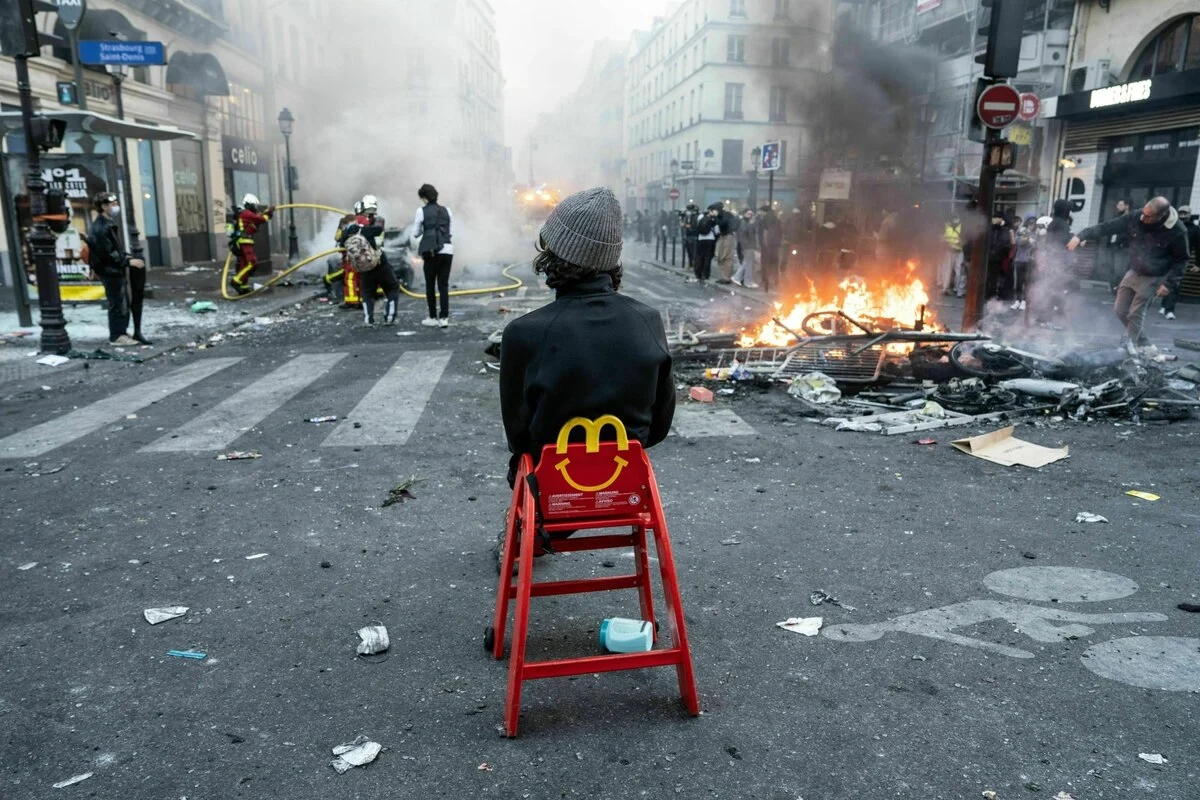
The shooting occurs against a backdrop of extreme social and political tension within France. The nation has been grappling with weeks of civil unrest, sparked by rising living costs and systemic frustrations within the education system.
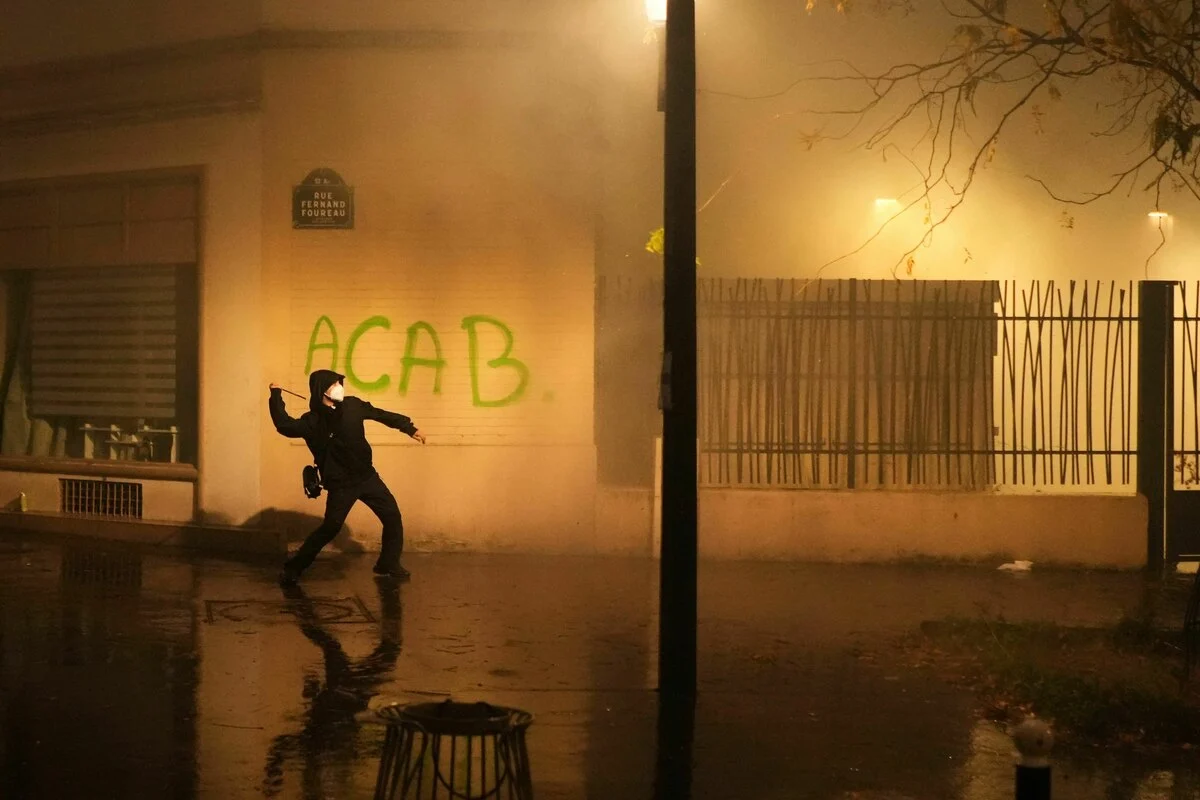
In the days preceding this attack, major urban centers saw significant clashes between protesters and law enforcement. The scale of the unrest led to the looting of thousands of businesses, the torching of municipal buildings, and attacks on local police stations. In response, several cities were forced to implement nighttime curfews to maintain public order.
Security analysts are now debating the potential for this attack to act as a catalyst for further instability. While there is no immediate evidence linking the shooter to the broader anti-government protest movement, the timing of the violence—at a moment when the state’s security forces are already stretched thin—has created a climate of heightened anxiety.

The threat of "copycat" attacks or the potential for radicalized individuals to exploit existing social fractures remains a primary concern for the French intelligence services. As the country prepares for further nationwide demonstrations, the government faces the dual challenge of managing the fallout from the shooting while attempting to de-escalate the broader socio-economic unrest.
Implications for the French Justice System
The decision by the anti-terror prosecutor to label this a "terrorist association" offense carries significant legal weight. Under French law, this designation allows for extended detention periods and specialized surveillance measures during the investigative phase.
The focus on the "possession of a Category A weapon" is also significant. The use of military-grade firearms in civilian settings suggests a level of premeditation that moves the case beyond a crime of passion. Investigators are currently tracing the provenance of the weapon, a critical step in determining whether the perpetrator acted as a "lone wolf" or was supported by a wider network of extremist actors.
As the investigation continues, the focus will remain on the suspect’s background, his online presence, and any potential links to ideological or extremist groups. The French public, meanwhile, remains on edge. The shooting is not merely a tragedy for the families involved; it is a direct challenge to the state’s ability to ensure public safety in an increasingly polarized society.
For the residents of Trappes and La Verrière, the focus in the coming days will be on healing. For the French government, the challenge is to restore a sense of normalcy and security to a nation that has been forced to confront the dark reality of terrorism once again on its own streets.
The investigation is ongoing, and the nation waits for answers regarding the full scope of the perpetrator’s intentions and the potential for any wider threat. For now, the heavy presence of police in the suburbs of Paris serves as a reminder of the fragility of peace in a country currently navigating its most difficult social and security crisis in recent years.